
Langur (Semnopithecus and related leaf monkeys)
Langurs are Old World leaf-eating monkeys of the subfamily Colobinae, known for long tails, folivorous diets, tree-dwelling habits and cultural significance across South and Southeast Asia.
The term "langur" commonly refers to several species of Old World monkeys in the subfamily Colobinae, notably those in the genus Semnopithecus. Often called gray or Hanuman langurs, these primates are adapted to a largely folivorous lifestyle and are familiar sights in many parts of South and Southeast Asia. Their long tails, slender bodies and contrasting facial coloration distinguish them from other monkey groups.
Image gallery
10 Images



Appearance and anatomy
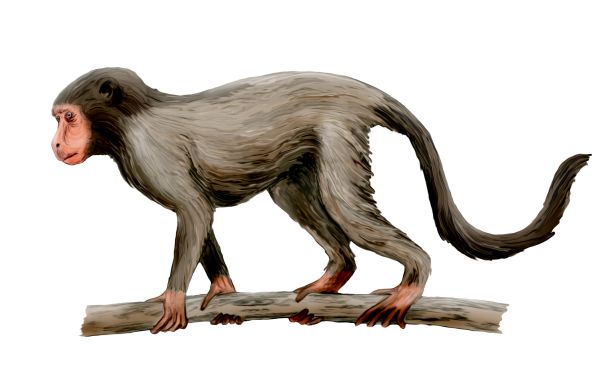
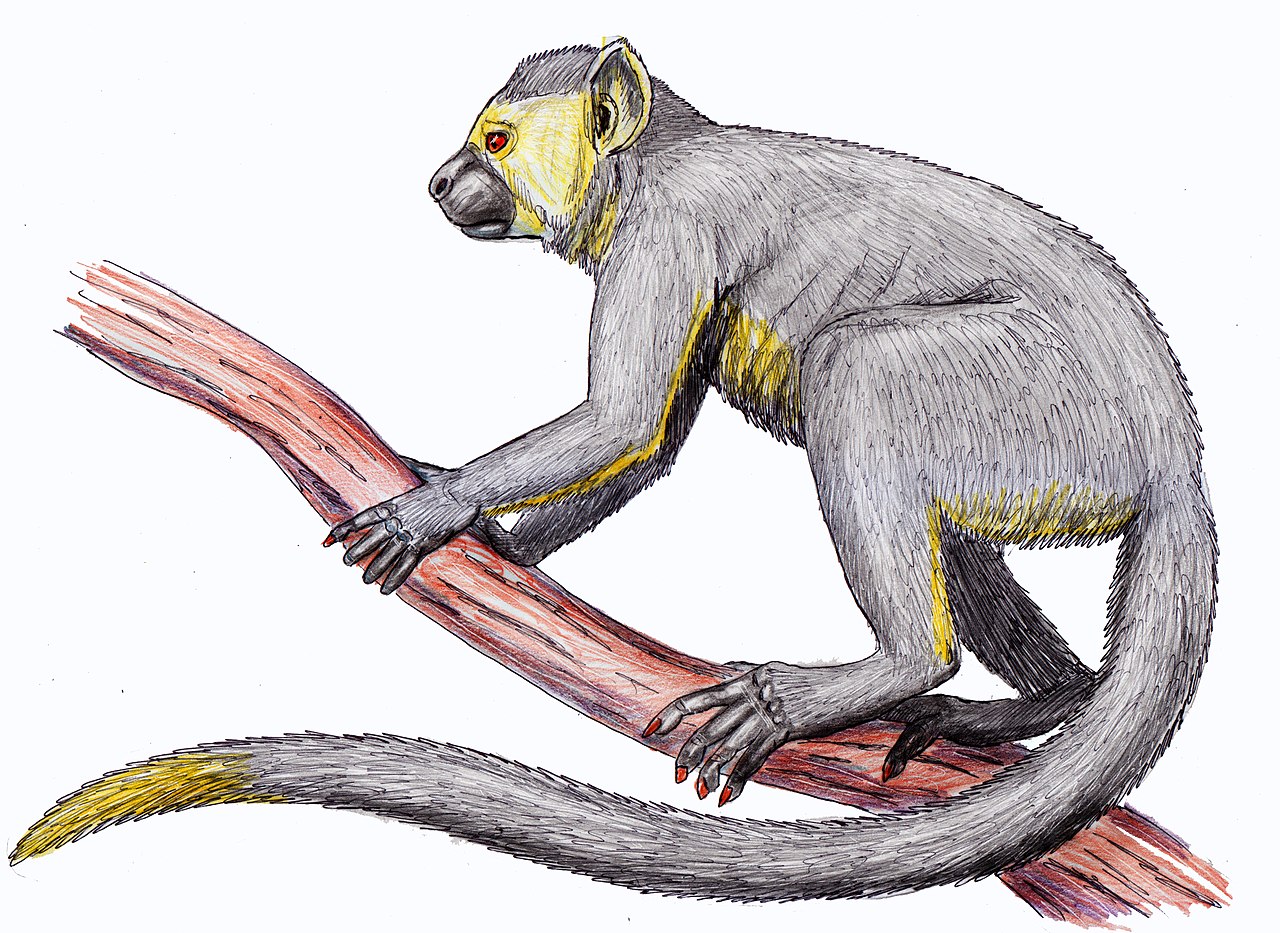
Langurs typically have a slender frame, long limbs for arboreal movement and a long tail that aids balance. Many species show pale or grayish fur with darker faces and hands; however, coloration varies among species and age classes. Specialized stomachs with enlarged chambers allow them to ferment and digest leaves, a trait shared with other colobine monkeys.
Behavior, diet and social life
Langurs spend much time in trees but also come to the ground to travel or forage. Their diet is dominated by leaves and other fibrous plant material, supplemented by fruits, flowers and occasional insects. Social organization ranges from one-male groups with several females to more complex multi-male, multi-female troops; group sizes commonly fall between 2 and 30 individuals depending on species and habitat.
- Diet: primarily leaves, plus fruit and flowers (feeding behavior).
- Locomotion: arboreal leaping and cautious ground travel (movement).
- Communication: vocal calls, facial expressions and scent marking (social signals).
Reproductive patterns vary; females typically give birth to a single infant after a gestation period, and juvenile mortality, dispersal and male takeover events influence group dynamics.
Distribution, habitat and conservation
Langurs occur across India, Pakistan, Nepal, Sri Lanka, Bangladesh and parts of Southeast Asia in habitats from dry scrub and open woodland to urban parks and temple groves. Some populations are thriving and habituated to humans, while others face threats from habitat loss, hunting and road mortality. Conservation status differs by species; several are listed as vulnerable or near threatened on global assessments (population studies). Conservation measures include habitat protection, conflict mitigation and research on ecology and genetics (conservation).
Langurs also hold cultural and religious importance in parts of Asia—some communities treat them as sacred, which can both protect and complicate their management. For more detailed taxonomic and regional information, consult resources on the genus Semnopithecus, colobine ecology (leaf monkey ecology) and regional field guides (range accounts and species summaries).
Related articles
Author
AlegsaOnline.com Langur (Semnopithecus and related leaf monkeys) Leandro Alegsa
URL: https://en.alegsaonline.com/art/55928
Sources
- bucknell.edu : Mammal Species of the World