
Lamprey: jawless fishes with a suctioning mouth and ancient lineage
Lampreys are jawless, eel-like vertebrates with toothed, funnel-shaped mouths. Found in temperate coastal and freshwater systems, they have distinctive larvae, varied life histories, and important ecological and human impacts.
Overview — Lampreys are eel-shaped, jawless fishes in the order Petromyzontiformes known for their circular, toothed, funnel-like mouth. Adults are found in coastal and inland waters across temperate regions. Some species migrate between sea and rivers, while others spend their whole lives in freshwater. For a general introduction see Lamprey.
Image gallery
7 Images


Physical characteristics
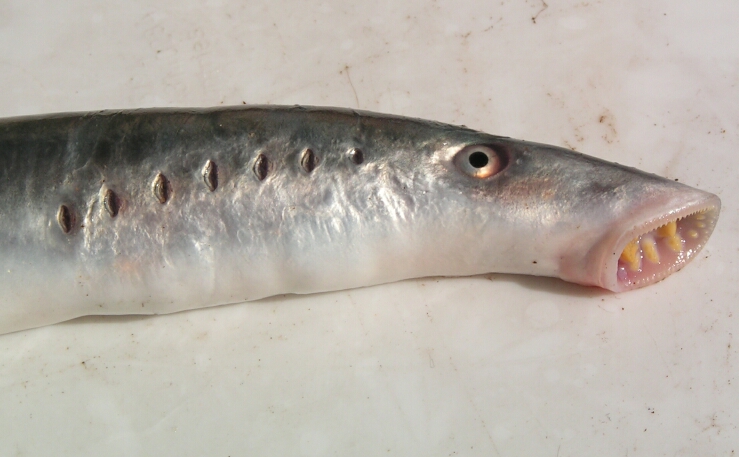
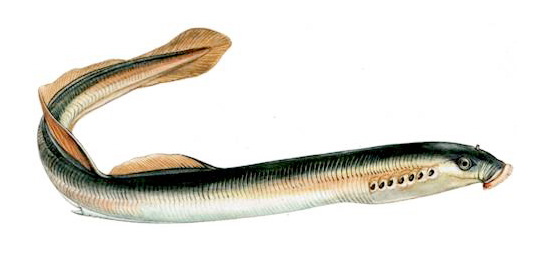
Lampreys lack true jaws and paired fins; instead they have a cartilaginous skeleton, a notochord in adults, and a series of gill openings along the sides of the head. The oral disc is lined with keratinized teeth that allow many species to attach to other fish. Body shape is elongated and scaleless, often resembling eels in profile.
Life cycle and behavior
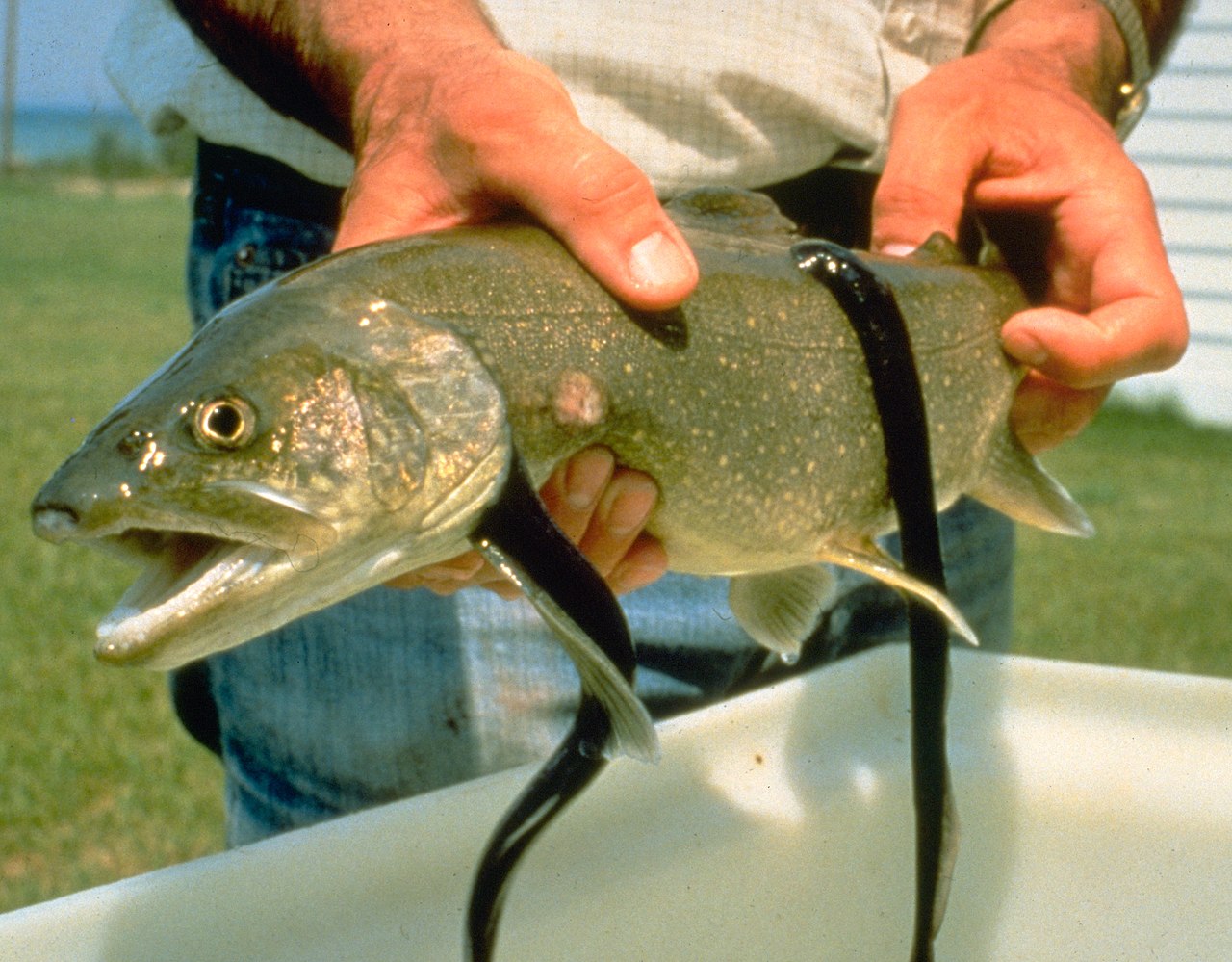
Most lampreys begin life as blind, wormlike larvae called ammocoetes that live buried in sediment and filter organic particles. After a prolonged larval stage they metamorphose into adults. Adult lifestyles vary: some are parasitic, feeding on the blood and tissues of other fishes by rasping with their tooth-lined mouths; others are non-parasitic and do not feed as adults, instead using stored energy to reproduce and die soon after spawning.
Evolution and classification
Lampreys belong to the cyclostomes, the jawless vertebrates that also include hagfishes. They represent an ancient vertebrate lineage important to studies of vertebrate origins and the early evolution of skeletal and neural structures. There are roughly a few dozen species worldwide, grouped by shared anatomical and genetic traits.
Ecological role and human interactions
Ecologically, lampreys can act as predators, parasites, scavengers, and nutrient recyclers in stream and coastal ecosystems. They are culturally and commercially significant in some regions as food and traditional resources. Conversely, when introduced outside their native range, species such as the sea lamprey have had major negative impacts on fisheries, prompting development of control measures including barriers, traps, and targeted larvicides.
Conservation and notable distinctions
- Some native lamprey populations are of conservation concern because of habitat loss, barriers to migration, and water quality decline.
- They are distinct from hagfishes: both are jawless, but hagfishes have different physiology and taxonomy.
- Lampreys remain a focus of scientific research because of their primitive features and varied life histories.
Related articles
Author
AlegsaOnline.com Lamprey: jawless fishes with a suctioning mouth and ancient lineage Leandro Alegsa
URL: https://en.alegsaonline.com/art/55727