
Incisor: structure, function, and variation in mammals
Front teeth adapted for cutting and nipping. Overview of incisor anatomy, roles across species, development, common variations and clinical relevance.
Overview
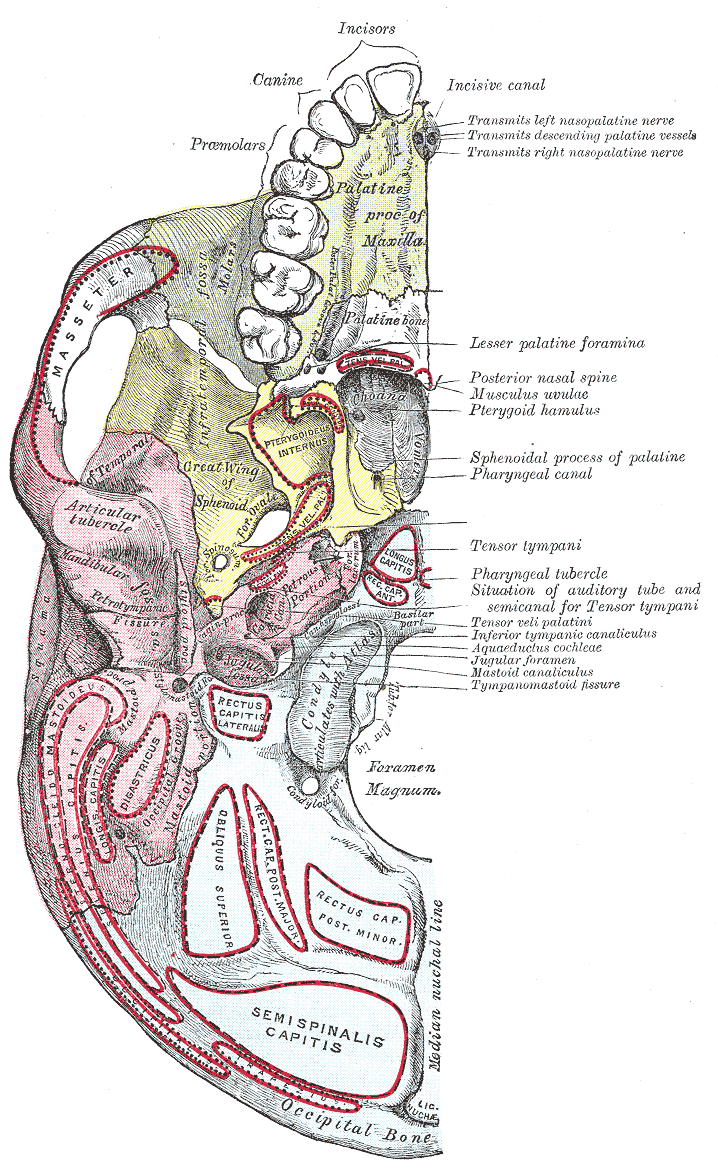
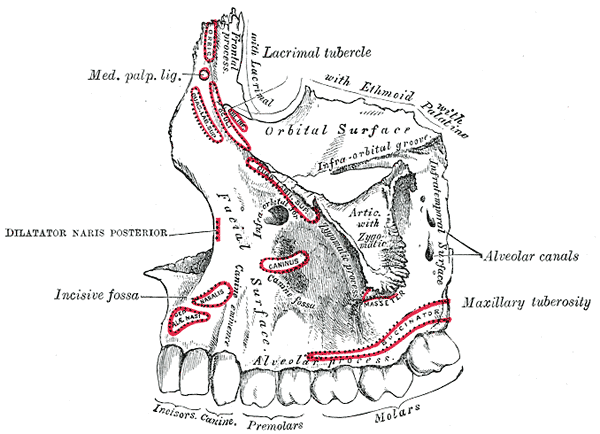
Incisors are the front-most teeth in many mammals, specialized for cutting and nipping food. In humans and other heterodont mammals they form a set of narrow, chisel-shaped crowns with a sharp biting edge. Human adults normally have eight incisors: four in the upper and four in the lower jaw. The pair in the very center of each jaw are known as the central incisors, while the teeth immediately beside them are the lateral incisors. Incisors are distinct from the more pointed canines that flank them.
Image gallery
10 Images






Structure and development
Each incisor has a visible crown covered in enamel, a neck at the gum line and one or more roots anchoring it in the bone. The biting surface is relatively thin and straight, designed to shear or cut. Mammals develop two successive sets of teeth: deciduous (primary) incisors that appear in infancy and permanent incisors that replace them during childhood. Some taxa show specialized modifications: rodents and lagomorphs have continuously growing incisors adapted to gnawing, while other species have reduced or absent incisors in one jaw.
Variation across diets and species
Incisors vary considerably with diet. Many herbivores use wide, strong incisors to clip vegetation before it is ground by the molars. In omnivores like humans, incisors contribute to an adaptable front bite for both plant and animal foods. In contrast, true carnivores often have small incisors relative to their canines; felids, for example, possess small incisors but large canines for seizing prey — as seen in domestic cats. Carnivores use incisors for precise tasks, such as grooming or delicate manipulation.
Functions and examples
Primary roles of incisors include biting off pieces of food, grooming, social displays and, in some species, carrying objects. For instance, small carnivores may use incisors to pick off parasites like fleas or to carry their young. Some animals use incisors with additional behaviors: birds are not relevant here, but mammals such as raccoons and primates use incisors when peeling or handling items like fish. When a carnivore needs to shear or slice tougher material it commonly relies on the back teeth functioning like scissors.
Clinical and evolutionary notes
Human incisors are important for nutrition, speech and facial appearance, so injuries, congenital absence (agenesis), crowding or wear are common concerns managed by restorative dentistry and orthodontics. Evolutionarily, incisors illustrate how mammalian dentition diversified into roles such as cutting, tearing and grinding — a key innovation for the varied diets mammals occupy. Differences in incisor number, shape and growth pattern are useful characters in comparative anatomy and paleontology.
Key distinctions
- Location: incisors occupy the foremost position between the canines.
- Shape: chisel-like crowns with thin cutting edges versus pointed canines or broad molars.
- Function: primarily cutting and nipping; secondary roles include grooming, holding and display.
- Variation: from continuously growing incisor teeth in gnawers to reduced incisors in some predators.
For further general information see introductory texts on mammalian dentition and dental anatomy, or consult specialized sources for veterinary and human dental care (incisors general reference).
Questions and answers
Q: What are incisors?
A: Incisors are a type of teeth found in some mammals, including humans. They are flat teeth with straight edges located at the front of a person's mouth and used for biting.
Q: How many incisors does a human have?
A: A human has eight incisors, with two located at the middle of each jaw called "central incisors," and the rest called "lateral incisors" situated at the sides.
Q: What are the straight edges of incisors useful for?
A: The straight edges of incisors are useful for biting as they cut sharply and can be used like a pair of pincers.
Q: What kind of diet do herbivores have?
A: Herbivores have a plant-based diet, which means their front teeth are used to cut off stems of grass and other plants to be ground up by their molars.
Q: Do omnivores like humans have incisors like herbivores?
A: Yes, omnivores like humans have incisors like herbivores and use them for fine control jobs such as biting or peeling the skin off a fish.
Q: How are carnivore's incisors different from herbivores and omnivores?
A: In carnivores such as cats, the incisors are often quite small, and they use their long canine teeth for grasping and stabbing.
Q: Do carnivores use their incisors to cut things?
A: No, carnivores typically use their back teeth like scissors when they need to cut something with their teeth. Incisors are primarily used for fine control jobs like catching fleas or carrying their offspring.
Related articles
Author
AlegsaOnline.com Incisor: structure, function, and variation in mammals Leandro Alegsa
URL: https://en.alegsaonline.com/art/47010