
La Silla Observatory — ESO astronomical site in Chile
La Silla Observatory is a major southern-hemisphere astronomical facility in Chile operated by ESO, hosting many telescopes and instruments that have advanced stellar, planetary and cosmological research.
Overview
La Silla Observatory is an astronomical observing site in northern Chile operated by the European Southern Observatory (ESO). Situated on a mountain plateau at roughly 2,400 metres elevation, La Silla hosts a collection of optical and infrared telescopes that have supported decades of professional astronomy. The site is valued for its dark skies, low humidity and stable atmospheric conditions, all of which benefit high-precision measurements.
Image gallery
10 Images


Location and environment
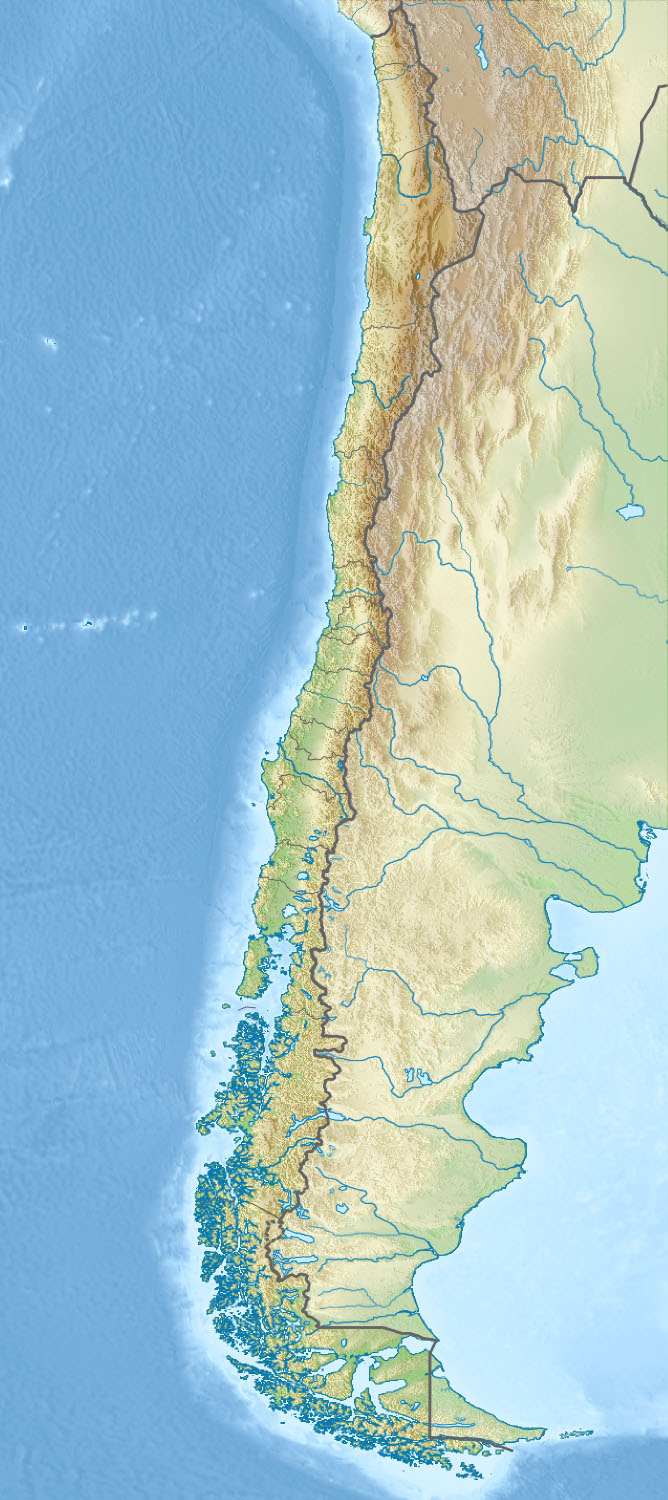
La Silla lies in the far southern part of the Atacama Desert, a region noted for exceptional observing conditions. It sits about 160 kilometres north of La Serena, roughly 100 kilometres north of the Cerro Tololo complex and approximately 27 kilometres south of the Las Campanas Observatory. These relationships place La Silla within a network of observatories that together form one of the most important astronomical regions in the Southern Hemisphere. For regional context see Chile and the Atacama Desert.
Telescopes and key instruments
The site accommodates many telescopes of various sizes — historically more than a dozen medium and small apertures plus several large instruments. Notable facilities include ESO's 3.6-metre-class telescope and the New Technology Telescope, which introduced several engineering advances. A number of dedicated instruments have operated from La Silla, including high-precision spectrographs used in searches for extrasolar planets.
- Survey and follow-up telescopes for stellar and extragalactic work
- High-stability spectrographs used for radial-velocity planet searches
- Imaging instruments for time-domain and variable-star studies
History and development
La Silla was among the first large observatories established by ESO and was developed in the mid-20th century as astronomy expanded into the Southern Hemisphere. Over the years the facility grew to host many national and institutional telescopes and instruments. Technological upgrades and new spectrographs kept it scientifically productive even as larger sites were developed in Chile's higher deserts.
Scientific importance and achievements
Research at La Silla has contributed to a wide range of topics: stellar evolution, supernova searches, the structure of our Galaxy, and the discovery and characterization of exoplanets. Instruments located at La Silla have played a prominent role in high-precision radial-velocity programs and long-term monitoring projects that rely on stable sites and well-calibrated hardware.
Visiting, access and regional context
Although La Silla is a professional research facility, it is sometimes accessible to the public through organized visits and outreach programs coordinated by ESO and partner institutions. The observatory's position relative to nearby projects — for example Las Campanas Observatory and local mountain terrain — illustrates the clustered nature of astronomical facilities in the region. For details about instruments and telescopes, see a general listing of site resources at telescopes and instruments and additional regional references at Atacama resources.
Related articles
Author
AlegsaOnline.com La Silla Observatory — ESO astronomical site in Chile Leandro Alegsa
URL: https://en.alegsaonline.com/art/55121