
Las Campanas Observatory
High-altitude astronomical observatory in Chile's Atacama, operated by the Carnegie Institution; home to multiple optical telescopes and known for the discovery of Supernova 1987A.
Overview
Las Campanas Observatory is a major astronomical site located in the southern Atacama Desert of Chile and operated by the Carnegie Institution for Science. Established to provide access to the clear, dry skies of the Southern Hemisphere, the facility sits at roughly 2,400 m above sea level and lies about 100 km northeast of La Serena, where the observatory's administrative offices are based. Its location offers dark skies and stable atmospheric seeing that are well suited to optical and near-infrared astronomy.
Image gallery
10 Images

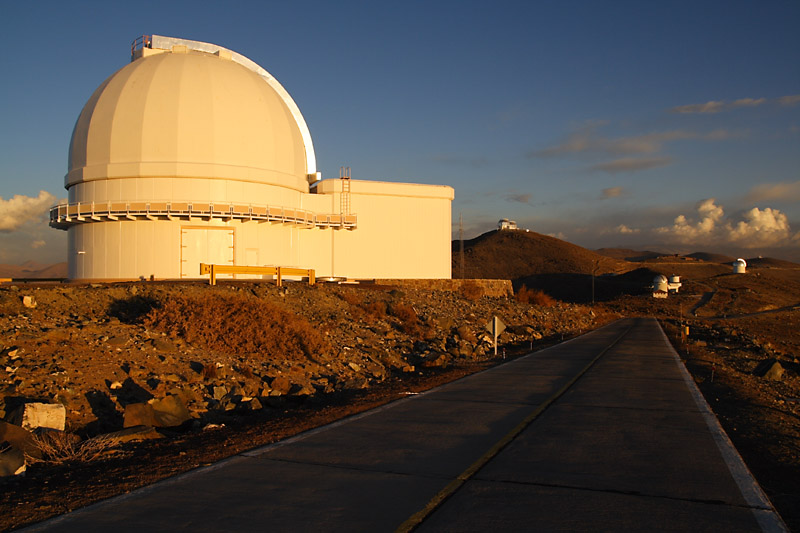


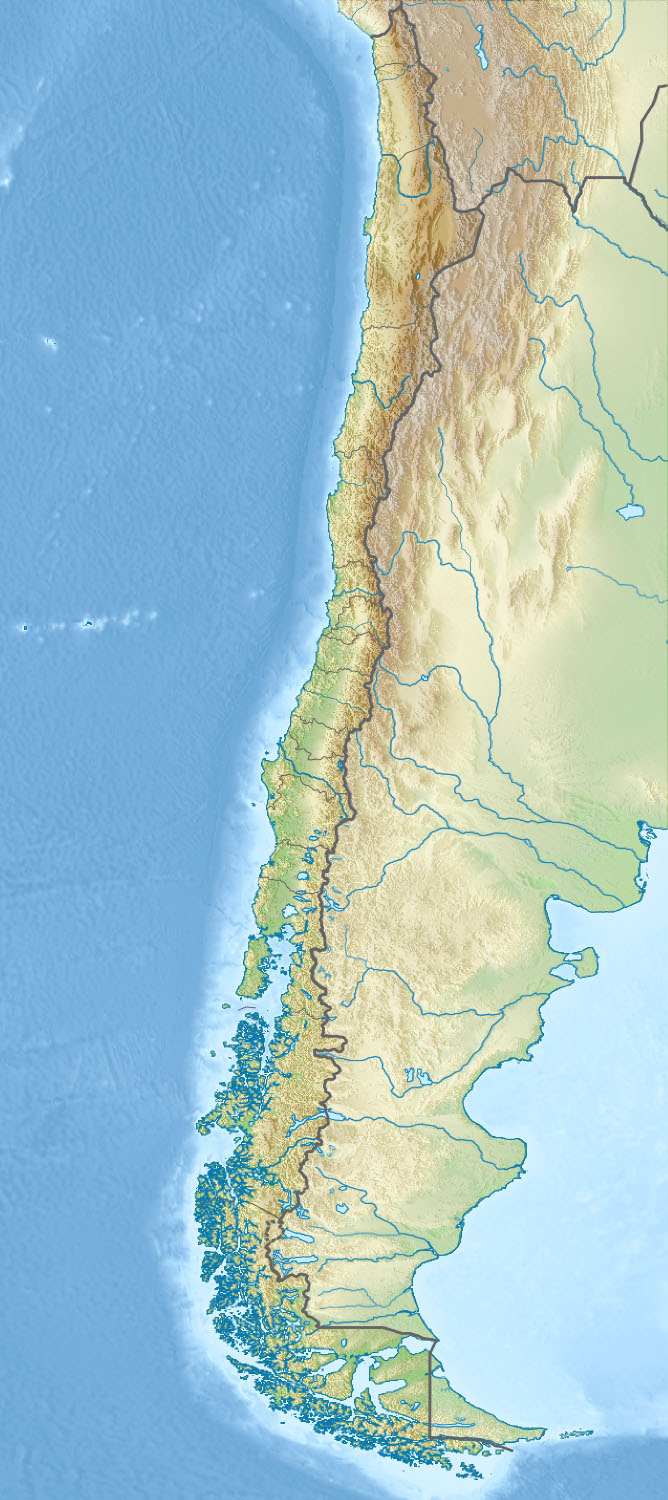
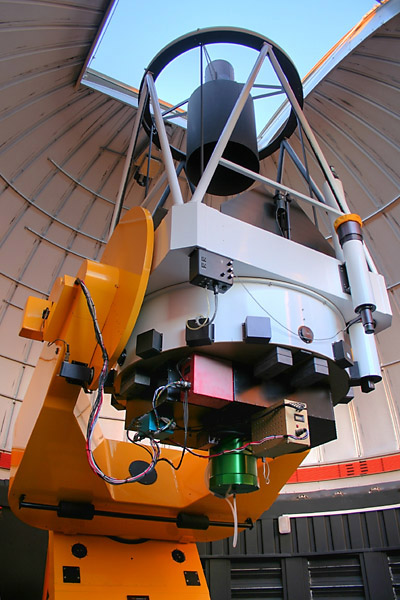


Facilities and instruments
The observatory hosts a mix of telescopes used for imaging, spectroscopy and time-domain science. Key instruments at the site include medium- and large-aperture optical telescopes that serve both Carnegie-led programs and international collaborations. Typical instruments found there are high-resolution spectrographs, wide-field imagers and adaptive systems that enable detailed studies of stars, galaxies, and transient events.
History and development
Las Campanas was developed beginning in the late 1960s as the primary observing station for the Carnegie Institution. Over subsequent decades the site expanded to accommodate newer, larger telescopes and modern instrumentation. The addition of dedicated large telescopes at the site enhanced its capacity for deep imaging and precise spectroscopy, attracting research projects in stellar astrophysics, extragalactic surveys and transient-object follow-up.
Scientific importance and notable results
Its southern latitude gives Las Campanas excellent access to the Magellanic Clouds, the central regions of the Milky Way, and large portions of the southern extragalactic sky. The observatory has supported a wide range of research from stellar composition and galactic dynamics to cosmology and exoplanet studies. A widely known event linked with Las Campanas is the first ground-based sighting of Supernova 1987A on 24 February 1987 by Ian Shelton and Oscar Duhalde, which became a landmark in observational supernova science.
Access, partnerships and operations
Operations are led by the Carnegie Institution with collaborations and visiting observers from universities and research centers worldwide. The site is reached from La Serena, where logistical support and scientific coordination are centered. Because of its remote, high-altitude setting, Las Campanas combines controlled access with operational facilities that support year-round observing campaigns.
Further information
- General observatory overview
- Site description and location
- Regional context: Atacama Desert
- Carnegie Institution for Science
- La Serena headquarters
- Distance and access information
- Practical travel notes
- Altitude and site conditions
- Elevation details
- Atmospheric and seeing conditions
- Supernova 1987A reference
Questions and answers
Q: What is Las Campanas Observatory?
A: Las Campanas Observatory is an astronomical observatory located in the southern Atacama desert in Chile.
Q: Who owns and operates the Las Campanas Observatory?
A: The Carnegie Institution for Science owns and operates the Las Campanas Observatory.
Q: When was the Las Campanas Observatory built?
A: The Las Campanas Observatory was built in 1969.
Q: What was the purpose of building the Las Campanas Observatory?
A: The Las Campanas Observatory was built as the main observing site for the Carnegie Institution for Science.
Q: Where is the headquarters of the Las Campanas Observatory located?
A: The headquarters of the Las Campanas Observatory is located in La Serena, Chile.
Q: What is the altitude of the Las Campanas Observatory?
A: The Las Campanas Observatory is at an altitude of 2,400 m (7,874 ft) above sea level.
Q: What significant event happened at the Las Campanas Observatory on February 24, 1987?
A: Ian Shelton and Oscar Duhalde first saw the Supernova 1987A (SN 1987A) at the Las Campanas Observatory on February 24, 1987.
Related articles
Author
AlegsaOnline.com Las Campanas Observatory Leandro Alegsa
URL: https://en.alegsaonline.com/art/56101
Sources
- ociw.edu : ociw.edu
- newscientist.com : "Universe's most powerful blast visible to the naked eye - space - 21 March 2008 - New Scientist"
- tools.wmflabs.org : 29°00′54″S 70°41′32″W / 29.01500°S 70.69222°W / -29.01500; -70.69222