
Abugida (alphasyllabary)
An abugida is a segmental writing system where consonant signs carry an inherent vowel; vowels are written with secondary marks or modifications. Overview, structure, history, examples, and distinctions.
An abugida is a class of writing system that represents syllables through consonant letters that carry an inherent vowel. In these systems the basic graphic unit combines a consonant and a vowel into a single written cluster: consonants are primary and vowels are expressed by modifying forms or by diacritic marks rather than by independent letters alone. For a general definition see writing system discussions that contrast abugidas with related categories.
Image gallery
3 Images
Key characteristics
Abugidas occupy a middle ground between alphabets and syllabaries. Unlike an alphabet, where consonants and vowels have equal status, an abugida treats the consonant as the base sign and the vowel as secondary; unlike an abjad, whose vowels are often omitted or optional, abugidas explicitly record vowels, usually by altering the consonant sign. For a conceptual contrast, compare descriptions of alphabetic and syllabic approaches and of abjad systems.
Typical features include: an inherent vowel value associated with each consonant; a system of vowel signs or diacritics to change, add or suppress that vowel; and a set of conventions for writing vowels that appear at the start of a syllable. Consonants and vowel marks are combined into a single orthographic unit rather than treated as completely independent letters. See explanatory notes on consonants, vowels and diacritics for terminology.
How vowels are written
Vowel notation in abugidas is flexible: a vowel sign may be attached after, before, above or below the consonant symbol, yet the spoken order remains unchanged. For example, a consonant such as the Thai letter ก can be combined with different vowel marks that are placed to the left, right, top or bottom of the base sign while retaining the same phonological sequence; this behavior is typical of scripts like Thai. When a syllable begins with a vowel, many abugidas provide an independent vowel sign or use a null consonant symbol to carry the vowel mark.
History and geographic spread
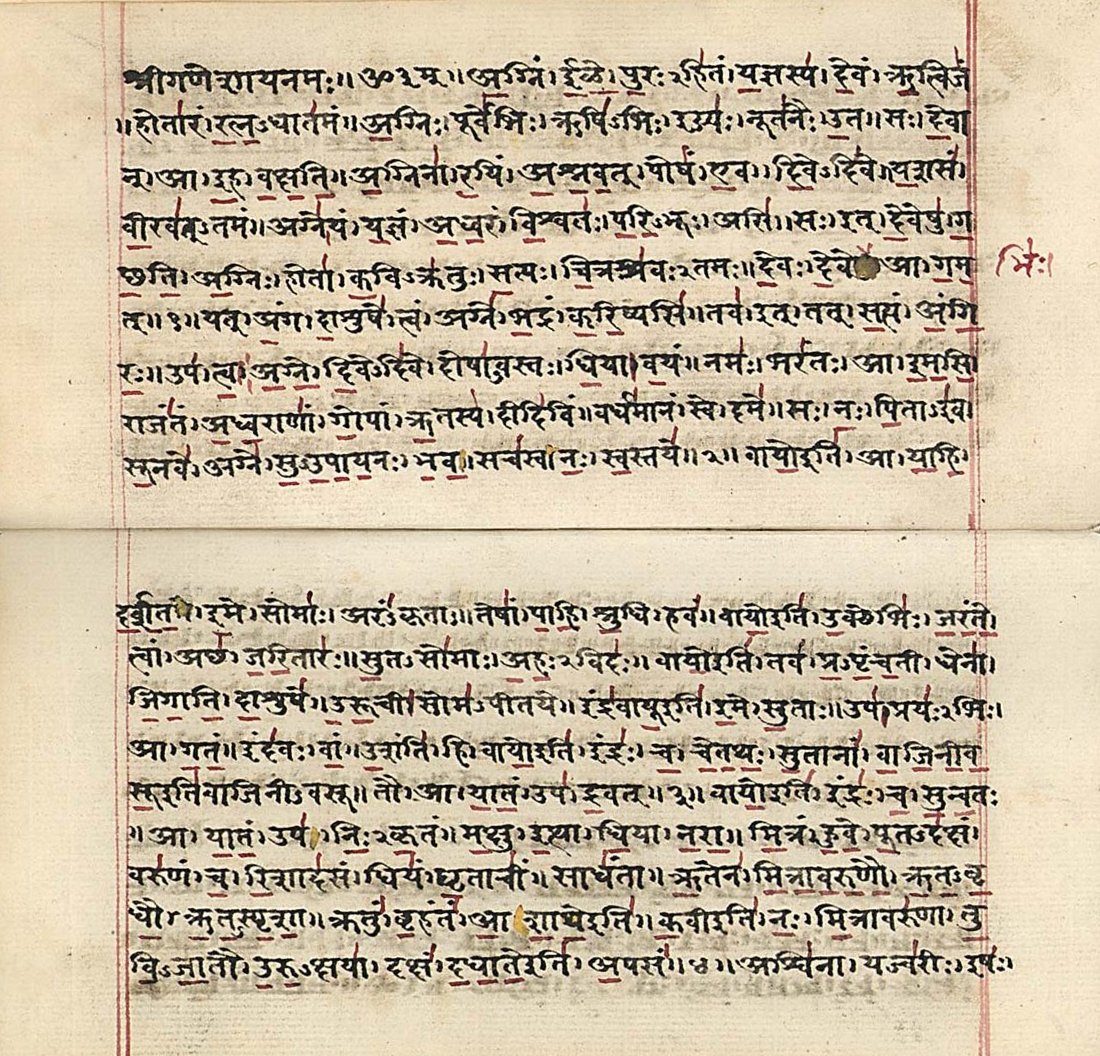
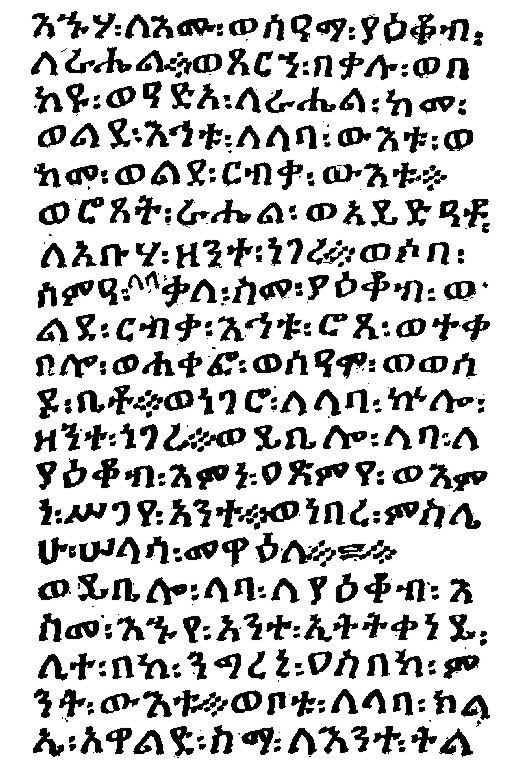
The oldest widely recognized abugida is the ancient Brahmi script of South Asia, which provided the model for many later alphasyllabaries. Brahmi-derived systems evolved into multiple regional scripts used across the Indian subcontinent and into Southeast Asia; prominent descendants include Devanagari, Khmer and Thai. The spread of these scripts often accompanied cultural and religious exchange—especially the transmission of Buddhism and Hinduism—into Southeast Asia. Another independent tradition is the Ge'ez or Ethiopic alphasyllabary, from which the term "abugida" is derived; see Ethiopic.
Examples, uses, and modern status
- Classical and modern South Asian scripts: Devanagari and related regional scripts are used for many languages of India and Nepal.
- Mainland Southeast Asia: scripts such as Khmer and Thai display complex vowel placement rules.
- Horn of Africa: the Ge'ez-derived system functions as an alphasyllabary for languages such as Amharic; background on Ge'ez can be found via Ethiopic sources.
- Other traditions: certain Canadian syllabics share some typological features, and specialized systems such as some forms of shorthand also use vowel diacritics (shorthand examples).
Abugidas remain important for literacy and cultural continuity where they are used, and they often require specialized typographic and digital support because vowel signs can combine visually with base consonants in complex ways.
Terminology, distinctions and notable facts
The label "abugida" comes from the ordering of the Ge'ez letters corresponding to abugida-like syllables; scholars sometimes prefer the term "alphasyllabary". While the defining trait is the consonant-centered unit with an inherent vowel, scripts exist along a continuum: some alphabets show syllabic tendencies, some abjads employ vowel indication, and some syllabaries have alphabet-like behavior. For further contextual reading, see entries on the Brahmi origin, the cultural channels of transmission such as religious influence, and regional overviews for the Southeast Asian and South Asian traditions.
Researchers and language technologists studying abugidas consider phonology, historical development and typographic constraints together. For comparative study, consult resources on scripts, alphabetic systems and the range of forms summarized in typological surveys; see related introductions to writing systems, alphabets and abjads for broader context.
Tags
Related articles
Author
AlegsaOnline.com Abugida (alphasyllabary) Leandro Alegsa
URL: https://en.alegsaonline.com/art/549