
Shorthand (Stenography): systems, history, and modern uses
Shorthand, or stenography, is a rapid writing method using symbols or abbreviations. This article explains techniques, major systems, historical development, and contemporary applications such as court reporting.
Overview
Shorthand, also called stenography, is a set of writing techniques designed to record speech and ideas far more quickly than ordinary longhand. By replacing common words, sounds, or phrases with simple signs, loops, strokes or brief letter combinations, shorthand lets a writer keep pace with spoken language for the purposes of note-taking, transcription or record-keeping.
Image gallery
8 Images


Characteristics and techniques
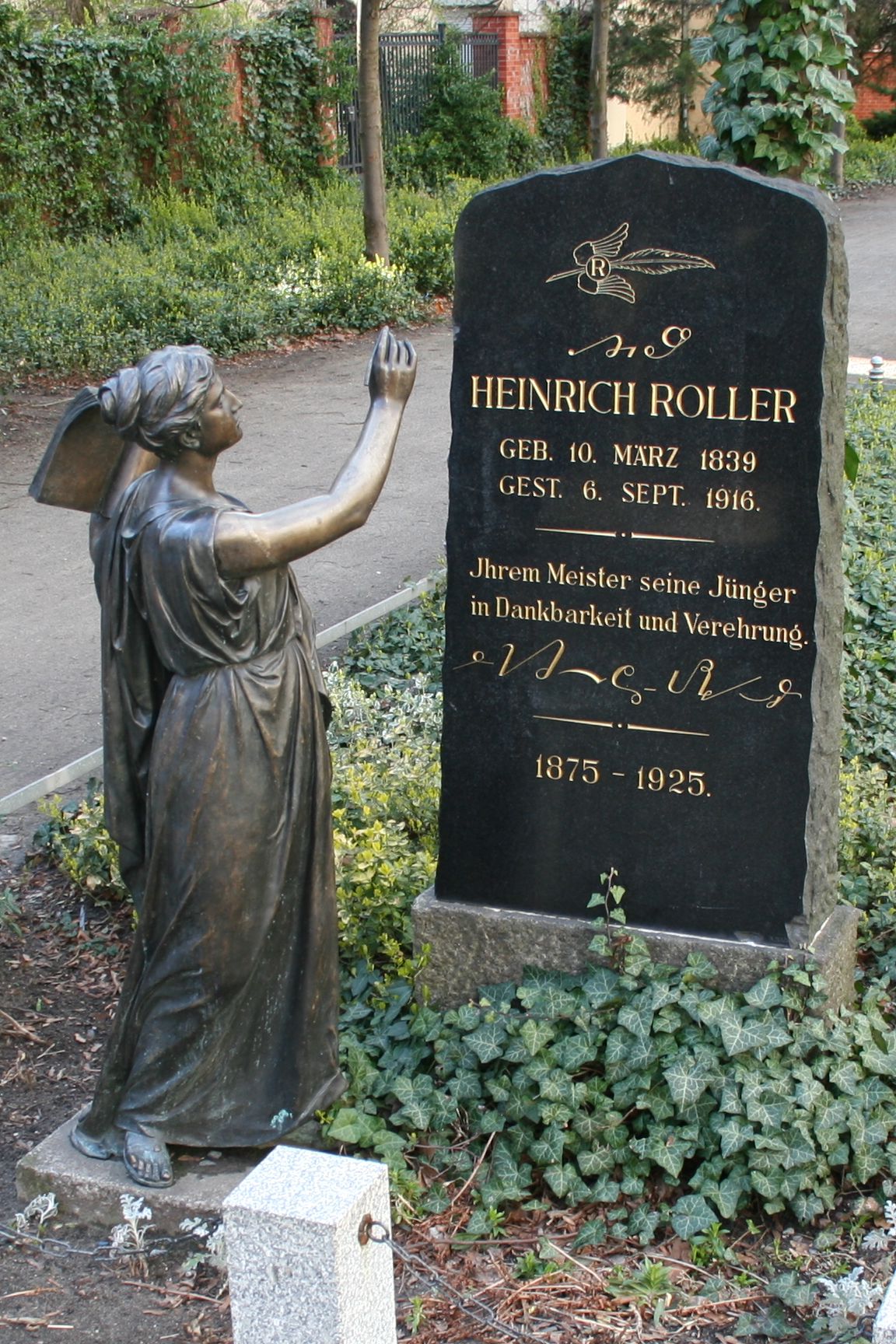
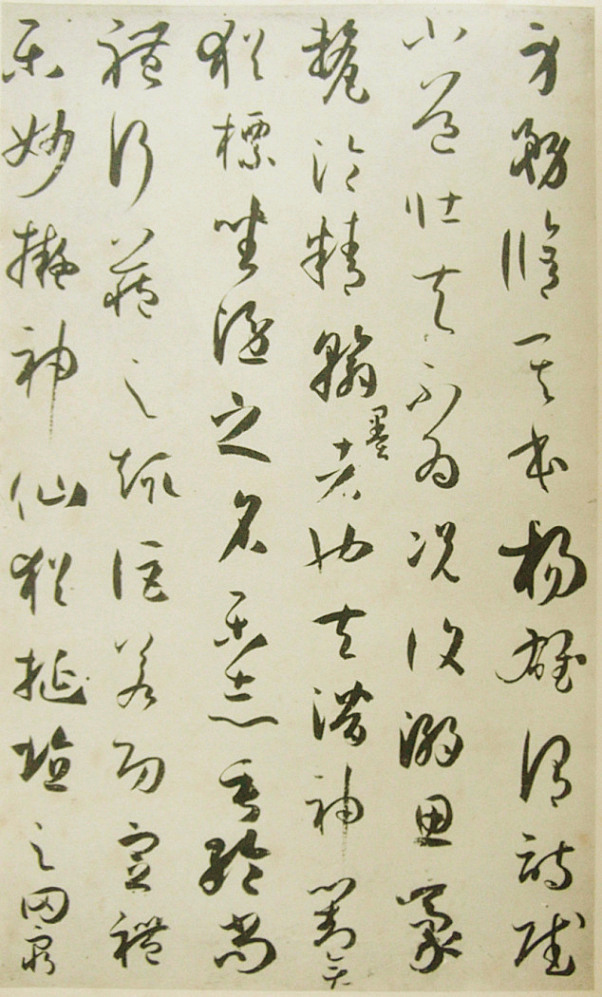
Shorthand systems differ in approach but share goals of speed and compactness. Some are phonetic, encoding sounds rather than spelling; others use abbreviated alphabets or brief pictographic signs. Techniques include pen shorthand drawn by hand and machine shorthand produced on a specialized stenotype keyboard. Many systems balance legibility, ease of learning and writing speed.
Common systems
Several shorthand families became widely taught and used in different regions. Typical examples include:
- Pitman — an older, stroke-based system influential in British Commonwealth countries.
- Gregg — a flowing, cursive shorthand popular in the United States.
- Teeline — a simplified, alphabetic system often taught to journalists.
- Tironian notes — an ancient shorthand tradition from classical antiquity that influenced later practice.
History and development
Shorthand has roots in antiquity and continued through medieval and modern times as bureaucracies, courts and the press required rapid written records. In the 19th and 20th centuries, formalized systems and training schools spread commercial shorthand as an office skill. The invention of stenotype machines and later audio and digital recording technologies changed how shorthand was used and taught, though it never disappeared entirely.
Contemporary uses and learning
Today shorthand remains important in specific fields. Court reporters and real-time captioners use machine stenography for verbatim transcription; journalists, secretaries and private individuals still apply hand shorthand for quick notes. While audio recording and speech-to-text systems have reduced reliance on manual shorthand, the technique retains advantages in speed, low-cost portability and privacy. Learning methods range from short courses to certification programs where applicable, and shorthand continues to be valued for both practical work and historical manuscript study.
Related articles
Author
AlegsaOnline.com Shorthand (Stenography): systems, history, and modern uses Leandro Alegsa
URL: https://en.alegsaonline.com/art/90006