
Indian religions (Indic traditions)
Religious traditions originating on the Indian subcontinent, including Hinduism, Buddhism, Jainism and Sikhism, sharing concepts like dharma, karma, samsara and diverse rituals, texts, and social roles.
Overview
Indian religions, often called Indic religions, are the religious traditions that developed on the Indian subcontinent and have shaped the spiritual, cultural and social life of South Asia and beyond. The label groups diverse systems whose teachings and practices overlap: many emphasize ideas such as dharma (duty, order), karma (action and consequence), samsara (cycle of rebirth) and moksha (liberation), yet they differ sharply in theology, ritual and social organization. The phrase Indian religions is a descriptive category for study rather than a single unified faith.
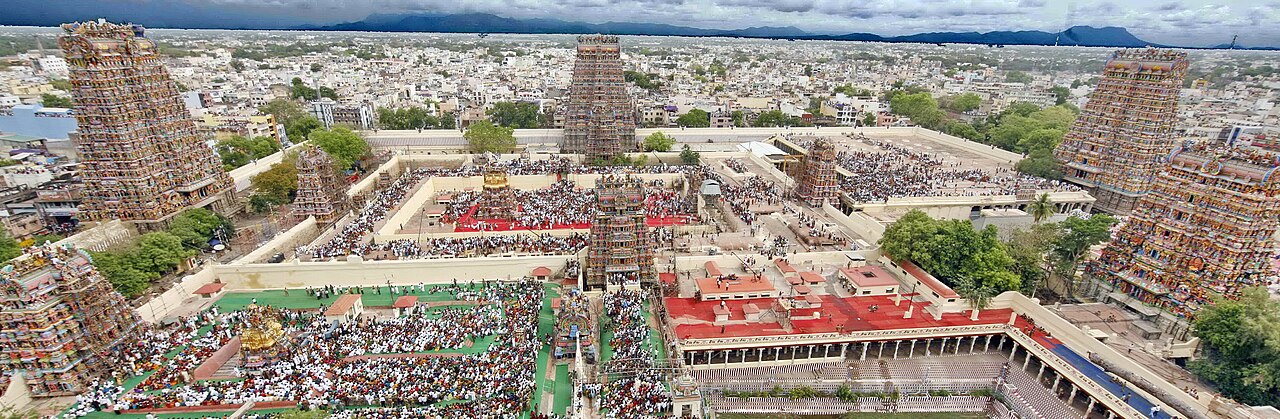
Image gallery
10 Images



Major traditions
The best-known members of this family include:
- Hinduism: a broad, pluralistic set of beliefs and practices rooted in the Vedic and classical traditions, encompassing many gods, philosophies and rituals.
- Buddhism: founded as a reform movement that emphasizes the Four Noble Truths, meditation and liberation from suffering; it includes diverse schools such as Theravada and Mahayana.
- Jainism: a path focused on nonviolence (ahimsa), strict ethical discipline and liberation through self-restraint and knowledge.
- Sikhism: a religion formed in the medieval period that centers on devotion to one God, community service and the teachings of the Gurus recorded in the Guru Granth Sahib.
Origins and historical development
These traditions emerged over many centuries. Elements trace to ancient Vedic religion, indigenous practices and philosophical inquiry recorded in early texts such as the Upanishads. Over time, schools of thought and new movements developed in interaction with each other and with regional cultures. From South Asia they spread to Southeast Asia, Central Asia and beyond, adapting to local languages and customs.
Core beliefs and practices
Common themes include ethical law and social duty, meditation and ritual, reverence for sacred texts, pilgrimage and festivals. Scripture and authority vary: some communities rely on a wide corpus of hymns, commentaries and epics; others emphasize the words of a founder or a canonical scripture. Practices range from temple worship and public rituals to asceticism and contemplative meditation.
Social and cultural significance
Indic religions have shaped art, law, languages and politics across Asia. They interact with social institutions such as family and community norms; for example, concepts of duty and purity have influenced social organization. At the same time, reform movements and modern interpretations continue to adapt ancient ideas to contemporary life.
Distinctions and notable facts
Although these religions share vocabulary and some concepts, they include theistic, monistic, polytheistic and non-theistic strands. Scholarship treats them as a related cluster rather than a single system, and practitioners often identify with a specific tradition rather than the umbrella term used in academic contexts.
Related articles
Author
AlegsaOnline.com Indian religions (Indic traditions) Leandro Alegsa
URL: https://en.alegsaonline.com/art/47123