
La Brea Tar Pits
Natural asphalt seeps in Hancock Park, Los Angeles, preserving Late Pleistocene plants and animals; a major paleontological site with an on‑site museum and ongoing research.
Overview
The La Brea Tar Pits, often called Rancho La Brea, are a group of natural asphalt seeps in Hancock Park in central Los Angeles. Sticky oil and asphalt have risen to the surface here for tens of thousands of years, creating pools that trapped animals and preserved organic material under anaerobic, tar-saturated conditions. The site provides one of the richest records of Late Pleistocene life in North America, with remains dating largely from about 40,000 to 8,000 years ago. Many complete and partial skeletons and isolated elements have been recovered and studied.
Image gallery
10 Images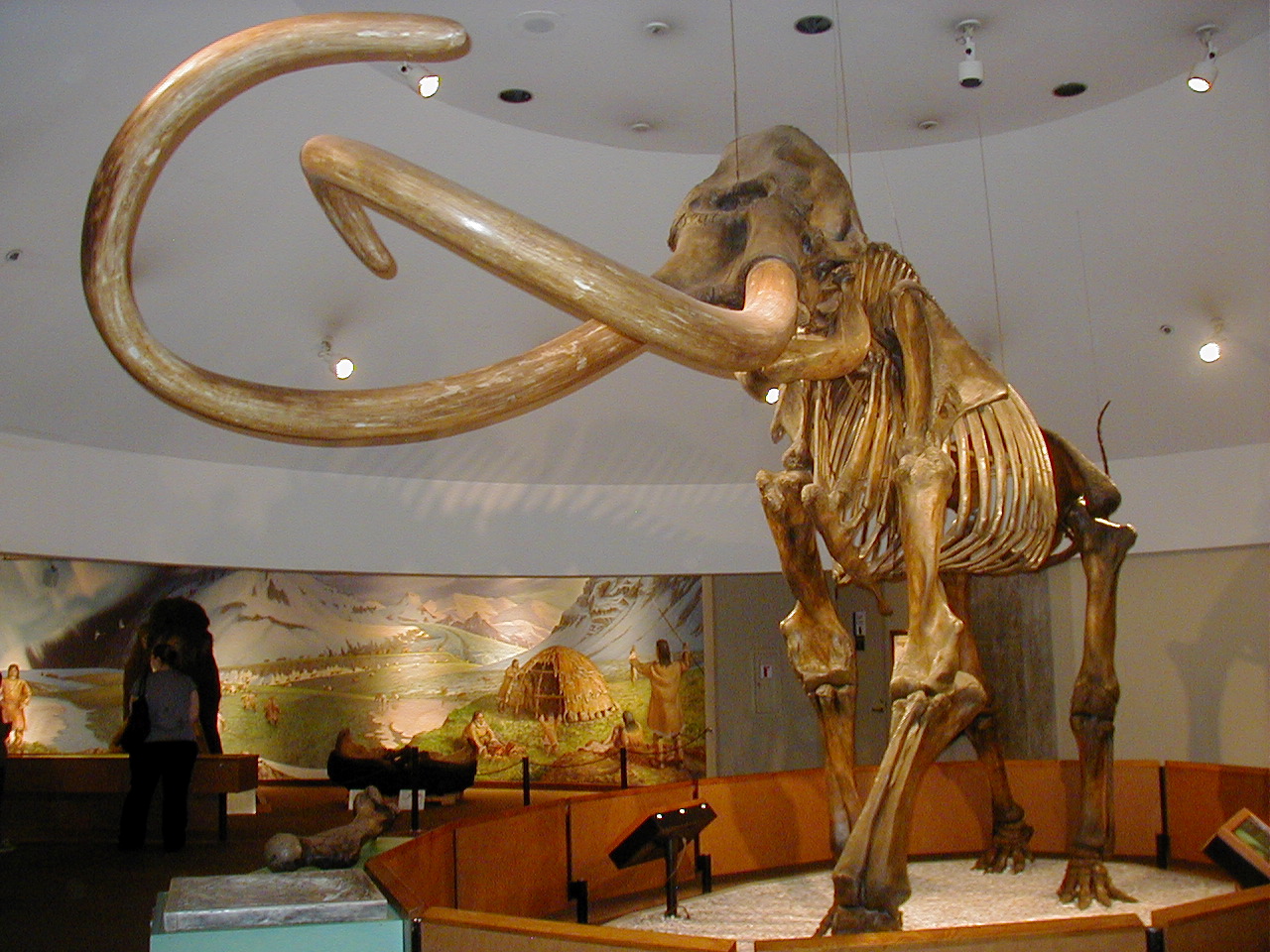


Location, name and history
Hancock Park was established around the visible seeps and is located in the urban core of Los Angeles. The Spanish word for tar, brea, gave the site its familiar name. The tar pits were known to local Indigenous peoples and later to settlers; over the last century organized excavations and curation have produced thousands of specimens and numerous scientific publications. The area is a protected public park and is designated as a National Natural Landmark.
Geology and formation
The seepage originates from subsurface petroleum that migrated toward the surface. As lighter fractions evaporate, the remaining hydrocarbons become viscous and form asphalt or tar. When these pools are covered by water they can resemble shallow ponds; animals that approached to drink or forage sometimes became mired and sank into the bitumen. Over time, bones and other organic remains became encased within the asphalt and were shielded from oxygen and most scavengers, promoting exceptional preservation and eventual fossilization of those materials as fossils.
Taphonomy and preservation processes
The tar creates an anoxic, chemically reducing environment that limits microbial decay and deters many decomposers. Fine sediments, plant debris and insect material can also be trapped, producing a record that includes not only large vertebrates but small mammals, birds, plants, pollen and invertebrates. The concentration of carnivore remains is notable: predators and scavengers attracted to struggling herbivores frequently became trapped themselves, resulting in assemblages that inform studies of predator-prey interactions.
Fossil record and notable species
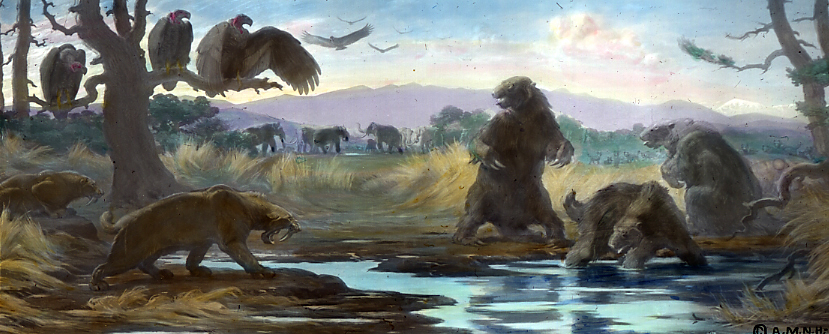
- Smilodon (saber-toothed cat)
- Dire wolves and other canids
- Mammoths, camels and ground sloths among large herbivores
- Numerous small mammals, birds, reptiles, insects, plant remains and pollen
Collections from La Brea document community composition, species abundance and morphological variation in Ice Age ecosystems. The site is particularly important for understanding North American megafauna that became extinct near the end of the Pleistocene.
Museum, research and public access
The on-site George C. Page Museum displays articulated skeletons, mounted specimens and rotating exhibits that interpret the scientific importance of the pits. Visitors can view ongoing excavations, watch fossil preparation in laboratory spaces, and learn about conservation techniques. The museum supports active research programs and collaborates with universities, laboratories and specialists worldwide.
Scientific methods and contributions
Work at La Brea has employed a range of modern analytical techniques, including radiocarbon dating, stable-isotope analysis and efforts to extract ancient DNA where preservation allows. Curated bones and associated materials continue to yield new data on diets, climate, migration and extinction processes. Studies based on La Brea material have contributed to broader debates about Pleistocene ecology, the effects of climate change and human interactions with megafauna.
Conservation, management and significance
As an urban paleontological site, La Brea faces unique management challenges related to excavation, display, conservation and public access. Professional curators maintain extensive collections, document provenance and apply conservation treatments to fragile specimens. Beyond its scientific value, the site is a significant educational resource that connects the public with deep time, urban natural history and the methods of paleontology.
Further information and resources
Researchers, students and visitors seeking more information can consult museum resources and published literature. General introductions and institutional pages provide accessible summaries of findings and opportunities to view active work and exhibits (see links to local and institutional resources for details). The La Brea Tar Pits remain an active center for fieldwork, curation and public science outreach and continue to shape understanding of Ice Age environments in what is now southern California.
For additional context on terminology and material types encountered at the site, see references on tar, the local geology and broader comparisons to other asphalt seep sites worldwide.
Questions and answers
Q: What are the La Brea Tar Pits?
A: The La Brea Tar Pits are a famous cluster of tar pits located in central Los Angeles.
Q: How old are the fossils found at the La Brea Tar Pits?
A: The fossils found at the La Brea Tar Pits date mostly from 40,000 to 8,000 years ago.
Q: Where is Hancock Park located?
A: Hancock Park is located around the tar pits, in the heart of Los Angeles.
Q: What is asphalt or tar (brea) and where does it come from?
A: Asphalt or tar (brea) is a type of petroleum that has seeped up from the ground for tens of thousands of years at the La Brea Tar Pits.
Q: How did animals become trapped in the tar pits?
A: Animals became trapped in the tar pits when they came to drink water that was often covered with tar and then sank into it and died.
Q: What is housed at George C. Page Museum?
A: The George C. Page Museum houses specimens from animals that died in the La Brea Tar Pits as well as research related to them.
Q: Is there any special recognition given to this site ? A: Yes, The La Brea Tar Pits are now a registered National Natural Landmark
Related articles
Author
AlegsaOnline.com La Brea Tar Pits Leandro Alegsa
URL: https://en.alegsaonline.com/art/54848
Sources
- laweekly.com : "Sticky situation at the Tar Pits"
- trussel.com : "Tar pits still slowly releasing victims"
- articles.latimes.com : "La Brea tar pits facility will celebrate 10th anniversary"