
La Tène culture
European late Iron Age archaeological culture (c. 500 BC–100 AD) noted for distinctive art, metalwork, settlements and its association with peoples termed Celts in classical sources.
Overview
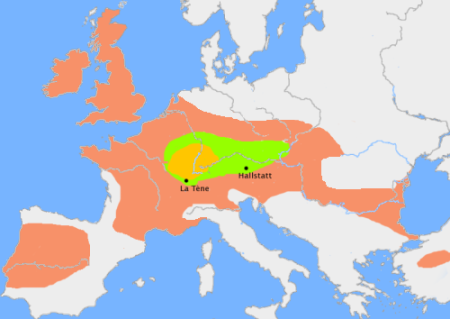
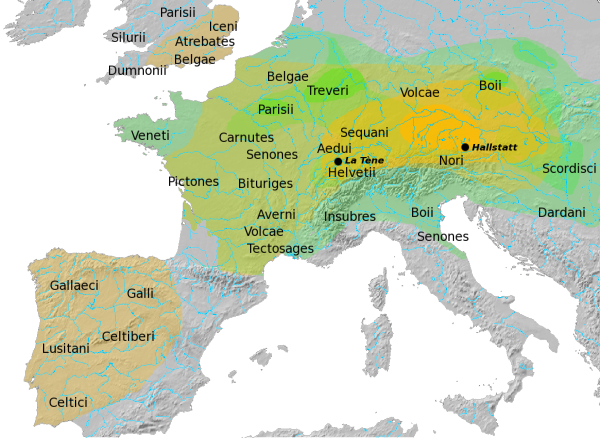
The La Tène culture is the archaeological name given to a widespread late Iron Age phenomenon in temperate Europe, conventionally dated from about 500 BC to the early centuries AD. It is named after the type‑site at La Tène on the shore of Lake Neuchâtel in Switzerland — the discovery and excavations there established diagnostic artefacts and styles now associated with the tradition. The culture is often linked in classical writings to peoples the Romans and Greeks called Celts, but archaeological and literary evidence must be read together and with caution.
Image gallery
10 Images




Characteristics and material culture
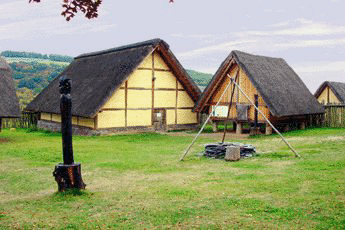
La Tène is especially recognised for its characteristic art: flowing, curvilinear motifs, stylised vegetal forms and complex metalwork decoration on swords, scabbards, fibulae, torque necklaces and horse harnesses. Settlement types range from small farmsteads to larger fortified centres (often called oppida), and burial practices include richly furnished warrior graves and ritual deposits in rivers and lakes. Archaeology shows a mix of local traditions and long‑distance influences, visible in imported Mediterranean goods and in technological advances in ironworking.
Archaeological evidence and type site
The site that gives the culture its name, near Neuchâtel, produced large numbers of iron and bronze objects, weapons and votive offerings recovered from the lake margin. Finds from La Tène and related sites across Europe demonstrate networks of exchange and stylistic continuity from central Europe into Britain, Iberia and the Balkans. For a starting reference, see descriptions of the La Tène site and regional summaries around Neuchâtel.
Historical context and classical sources
La Tène culture developed after and alongside the earlier Hallstatt tradition and expanded during a period of increased mobility and trade. Classical authors — Greeks and Romans — provide names and ethnographic observations, but they wrote from particular political perspectives. Notably, Julius Caesar's account in De Bello Gallico is a major literary source for Gallic peoples; modern readers should weigh its content critically. For primary literary contexts see general discussions of Roman and Greek encounters and the specific reference to Julius Caesar's narrative.
Society, religion and social roles
Classical writers mention social figures such as druids and bards; archaeology supports the existence of specialised elites and ritual specialists, though precise functions are reconstructed with care. Druids are described as religious and legal authorities and bards as custodians of oral tradition and song. Some ancient sources suggest that women in certain Celtic societies enjoyed relatively high status and could own property or lead in warfare; claims about matrimonial forms like polygyny or polyandry are rare and debated, so they should be presented cautiously. For the literary side of these roles consult sources discussing druids and bards.
Legacy and significance
La Tène material culture marks a key phase in European prehistory: it illuminates technological innovation, artistic developments and wide‑ranging interaction networks prior to and during the Roman expansion. The arrival of Roman power in western and central Europe transformed many La Tène communities, absorbing some and displacing others, but the material and cultural legacy persisted in regional traditions and later medieval perceptions of Celtic identity.
- Period: c. 500 BC–early AD centuries
- Geography: central and western Europe, with outlying influences
- Main features: distinctive art, iron technology, fortified settlements, ritual deposits
Related articles
Author
AlegsaOnline.com La Tène culture Leandro Alegsa
URL: https://en.alegsaonline.com/art/55132