
La bohème — Puccini's opera of love, youth and bohemian life
La bohème is a four-act Italian opera by Giacomo Puccini about love, poverty and friendship among young bohemians in 19th-century Paris; a cornerstone of the operatic repertoire.
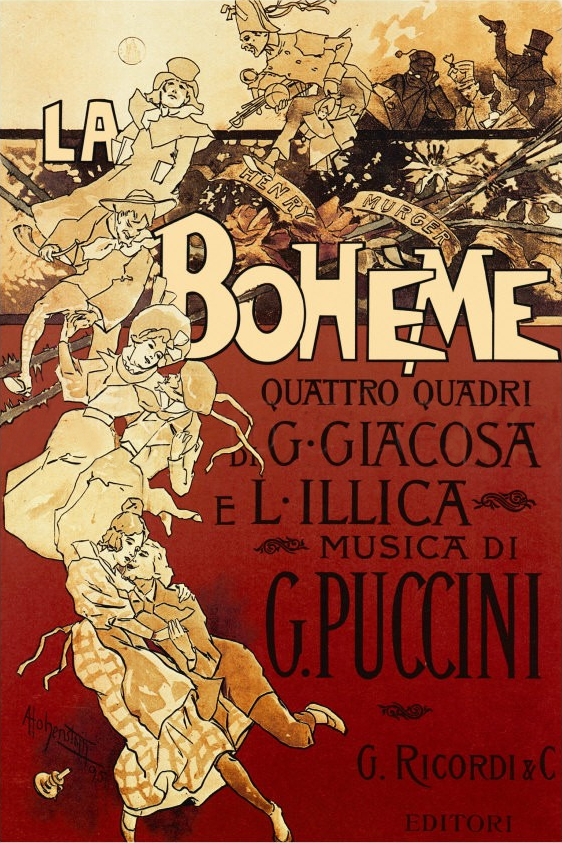
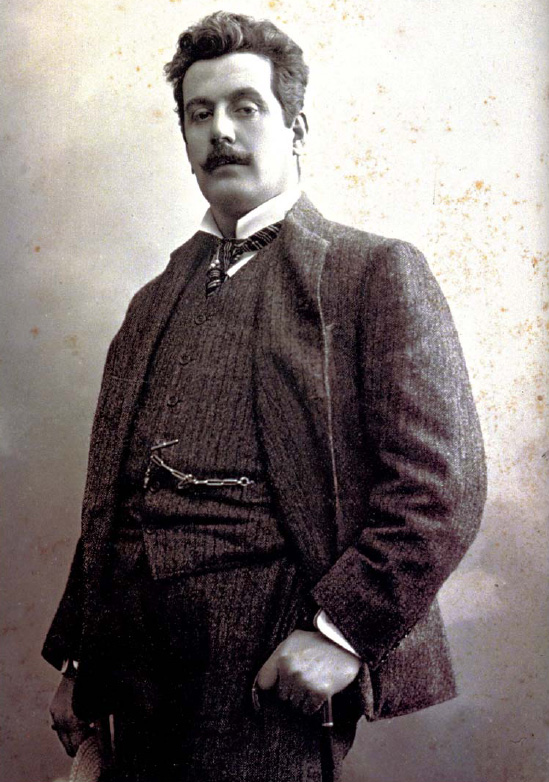
La bohème is a celebrated Italian opera in four acts with music by Giacomo Puccini. The words (the libretto) were prepared by Luigi Illica and Giuseppe Giacosa, who adapted their text from episodes in a widely read book about artists and lovers in 19th-century Paris. Puccini's score and the librettists' shaping of the scenes combine realism with lyrical expression, producing a work that balances everyday detail and intense emotion.
Image gallery
10 Images



Overview and setting
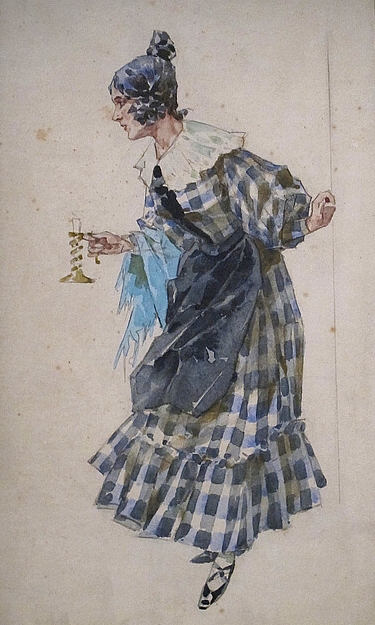
The opera dramatizes the lives of young, impoverished friends who pursue art and feeling despite material hardship. Its central story is the love affair between the poet Rodolfo and the seamstress Mimì, set against the camaraderie of their companions: the painter Marcello, the musician Schaunard, the philosopher Colline, and the flirtatious Musetta. The original literary source was Henri Murger's collection of Parisian sketches, commonly cited by its French title, Scènes de la vie de bohème. The tone moves between comedy, nostalgia and tragedy, reflecting bohemian life in a rapidly changing city.
Synopsis (brief by act)
- Act I: In a cold garret the group of friends struggle with poverty but maintain good spirits. Rodolfo meets and falls for Mimì when she knocks at the door seeking help; a tender courtship begins.
- Act II: At the lively Café Momus, social life and flirtation take the stage. Musetta reappears and creates a scene to regain Marcello's attention; the ensemble captures the bohemians' mixed pleasures and tensions.
- Act III: Later, strains appear in Rodolfo and Mimì's relationship. Arguments and fragile reconciliations reveal the pressures of illness and insecurity that shadow their love.
- Act IV: The final act returns to the garret, where friends rally around a gravely ill Mimì. Themes of devotion and loss culminate in a quiet, poignant conclusion.
Principal characters and music
- Rodolfo (poet) — tenor
- Mimì (seamstress) — soprano
- Marcello (painter) — baritone
- Musetta (soubrette) — soprano
- Schaunard (musician) and Colline (philosopher) — supporting roles
Familiar excerpts include Rodolfo's declaration "Che gelida manina", Mimì's opening lines "Mi chiamano Mimì", and Musetta's waltz "Quando m'en vo'". Puccini's gift for vocal melody, clear text setting and colorful orchestration makes these moments immediately memorable; ensembles and small-scale set pieces give the drama its human scale.
Origins, premiere and reception
The libretto traces episodes from Murger's stories, reshaped into a continuous dramatic arc that balances comic camaraderie and tragic vulnerability. The first performance was conducted by Arturo Toscanini on 1 February 1896 at the Teatro Regio in Turin, Italy. The premiere established Puccini as a leading composer of his generation and launched La bohème into the international repertory. Early critical response noted the score's immediacy and the work's strong appeal to audiences.
Musical style and themes
La bohème blends lyric arias, intimate duets and vibrant ensembles with orchestral color that evokes everyday life: street vendors, café bustle, hearthside quiet. Rather than grand historical spectacle, Puccini focuses on immediate human situations—friendship in a garret, flirtation at a café, private tenderness and public gaiety. Recurring musical gestures subtly link characters and emotions, while the vocal writing favors expressive clarity and dramatic verisimilitude.
Performance history, adaptations and influence
La bohème remains one of the most frequently staged operas worldwide. It has been filmed and adapted many times, including a 20th-century cinematic version and other screen treatments in subsequent decades. The opera also supplied the dramatic and emotional inspiration for Jonathan Larson's rock musical Rent, which reached audiences on Broadway. Directors and companies continue to reinterpret the work, relocating its action or updating its visual language while preserving the core relationships and music.
Staging, language and editions
The work is usually performed in Italian, the language of the libretto, though many productions have presented translations into local languages. Staging practice ranges from traditional period settings that emphasize Parisian atmosphere to contemporary stagings that highlight social themes such as poverty and illness. Critical editions and performing versions reflect the collaborative work of composer and librettists and accommodate varying approaches to tempo and vocal balance.
Further reading and resources
For historical background consult biographies of Puccini, studies of the librettists Luigi Illica and Giuseppe Giacosa, and editions of Henri Murger's Scènes de la vie de bohème. Program notes and academic essays often discuss the premiere under Arturo Toscanini at the Teatro Regio in Turin, and place the work within the operatic tradition of Italy. General introductions to the score and performance practice can be found in music histories and authoritative guides to the operatic repertoire (four-act works and beyond).
La bohème's mixture of lyric immediacy and human detail helps explain its enduring place on stages and in recordings. Whether encountered in a full production, a concert performance, or through derivative works such as film and musical theatre, the opera continues to introduce new audiences to Puccini's art and to the fragile, resonant world of bohemian Paris.
Questions and answers
Q: What is La bohème?
A: La bohème is an Italian opera in four acts that tells the story of a love affair between a poor poet and an equally poor seamstress in 19th century Paris.
Q: Who wrote the music for La bohème?
A: The music for La bohème was written by Giacomo Puccini.
Q: Who wrote the libretto for La bohème?
A: The libretto for La bohème was written by Luigi Illica and Giuseppe Giacosa.
Q: What book was La bohème based on?
A: La bohème was based on a book by Henri Murger called Scenes from Bohemian Life (French: Scènes de la vie de bohème).
Q: When was the first performance of La bohème conducted and where?
A: Arturo Toscanini conducted the first performance of La bohème on February 1, 1896 at the Teatro Regio in Turin, Italy.
Q: Was La bohème adapted to a movie or a Broadway musical?
A: Yes, La bohème was adapted to a film in 1965 and to a Broadway musical in 1996 called Rent.
Q: What is the plot of La bohème?
A: La bohème tells the story of a love affair between a poor poet and an equally poor seamstress in 19th century Paris.
Related articles
Author
AlegsaOnline.com La bohème — Puccini's opera of love, youth and bohemian life Leandro Alegsa
URL: https://en.alegsaonline.com/art/54836