
La Brabançonne — the national anthem of Belgium
La Brabançonne is Belgium's national anthem, written during the 1830 revolution. It exists in official French, Dutch and German versions and is used at state and public ceremonies.
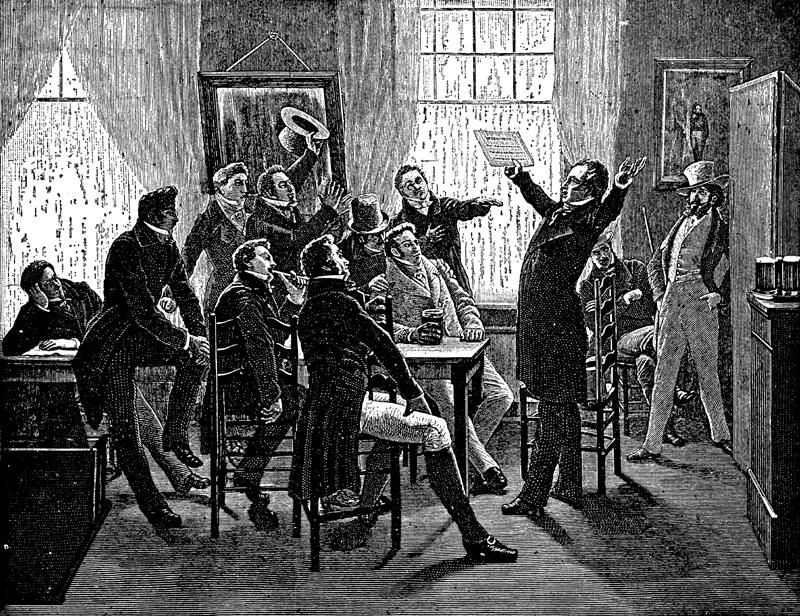
La Brabançonne is the national anthem of Belgium. Its title means "The Brabantian" and refers to the historic region of Brabant. The words were written by Alexandre Dechet (who used the pen name Jenneval) and the melody is traditionally attributed to François van Campenhout. The song developed during the Belgian Revolution of 1830 and became the emblematic patriotic hymn of the new state.
Image gallery
6 Images



Form and language
The anthem exists in three official language versions: French, Dutch and German. Each version is an official rendering rather than a literal translation, so wording and metre differ by language. The French text is the most familiar internationally; many Belgians also know a customary opening phrase said before the main stanza — often given in French as "Vive la Belgique". The title is sometimes rendered in English as The Song of Brabant.
History and development
La Brabançonne was composed in the context of the uprising that led to Belgian independence from the United Kingdom of the Netherlands. Early versions of the poem were strongly political and directed against the former rulers; over time the lyrics were moderated and standardized for official use. Different lines and verses have been edited or omitted in public performance to reflect changing political sensibilities and to emphasize unity among Belgium's language communities.
Characteristics and performance
The music is martial and straightforward, intended for choral and band performance. Official protocol typically calls for standing during its performance; it is played at state ceremonies, official commemorations, military events and many international sports fixtures where Belgium is represented. Shortened versions or single stanzas are commonly used in public events rather than the full poem.
Uses and cultural significance
- State ceremonies and royal occasions
- Military parades and official commemorations
- Sporting events where national teams participate
- School and civic events celebrating national holidays
La Brabançonne symbolizes Belgium's national identity while also reflecting its multilingual and regional diversity. Its three official language versions underline the country's constitutional recognition of French, Dutch and German as coexisting national languages.
Notable facts
Although the original 1830 text had a sharper political tone, the anthem today is presented in moderated forms for inclusivity. Its name and origins link it to the Brabant region and to the revolutionary period that created modern Belgium. Performers and institutions generally follow established ceremonial rules, but local custom can vary across communities.
Related articles
Author
AlegsaOnline.com La Brabançonne — the national anthem of Belgium Leandro Alegsa
URL: https://en.alegsaonline.com/art/54847