
Arturo Toscanini (1867–1957): Life, Conducting Style and Legacy
Italian conductor Arturo Toscanini (1867–1957) was famed for his prodigious memory, strict rehearsal methods, and pioneering recordings and broadcasts. His fidelity to scores shaped 20th‑century orchestral practice.
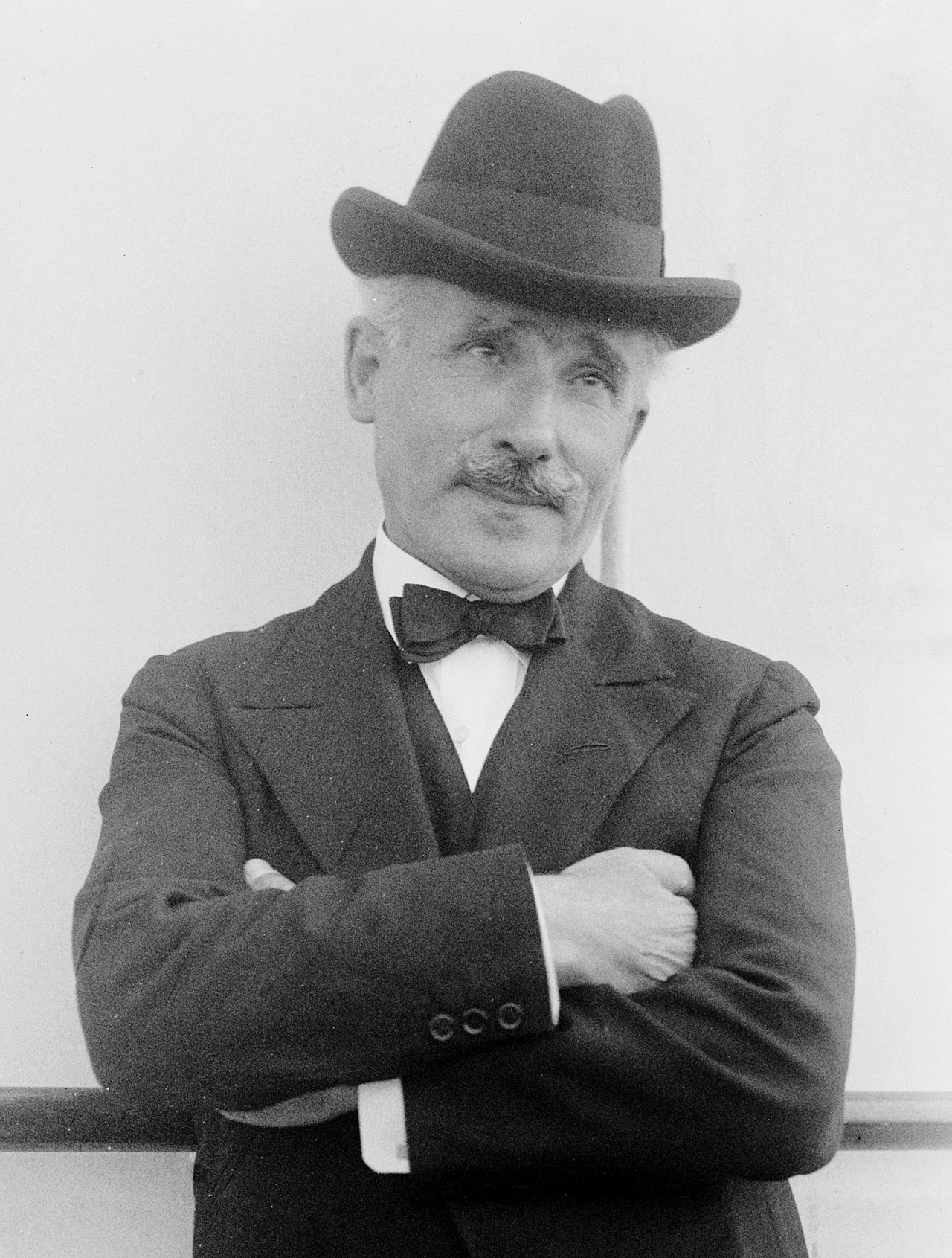
Arturo Toscanini (25 March 1867 – 16 January 1957) was an Italian conductor whose authority, exacting standards and international prominence made him one of the most influential musical figures of the 20th century. Celebrated for a prodigious memory and an acute aural sense, he became a symbol of interpretive discipline and fidelity to the printed score. His career spanned the operatic stage, international concert platforms and the early era of recording and radio, and his public reputation extended well beyond the concert hall.
Image gallery
9 Images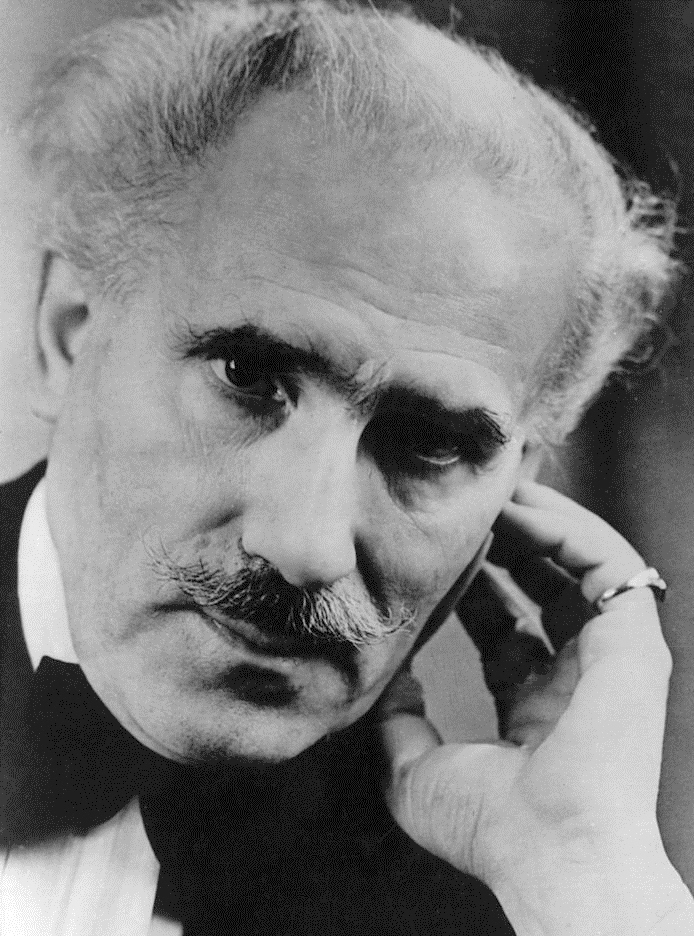




Early life and rise
Toscanini trained in Italy and came to prominence through his work in Italian opera houses, where he established a reputation for clear, direct readings of repertory associated with the Italian tradition. Success at home and in Europe brought invitations abroad. Over time he assumed posts with major orchestras and opera companies, developing a dual reputation as an opera conductor and as an interpreter of symphonic works.
Career in the United States and broadcasting
In the middle years of his career Toscanini became closely associated with ensembles and institutions outside Italy. He led prominent concerts in Europe and the Americas and later became closely identified with a specially formed American orchestra that allowed him to make regular broadcasts and recordings. These radio and studio projects greatly extended his public reach and helped define modern expectations about orchestral sound and rehearsal practice.
Conduction style and rehearsal practice
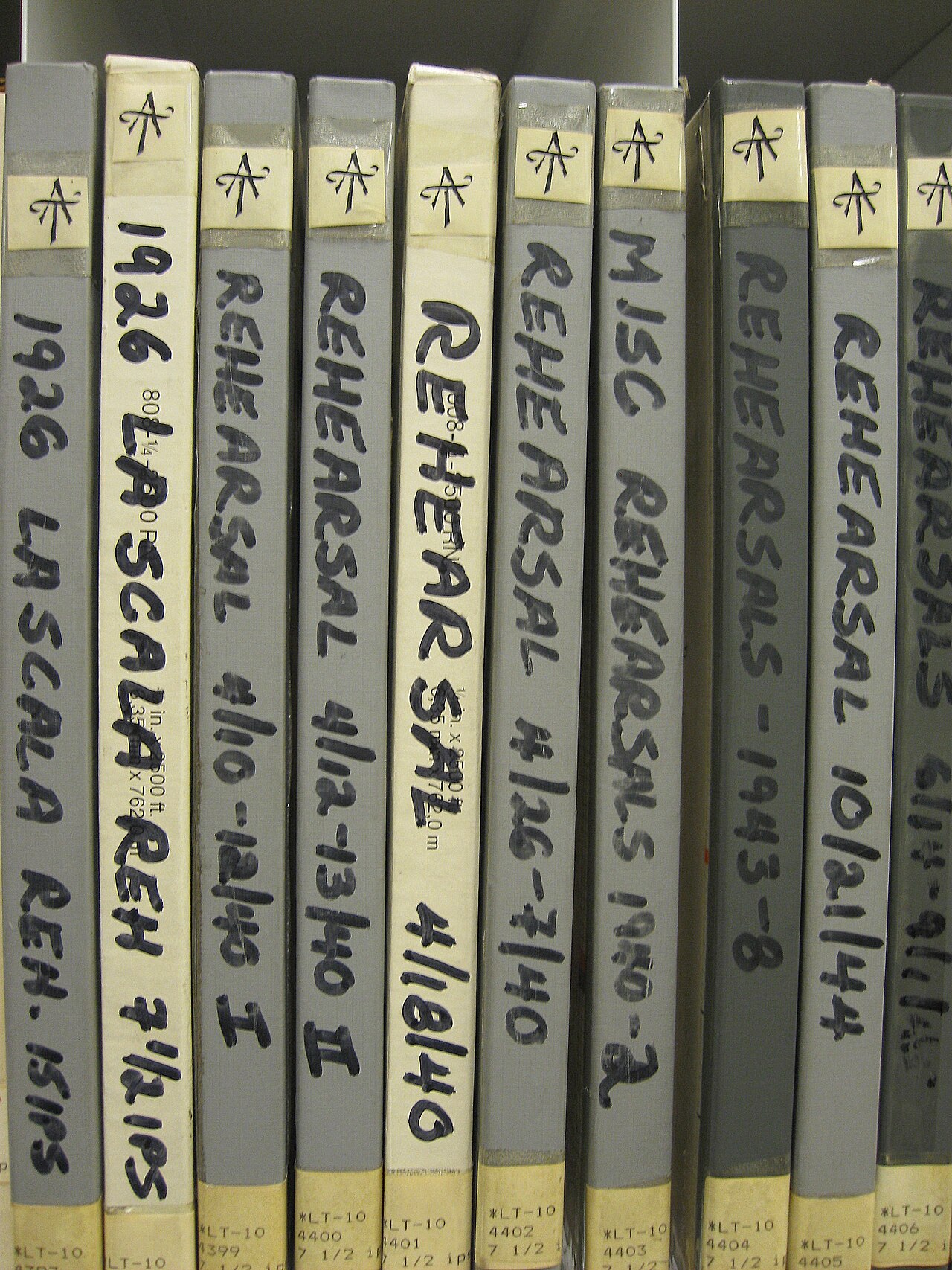
Toscanini was widely admired for his exceptional memory and his ability to work from a score that he often had memorized in great detail. He prized rhythmic clarity, transparency of texture and faithful observance of the composer's markings, and he demanded technical precision from musicians. In rehearsal he attended to balance, articulation, intonation and phrasing, and was known for correcting both obvious and subtle errors in parts or editions; scholars and players have noted occasions when he pointed out inconsistencies in printed scores.
Temperament and working relationships
Accounts of Toscanini emphasize both his fiery temperament and his capacity to inspire high levels of concentration. Surviving film and audio clips show moments of impatience and intense focus as well as moments of exhilaration and close rapport, where orchestras responded to his expectations and achieved striking ensemble unity. His insistence on preparation and discipline won admiration from many colleagues, while some critics and musicians found his methods uncompromising.
Recordings, legacy and repertoire
Toscanini was an early figure in commercial recording and radio broadcasting, leaving a large body of recorded performances that continue to be studied and heard. These documents exhibit a characteristic sound: incisive attacks, brisk tempi, transparent orchestral textures and carefully shaped dynamics. His repertory ranged from Italian opera to central European symphonic literature, and he is particularly associated with works by composers whose scores he approached with scrupulous attention.
Influence and historical assessment
Many later conductors acknowledged Toscanini's influence on 20th‑century performance practice, especially in the areas of score fidelity, clarity of ensemble and rehearsal discipline. While views of his interpretations vary, his role in popularizing orchestral music through recordings and broadcasts and in raising technical standards in many ensembles is widely recognized. For further biographical material see biographical resources, and for examples of his recorded legacy and archival film material see recordings and film clips.
- He remains widely cited as one of the most famous conductors of his era.
- His approach emphasized the composer's intentions as expressed in the score rather than personal showmanship.
- Through recordings and public appearances he helped bring orchestral music to broader audiences and influenced standards of orchestral training.
Toscanini's career combined theatrical intensity, rigorous rehearsal technique and pioneering participation in recorded media. Whether celebrated for dramatic operatic nights or for the clarity of studio performances, his standards left a durable imprint on 20th‑century musical life.
Questions and answers
Q: Who was Arturo Toscanini?
A: Arturo Toscanini was an Italian conductor who is considered by many to be the greatest conductor of his time.
Q: What made Toscanini famous?
A: Toscanini was probably the first conductor to become a world superstar due to his exceptional talent and skill.
Q: What was Toscanini's memory like?
A: Toscanini had an incredibly good memory and could remember every single note of the large number of works he conducted. He had a photographic memory so that he could remember what the pages looked like.
Q: Did Toscanini ever find mistakes in scores that others had missed?
A: Yes, sometimes Toscanini found little mistakes in the scores which no one else had ever noticed.
Q: What was Toscanini's sense of hearing like?
A: Toscanini had a very keen sense of hearing and could distinguish what each instrument was doing during a performance.
Q: Did Toscanini have a fiery temperament?
A: Yes, Toscanini had a fiery temperament and there are movies of him shouting angrily at his orchestra in rehearsals.
Q: What contribution did Toscanini make to early gramophone recordings?
A: In the early days of gramophone recordings, Toscanini made some of the first recordings of famous orchestral works, which helped to popularize classical music.
Related articles
Author
AlegsaOnline.com Arturo Toscanini (1867–1957): Life, Conducting Style and Legacy Leandro Alegsa
URL: https://en.alegsaonline.com/art/6385