
Giacomo Puccini: life, works, and lasting influence
Italian late-Romantic opera composer (1858–1924) known for La Bohème, Tosca, Madama Butterfly and Turandot; celebrated for melody, drama and orchestral color.
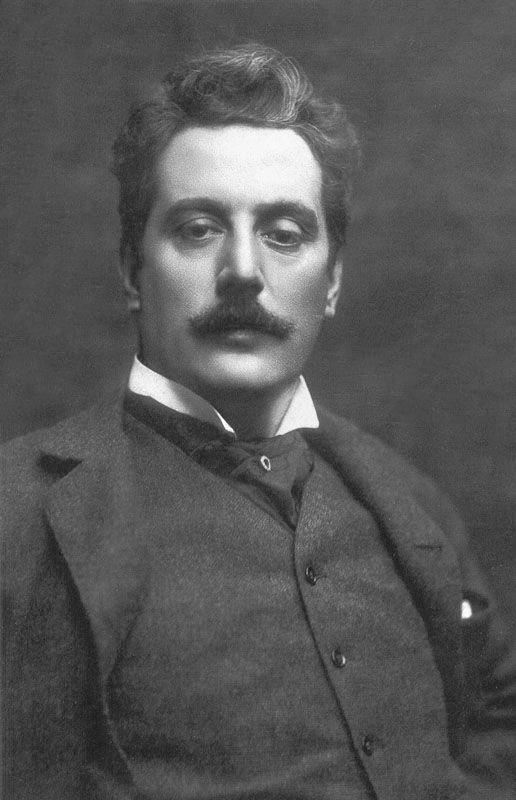
Giacomo Puccini (23 December 1858 – 29 November 1924) is widely regarded as the leading Italian composer of opera after Giuseppe Verdi. His gift for memorable tunes and dramatic pacing made many of his works mainstays of the repertory. Over a career spanning the late 19th and early 20th centuries he completed a sequence of stage works that continue to be performed worldwide.
Image gallery
10 Images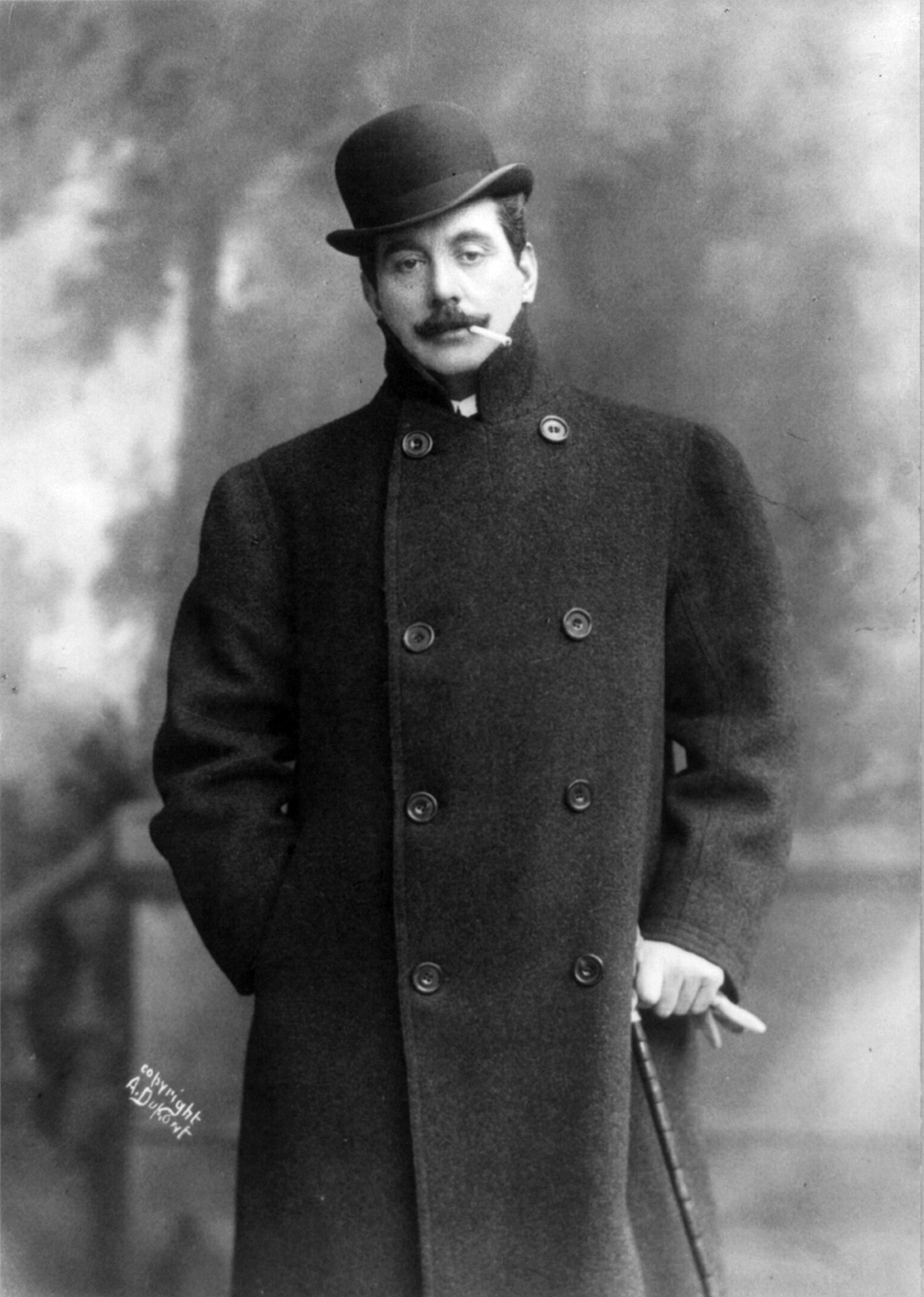


Characteristics and style
Puccini wrote in a late‑Romantic idiom with strong attention to vocal lines and orchestral color. He favored direct, emotionally charged melodies and often used short musical motifs to connect characters and ideas. His operas combine intimate domestic scenes with public spectacle, and he sometimes incorporated exotic sounds to evoke distant settings. Critics and audiences have noted his association with the verismo movement—operas that emphasize realistic, sometimes gritty, human situations—though his approach remained deeply melodic and theatrical.
Major works
- Manon Lescaut (1893) – the work that confirmed his early promise.
- La Bohème (1896) – a portrait of young artists, among the most popular operas in the repertory.
- Tosca (1900) – a dramatic thriller combining politics, love and tragedy.
- Madama Butterfly (1904) – a poignant story of love, culture clash and sacrifice.
- Turandot (left unfinished at his death in 1924) – contains the famous aria "Nessun dorma", which gained additional fame through recordings and broadcasts.
Life and collaborators
Born in Lucca into a musical family, Puccini trained at the Milan Conservatory and studied the operatic tradition that preceded him. He worked closely with librettists such as Luigi Illica and Giuseppe Giacosa; their collaborations produced several of his most enduring scores. Puccini was attentive to staging and often revised his works after premières to better align music and drama.
Reception and legacy
Puccini's arias and scenes have entered popular culture as well as the concert hall. The tenor Luciano Pavarotti helped popularize Nessun dorma when he performed it for the BBC coverage of the 1990 football tournament in Italy; the aria remains a frequent showcase for singers. His operas are widely recorded and continue to draw audiences for their emotional immediacy and theatrical craftsmanship. For further reading on opera history and performance practice see resources on opera, performers and production techniques at composer reference sites and broadcast archives at television and media collections.
Puccini's balance of melody, drama and orchestral color ensured his works a central place in the international operatic repertory. Students and lovers of opera study his scores for their accessible yet sophisticated handling of voice and orchestra, and his stage works remain a bridge between 19th‑century Romanticism and 20th‑century theatrical realism. For authoritative catalogs and performance histories consult specialist bibliographies and recorded archives at song databases and music libraries found through online portals such as Turandot-focused collections and general music reference hubs at Italian cultural sites.
Questions and answers
Q: Who was the most famous Italian opera composer after Verdi?
A: Giacomo Puccini.
Q: How many operas did he write?
A: He wrote 16 operas.
Q: Are his operatic songs still performed today?
A: Yes, many of his operatic songs are still performed very often today.
Q: What is the name of the aria sung by Luciano Pavarotti for the BBC’s television coverage of the Football World Cup in Italy in 1990?
A: The aria was called Nessun dorma from Turandot.
Q: When was Giacomo Puccini born?
A: Giacomo Puccini was born on 23 December 1858.
Q: When did he die?
A: He died on 29 November 1924.
Q: Where did Luciano Pavarotti sing Nessun dorma from Turandot?
A: Luciano Pavarotti sang Nessun dorma from Turandot for the BBC’s television coverage of the Football World Cup which was held in Italy in 1990.
Related articles
Author
AlegsaOnline.com Giacomo Puccini: life, works, and lasting influence Leandro Alegsa
URL: https://en.alegsaonline.com/art/38684