
Henri Murger (1822–1861)
French writer best known for Scènes de la vie de bohème, a vivid portrayal of poor artists in Paris that inspired major operas and shaped the modern idea of bohemian life.
Overview
Henri Murger was a French writer whose sketches and stories about the precarious lives of young artists in Paris made a lasting cultural impression. He is most often associated with Scènes de la vie de bohème, a collection of short pieces and vignettes that painted the social world of struggling poets, painters and musicians. Murger's tone mixes sympathy, gentle irony and anecdotal detail, creating an image of bohemian existence that has endured beyond his own lifetime.
Image gallery
3 Images

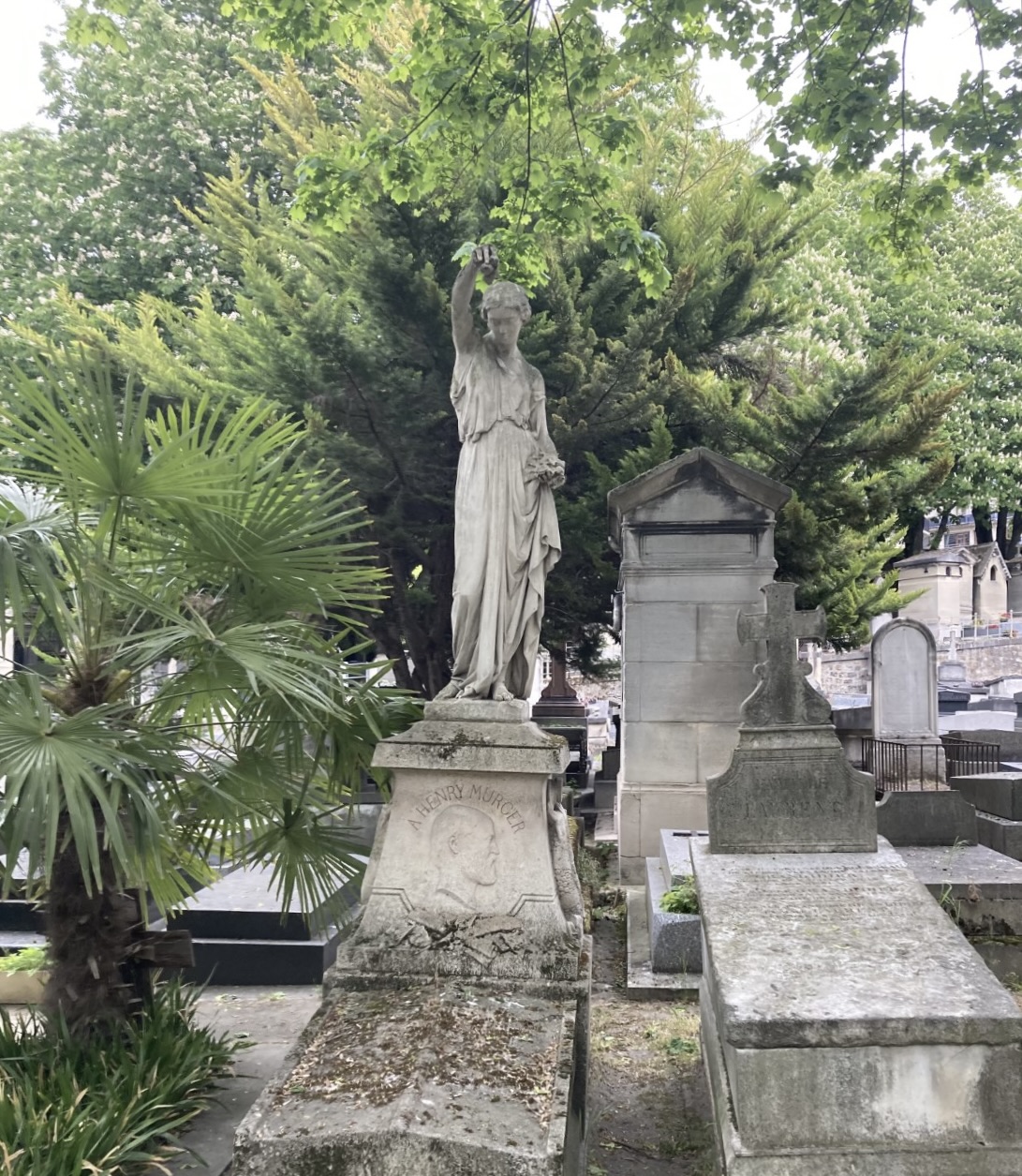
Life and background
Born and raised in Paris, Murger lived much of his life at close quarters with the artistic community he described. He moved in cafés, boarding houses and salon circles where aspiring creators gathered, and his first-hand experience of their routines, quarrels and loves supplied much of his material. Though he did not remain wealthy, his observations were clear-eyed and often humorous, and he became widely read and discussed during his career.
Scènes de la vie de bohème
Scènes de la vie de bohème is a series of loosely connected episodes that follow a small circle of friends through work, hunger, romance and occasional success. Rather than a single plot, the book presents character studies and domestic scenes that emphasize everyday detail—meals, rehearsals, letters and chance encounters—while treating hardship with humanity. The work helped shape popular perceptions of the Latin Quarter and the so-called bohemian lifestyle.
Adaptations and influence
Murger's portrayal of bohemian life became a rich source for stage and musical adaptation. His stories were adapted for the theatre and later served as the basis for several operas; the most famous musical setting is by Giacomo Puccini, whose working with Murger's material produced the beloved La bohème. At roughly the same time another composer, Ruggero Leoncavallo, also set the same material to music in a separate opera in his own version. Beyond those works, Murger's scenes influenced films, popular songs and the broader notion of the romantic, struggling artist.
Themes and style
Murger's writing balances realism and sentiment: he records poverty and petty misfortune without melodrama, and he treats friendship and artistic aspiration as sources of dignity. His sketches are anecdotal and domestic rather than ideological, and they favor character detail and conversational reporting over formal argument. This style made them accessible to readers and adaptable by dramatists and composers.
Legacy and notable facts
- Scènes de la vie de bohème popularized the word "bohemian" as applied to artistic lifestyles.
- The book remains a touchstone for artists' communities and is cited as a direct inspiration for major operas and other cultural works.
- Murger's work endures as both a literary document of a particular Parisian milieu and as a cultural symbol of youthful artistic striving.
Though he died relatively young, Murger left a compact but influential body of work whose characters and scenes continue to be revisited in theatre, music and film.
Related articles
Author
AlegsaOnline.com Henri Murger (1822–1861) Leandro Alegsa
URL: https://en.alegsaonline.com/art/43539