
La forza del destino
An overview of Giuseppe Verdi's four-act Italian opera La forza del destino: its origins, musical characteristics, plot themes of fate and honor, performance history and notable features.
Overview
La forza del destino (The Force of Destiny) is an Italian opera in four acts by Giuseppe Verdi. Its libretto derives from a Spanish play and was prepared initially by Francesco Maria Piave with later contributions from Antonio Ghislanzoni. The work explores obsessive themes—love, honor, guilt and the idea that destiny can control human lives. First staged in Saint Petersburg in Russia in 1862, Verdi substantially revised the score for a 1869 production in Milan.
Image gallery
7 Images


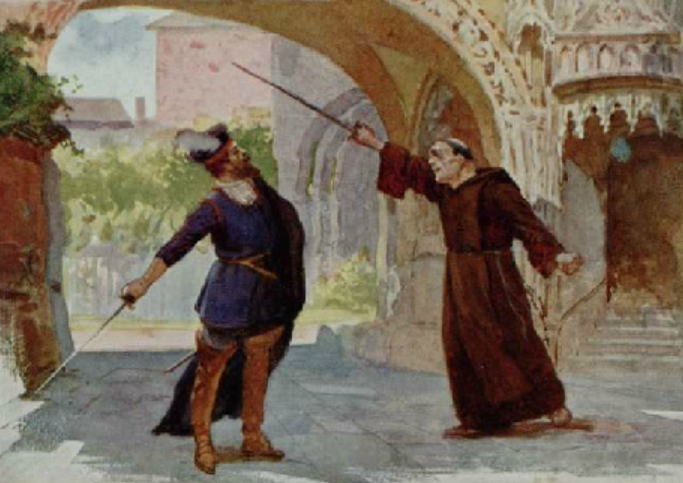
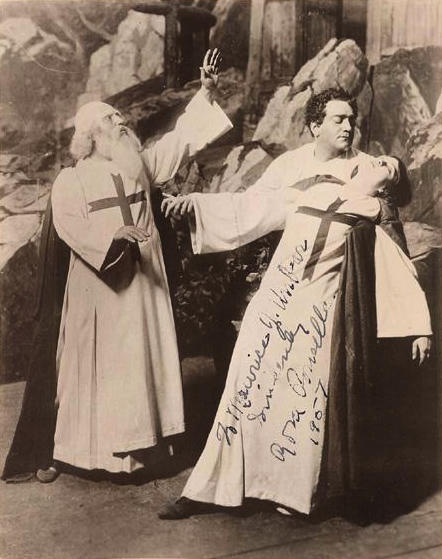
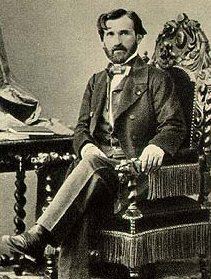
Structure and musical features
The opera is notable for its dramatic overture—widely regarded as one of Verdi's most effective orchestral introductions—and for densely woven ensembles, choruses and arias. The score showcases Verdi's middle-period style, blending lyrical melodies with heightened orchestral color and strong motivic links that evoke the inescapability of fate. The cast centers on a soprano, tenor and baritone with significant parts for mezzo and chorus, and the music frequently alternates intimate soliloquies with large-scale, public scenes.
Origins and libretto
Verdi based his drama on the Romantic Spanish play Don Álvaro o la fuerza del sino by Ángel de Saavedra, which provided the plot skeleton and its atmosphere of tragic inevitability. The libretto process involved adaptation and condensation to fit operatic requirements; initial drafts by Piave were revised to tighten dramatic pacing and to satisfy different production circumstances, including later changes that resulted in the Milan version.
Performance history and revisions
Although the premiere in Saint Petersburg introduced the work to the public, subsequent performances and publications reflect Verdi's careful rethinking of scenes and endings. The 1869 Milan revision is the best known in the modern repertory. Over time the opera has remained a staple in many opera houses because of its emotional intensity and the opportunities it offers singers and orchestras to convey psychological complexity.
Themes, reception and influence
La forza del destino treats destiny as an almost tangible force that drives characters toward tragic outcomes. Critics and audiences have praised its dramatic cohesion and the powerful overture; others have debated the moral ambiguities of the characters. The work influenced later operatic writing by emphasizing dramatic realism and through its combination of intimate confessionals with mass-spectacle scenes.
Notable facts and further reading
- Based on a Spanish Romantic play and adapted into Italian opera form; see links on source and libretto: opera, libretto source.
- Key collaborators and contexts: opera genre, famous overture, and editorial work by Ghislanzoni.
- Premiere and revision locations: Saint Petersburg, Russia and Milan.
- For general study and recordings consult dedicated opera guides and catalogs: opera resources and specialized discographies collections.
For readers seeking a synopsis, principal roles or recommended recordings, authoritative opera handbooks and program notes provide reliable, detailed materials. This article outlines the essentials—origins, music, dramatic aims and legacy—of Verdi's La forza del destino.
Related articles
Author
AlegsaOnline.com La forza del destino Leandro Alegsa
URL: https://en.alegsaonline.com/art/54970