
La fanciulla del West (The Girl of the Golden West)
An overview of Giacomo Puccini's opera La fanciulla del West: origins in David Belasco's play, premiere at the Metropolitan Opera in 1910, principal characters, musical style, and legacy.
La fanciulla del West (The Girl of the Golden West) is an opera in three acts by Giacomo Puccini. Based on the 1905 play by American dramatist David Belasco, the work transports Puccini's Italian verismo sensibility to a California Gold Rush setting. The title role—Minnie, a strong-willed saloon owner—anchors an emotional drama about love, law, and loyalty in a rugged mining camp.
Image gallery
4 Images

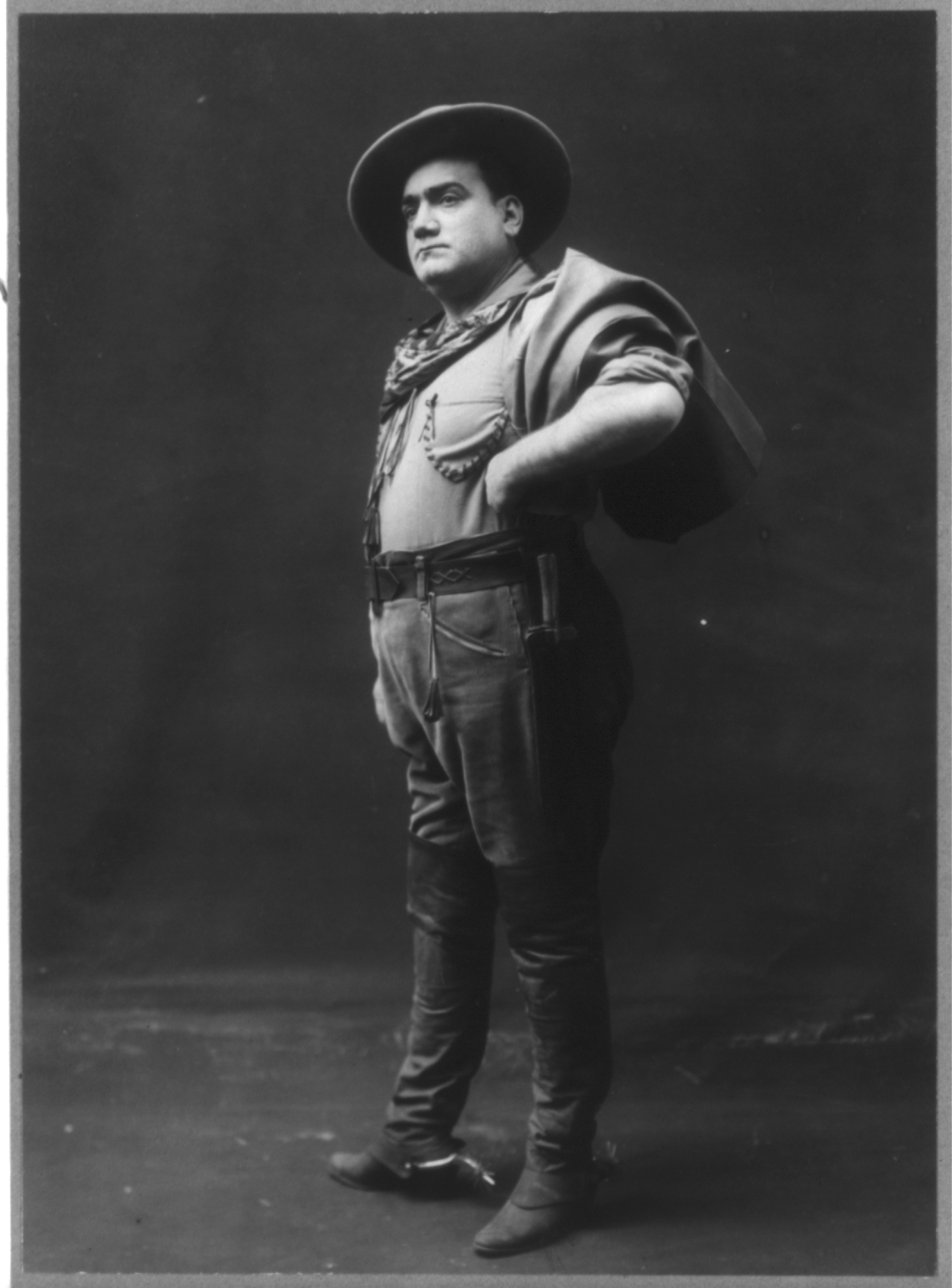
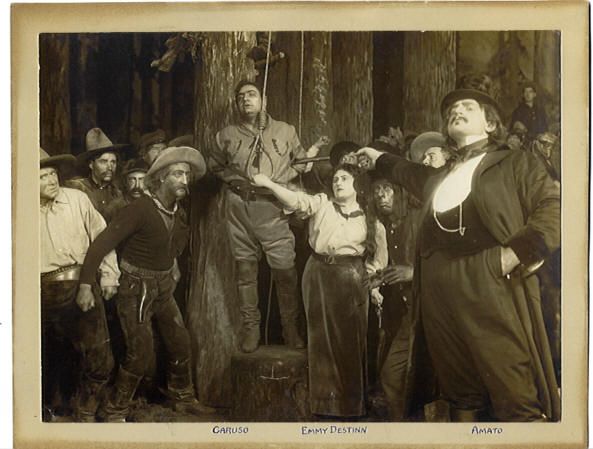
Background and premiere
Puccini composed the score in the years leading up to the 1910 premiere. The opera was first staged at the Metropolitan Opera in New York and debuted in 1910. The adaptation kept Belasco's frontier atmosphere while drawing on Italian operatic conventions; the libretto was prepared by Guelfo Civinini and Carlo Zangarini. Puccini's choice of an American subject was notable for an early 20th-century Italian composer.
Principal characters
- Minnie — proprietor of the Polka Saloon, the heroine
- The Stranger (also known by other names) — a mysterious newcomer and the opera's romantic interest
- Jack Rance — the local sheriff, who represents law and unrequited love
- Ensemble — miners, gamblers and townspeople who shape the community's mood
Plot outline
The story centers on Minnie's relationship with an enigmatic outsider who arrives at the camp. Tension grows when the sheriff suspects the stranger of being an outlaw. Themes of identity, mercy and frontier justice drive the drama: Minnie's courage and compassion are tested as community pressure mounts and loyalties conflict. The narrative balances moments of intimacy with larger, crowd-driven scenes typical of verismo theatre.
Music and significance
Musically, the opera blends Puccini's lyrical gifts with colorful orchestration that hints at American folk elements without direct quotation. The score requires strong soloists and an ensemble capable of dramatic pacing; it features sweeping arias, tense ensembles and atmospheric orchestral writing. La fanciulla del West stands among Puccini's later works for its experimentation with setting and character types beyond the usual European milieu.
Over the decades the opera has attracted varied critical responses but remains part of the repertory at major companies, appreciated for its compelling title role and vivid depiction of a cinematic frontier. For more on Puccini and the play that inspired the libretto see Giacomo Puccini and the original Belasco drama.
Related articles
Author
AlegsaOnline.com La fanciulla del West (The Girl of the Golden West) Leandro Alegsa
URL: https://en.alegsaonline.com/art/54946