
Argali (Ovis ammon): the wild mountain sheep of Central Asia
Argali (Ovis ammon) is the largest wild sheep, native to Central Asian highlands. This article covers appearance, habitat, behavior, subspecies (including Marco Polo sheep), and conservation concerns.
The argali (Ovis ammon) is a species of wild sheep that inhabits the high mountain and steppe regions of Central and East Asia. Populations are found in ranges that include the Himalaya, the Tibetan Plateau and adjacent uplands, the Altai and Pamir systems, and parts of Mongolia and Central Asia (Central Asia, Tibet). Argali are notable for being the largest wild sheep, showing clear sexual dimorphism and distinctive spiraled horns in males.
Image gallery
6 Images


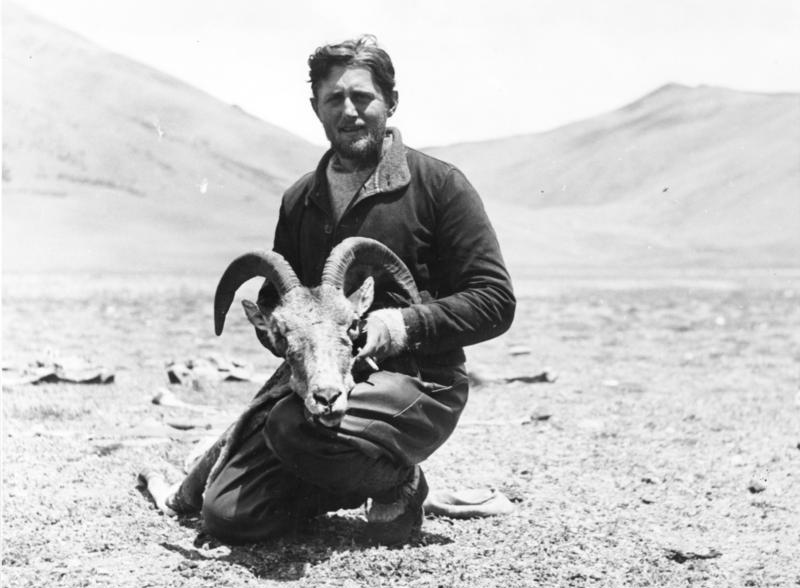
Physical characteristics
Adult argali rams are large-bodied: they can stand well over a metre at the shoulder and may weigh more than 100 kg in some populations. Rams develop massive, curved horns that can form broad spirals; ewes have much shorter, more slender horns or may be hornless. Fur colour ranges from light sandy to darker brown depending on subspecies and season, with a lighter underbelly. Diet consists mainly of grasses, herbs and other alpine vegetation; argali are adapted for grazing in open, often steep terrain.
Distribution, subspecies and notable forms
Several regional forms or subspecies of argali have been described, varying in size, horn shape and coat. The large Pamir form, commonly known as the Marco Polo sheep or Pamir argali, is particularly famed for the length and flare of the male horns and for its size (Pamir argali). The common name "Marco Polo sheep" refers to the European traveller who wrote early accounts of Central Asian fauna and helped popularize the animal in the West (Marco Polo).
Behavior and ecology
Argali are generally social, forming flocks that vary seasonally in size. Males and females may live separately for much of the year and come together during the rut, when males compete for access to females. Predators include wolves, snow leopards and other large carnivores where ranges overlap. Argali move seasonally to exploit highland pastures in summer and lower slopes in winter, and their ecology is closely tied to alpine grassland health.
Conservation and human interactions
Threats to argali include habitat loss and fragmentation, competition with domestic livestock, poaching for meat and horns, and disease transmission from domestic animals. Some populations are stable or locally abundant, while others—particularly large, trophy-sized forms like the Pamir argali—face greater pressure and conservation concern (Pamir argali conservation). Management measures include protected areas, regulated hunting in some countries, community-based stewardship, and efforts to reduce livestock competition.
Notable facts
- Argali are the largest wild sheep species and an important part of highland ecosystems.
- They are culturally and economically significant to many pastoral communities for meat, wool and traditional uses.
- Conservation status varies by region; some subspecies receive legal protection and conservation attention.
Further information on taxonomy, local population studies and management practices can be found through regional wildlife authorities and specialist reports (wild sheep resources, Central Asian conservation, Tibetan wildlife).
Related articles
Author
AlegsaOnline.com Argali (Ovis ammon): the wild mountain sheep of Central Asia Leandro Alegsa
URL: https://en.alegsaonline.com/art/5445
Sources
- iucnredlist.org : "The IUCN Red List of Threatened Species"