
Aromobatidae: neotropical frogs related to poison-dart frogs
Aromobatidae is a family of small neotropical frogs native to Central and South America. Many species are terrestrial, exhibit parental care, and differ from classic poison-dart frogs in toxicity and coloration.
Overview
Aromobatidae is a family of small to medium-sized frogs native to tropical parts of Central America and South America. They are often grouped with other so-called poison-dart frogs because of historical classification, but members of Aromobatidae show a wide range of appearances and ecological strategies. As of late 2019, roughly 126 species distributed across three subfamilies and five genera had been described.
Image gallery
6 Images



Physical characteristics
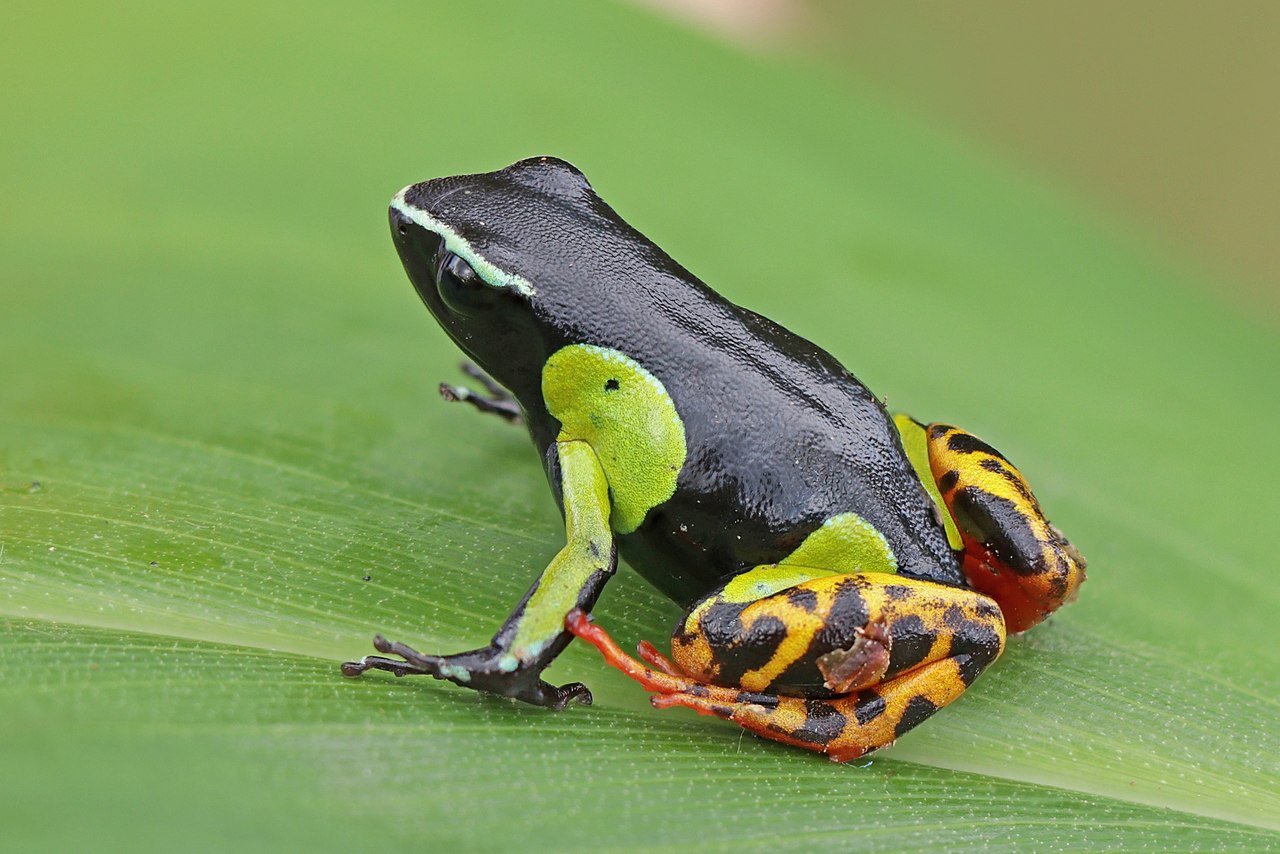
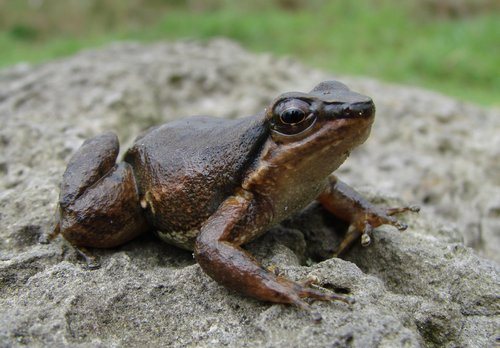
Species in this family are typically terrestrial and diurnal, with smooth skin and relatively short limbs adapted for life on the forest floor. Size varies by species, but many are small. Toe pads tend to be modest rather than the large adhesive discs seen in tree frogs, and webbing is usually reduced. Coloration ranges from cryptic browns and greens to brighter patterns, though extreme aposematic (warning) coloring is less common than in some related groups.
Behavior and reproduction
Aromobatidae species often display active parental care. Many adults carry developing tadpoles on their backs to pools, leaf axils, or slow-moving streams, and parents may guard clutches of eggs. Males frequently call to attract mates and defend territories; acoustic and behavioral traits are important in species recognition and courtship.
Taxonomy and history
The family was recognized following taxonomic revisions that separated several lineages previously placed within broader poison-dart frog assemblages. These revisions reflect differences in morphology, behavior and genetic data. Research into their relationships continues, and new species descriptions and reclassifications occur as field work and molecular analyses proceed.
Ecological role and conservation
Aromobatidae frogs are insectivores that help control small invertebrate populations and serve as prey for larger predators. Because many species have restricted ranges and specialized habitat needs, they are vulnerable to habitat loss, pollution and climate change. Their relative scarcity of potent skin alkaloids compared with some close relatives makes them of interest to scientists studying the evolution of toxicity and chemical defenses.
Distinctive facts
- Although historically linked to "poison-dart" frogs, most Aromobatidae lack the strong, diet-derived skin toxins that characterize some other families.
- Parental care, including tadpole transport and site selection for larval development, is a widespread and notable trait.
- Ongoing field surveys and genetic studies continue to refine the number of recognized species and their relationships.
Related articles
Author
AlegsaOnline.com Aromobatidae: neotropical frogs related to poison-dart frogs Leandro Alegsa
URL: https://en.alegsaonline.com/art/5816