
Ovis — genus of sheep (wild and domestic)
Ovis is the sheep genus in the Caprinae subfamily, comprising wild and domestic sheep species known for horns, wool, grazing habits, and adaptations to mountainous and steppe habitats.
Overview
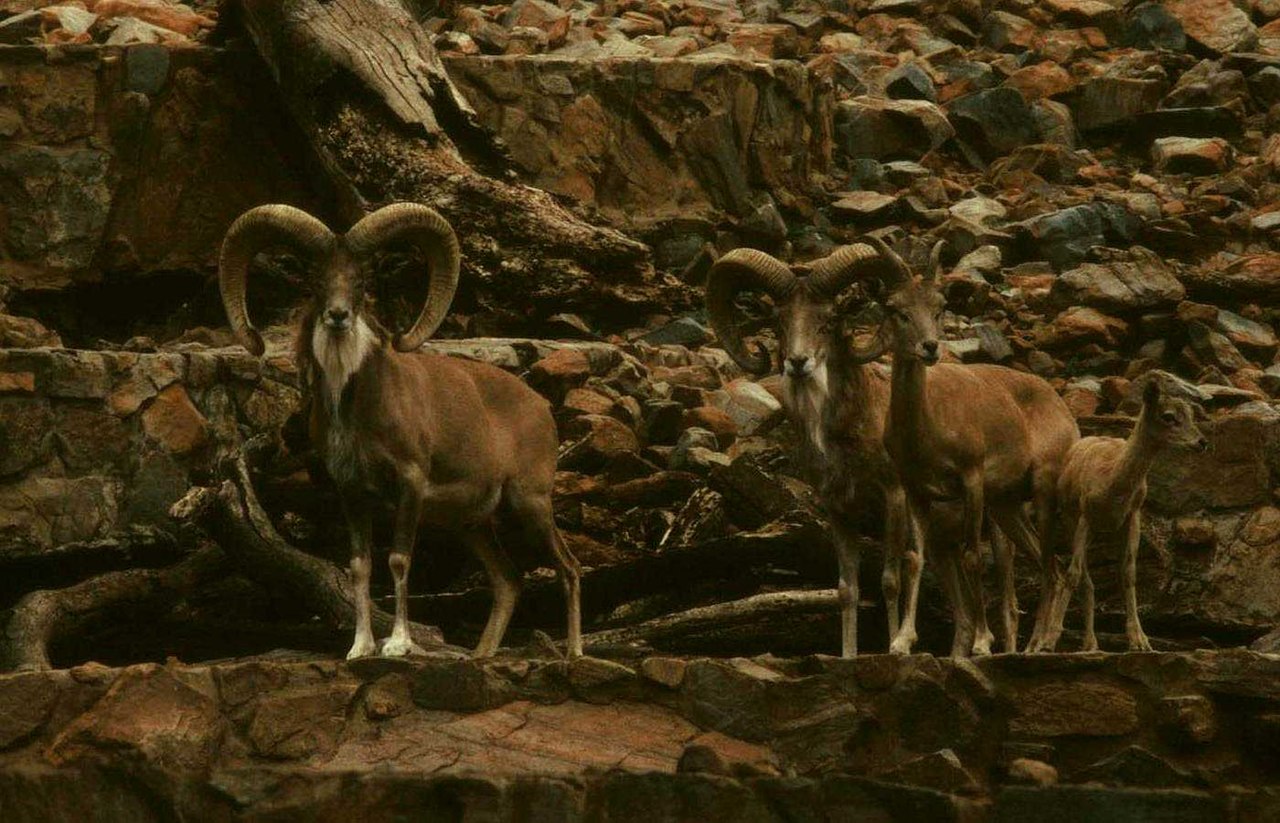
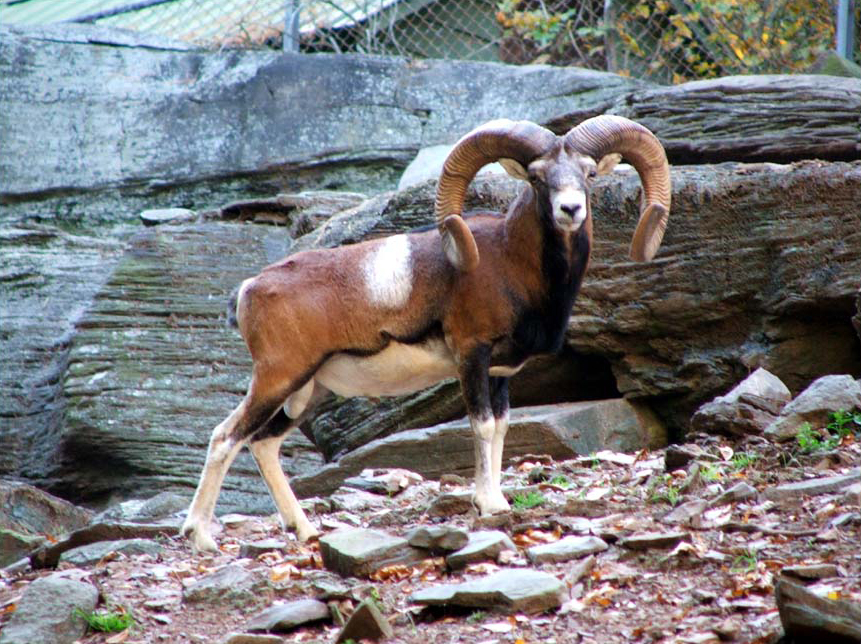
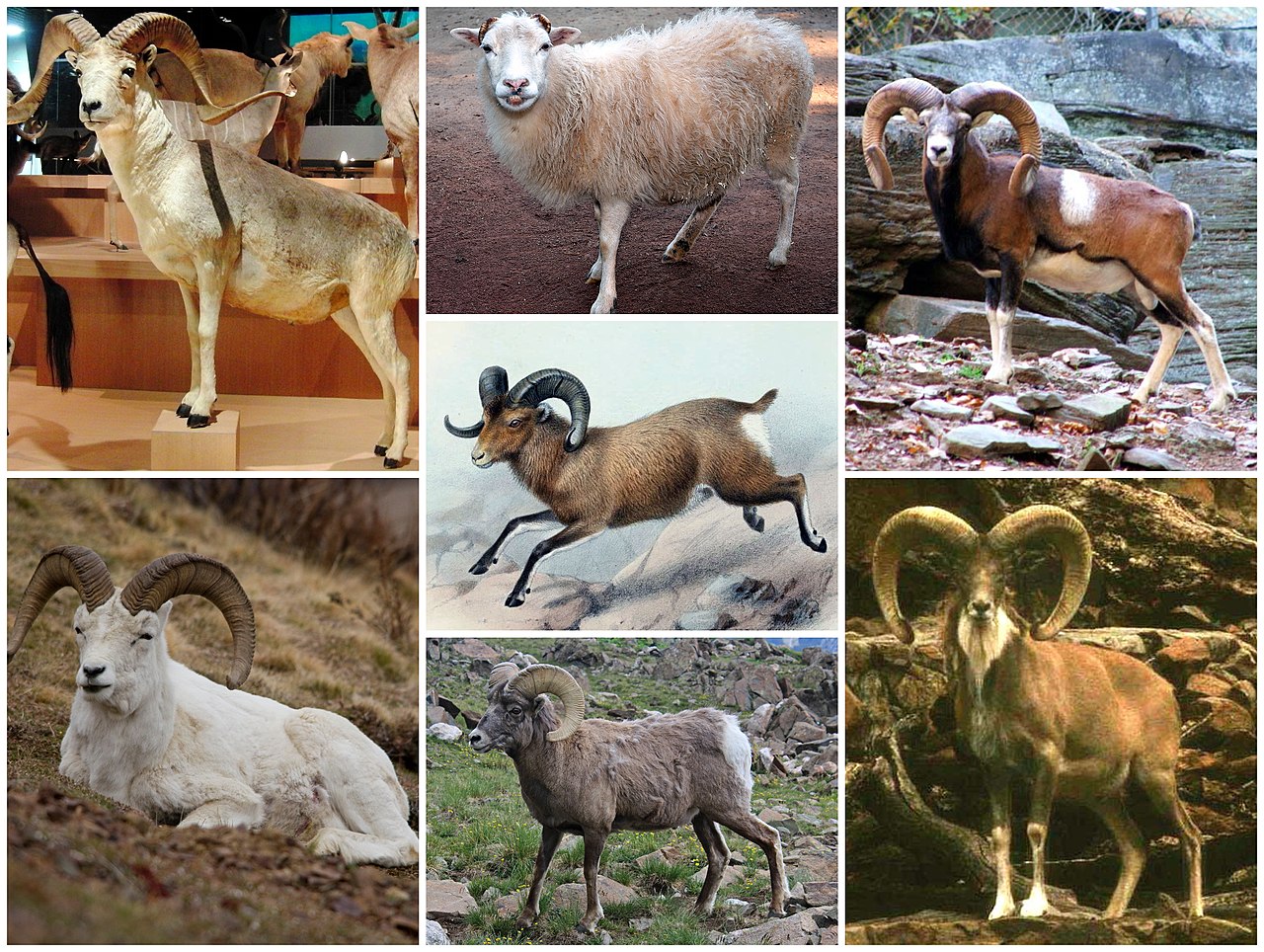
The genus Ovis is a group of hoofed mammals in the subfamily Caprinae of the family Bovidae. It comprises the wild sheep and the domestic sheep lineages and includes several species and subspecies distributed across Eurasia and North America. Members of Ovis are typically adapted to open, often rugged habitats such as mountains, plateaus and steppes, and are recognizable by their stocky bodies, cloven hooves and, in many species, prominent horns.
Image gallery
10 Images





Characteristics
Ovis species are ruminant herbivores with a multi-chambered stomach that allows efficient digestion of coarse vegetation. Sexual dimorphism is common: males are usually larger and carry more massive, curved horns; females may have smaller horns or none. Coat type ranges from short, coarse hair in wild forms to dense, specialized wool in domesticated breeds.
- Horns: permanent structures with a bony core covered by a keratin sheath; shape and size vary by species and sex.
- Social organization: gregarious—forming flocks, bands or seasonal herds with hierarchical structures.
- Feeding: grazers and browsers, relying on grasses, sedges and shrubs adapted to sparse or seasonal forage.
History and domestication
Wild relatives of domestic sheep, such as mouflon-like populations, served as the primary ancestors of Ovis aries. Sheep were among the earliest animals domesticated by people, beginning around 10,000–11,000 years ago in parts of the Near East. Domestication and later selective breeding produced a wide diversity of breeds selected for wool, meat, milk and behavioral traits suited to pastoral systems.
Ecology and behavior
Wild Ovis species are well adapted to escape predators by using steep terrain and cliffs. Many undertake seasonal movements to track forage and exhibit pronounced breeding-season behaviors, including head-butting contests during the rut. Predation, climate, and human activities shape population dynamics and distributions.
Human uses, importance and conservation
Domestic sheep supply wool, meat (lamb and mutton), milk and hides and play central roles in agriculture and culture across many regions. Wild species are important for biodiversity, ecotourism and traditional hunting. Several wild Ovis taxa face threats from habitat loss, disease transmission from domestic animals, overhunting and genetic hybridization; conservation measures often involve habitat protection, disease management and regulated harvests.
Distinctions and notable facts
Ovis is distinct from the closely related genus Capra (goats) in body shape, horn form and social behavior, though the two can be confused in casual observation. Taxonomy within Ovis remains the subject of research, with different authorities recognizing varying numbers of species and subspecies. For practical comparisons between tame and wild forms see general resources on domestic and wild sheep.
Related articles
Author
AlegsaOnline.com Ovis — genus of sheep (wild and domestic) Leandro Alegsa
URL: https://en.alegsaonline.com/art/73753
Sources
- iczn.org : opinion 2027