
Marco Polo: Venetian merchant, traveller and chronicler of 13th-century Asia
Marco Polo (1254–1324) was a Venetian merchant and traveller whose accounts of journeys across Central and East Asia introduced Europeans to the worlds of the Mongol Empire and China.
Overview
Marco Polo (15 September 1254 – 8 January 1324) was a Venetian-born merchant and traveller whose recorded experiences in Asia became one of the best-known European accounts of the late 13th century. He travelled with his father and uncle as part of long-distance trade missions, spent years at the court of Kublai Khan, and later recounted his observations in a book that circulated widely in Europe.
Image gallery
10 Images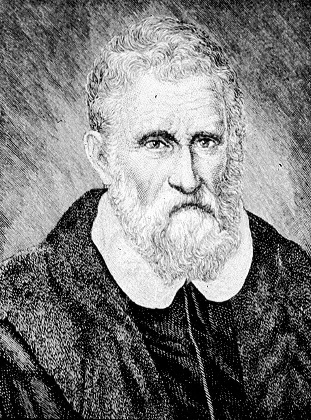



Life and journey
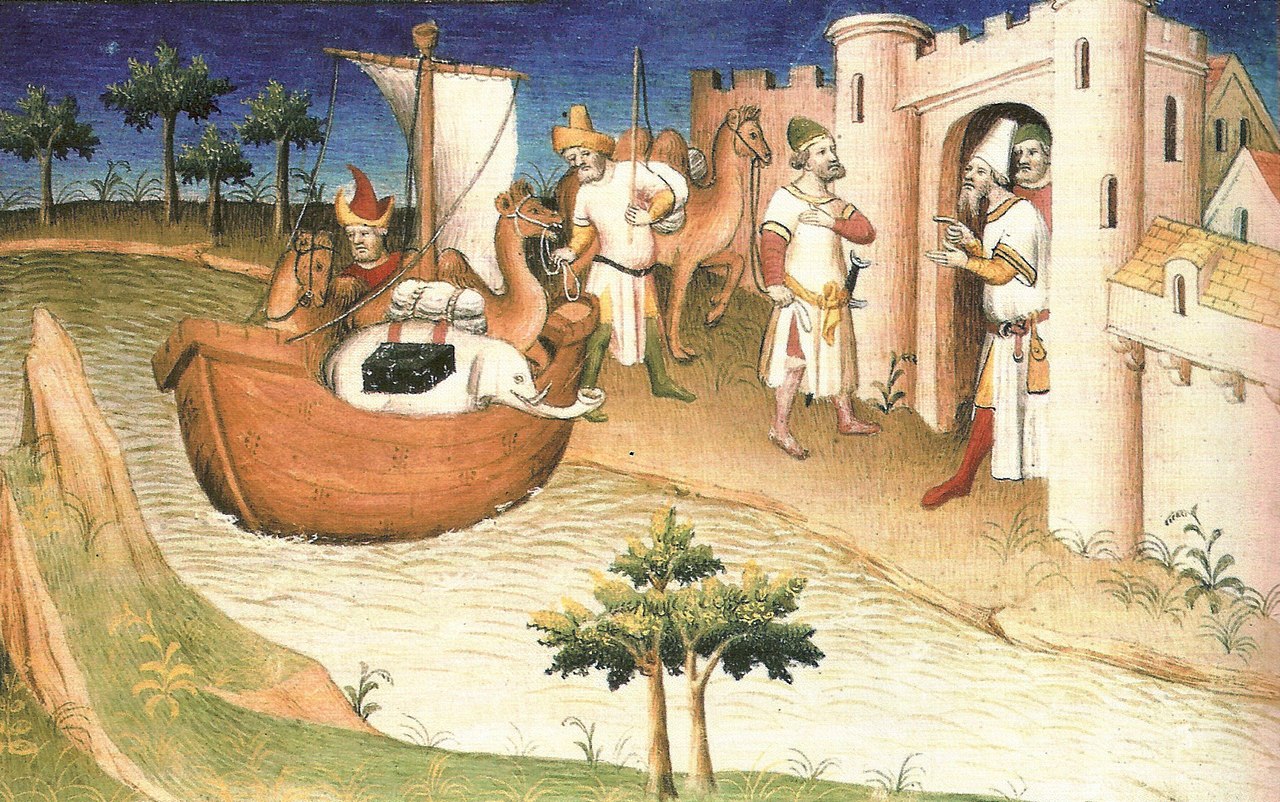
Polo left Venice as a young man in the early 1270s with his father Niccolò and uncle Maffeo. The family followed trade routes across the eastern Mediterranean, Persia and what is often called Central Asia, eventually reaching the Mongol court. Marco remained in Asia for much of two decades, serving as a merchant, envoy and observer in areas ruled by the Yuan dynasty. He returned to Venice in the 1290s and was later captured in a naval conflict, during which he narrated his travels to a fellow prisoner who wrote them down.
The book and its content
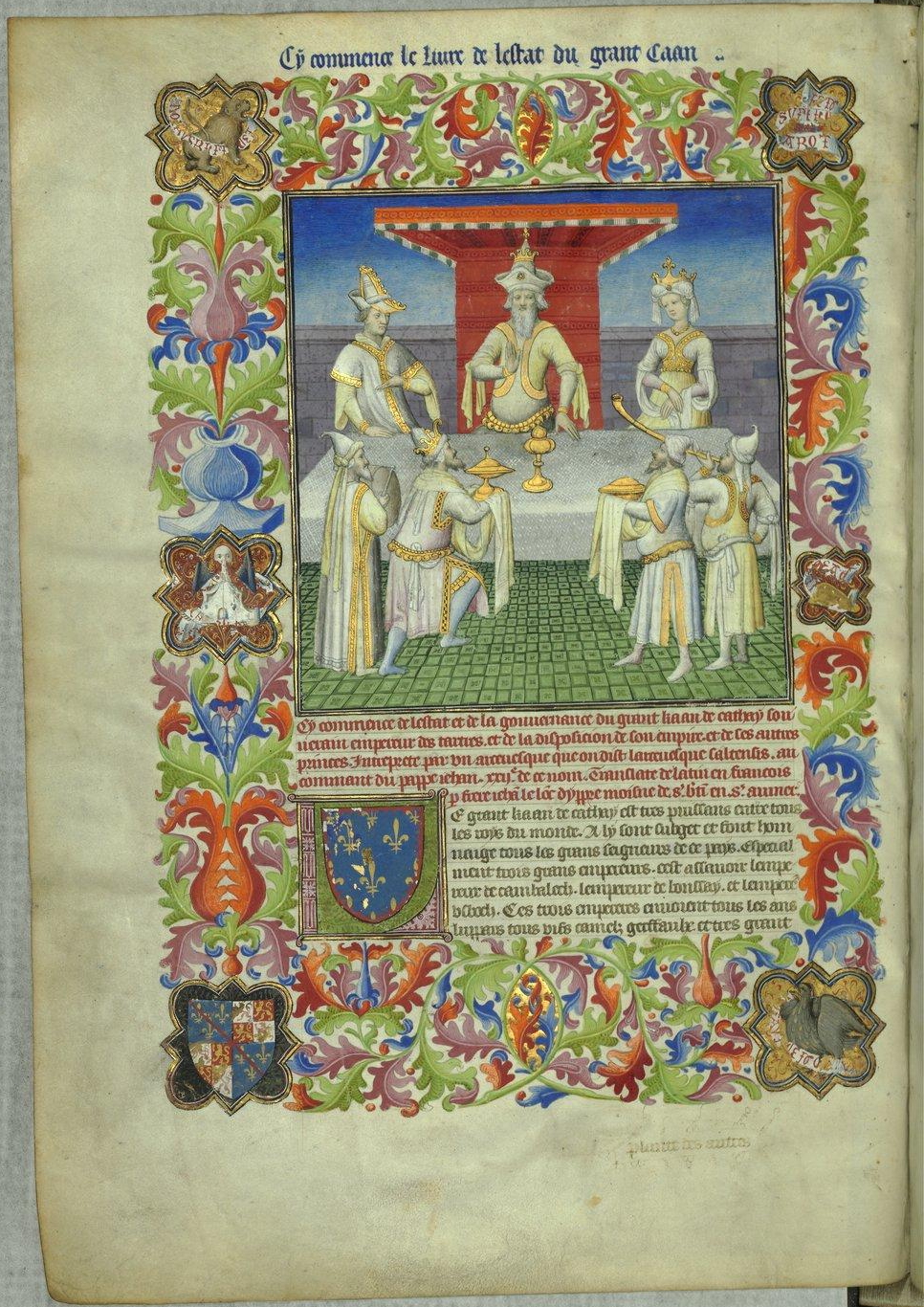
The narrative known in English as The Travels of Marco Polo (Italian: Il Milione) mixes descriptions of geography, court life, trade goods and customs. It introduced many Europeans to Chinese cities, the use of paper money, silk production and exotic spices. The book was composed with the help of a writer while Polo was imprisoned and circulated in several medieval manuscript versions and translations.
Legacy, influence and debates
Polo's account influenced mapmakers and later explorers; for example, Christopher Columbus is known to have read versions of Polo's work. Scholars value the book for its detailed observations but also debate its accuracy. Critics point to notable omissions and possible secondhand reporting, while others argue it remains a valuable eyewitness source for the Mongol world.
Characteristics and notable facts
- Occupation: Venetian merchant and travel envoy; often described as a trader and explorer.
- Routes: Overland and maritime paths linking Europe with the courts and markets of the Mongol Empire and East Asia.
- Language and culture: Polo likely knew several languages and acted as an intermediary between Eurasian cultures, though precise linguistic claims are uncertain.
Why Marco Polo matters
Polo's record helped expand European knowledge of Asia at a time of growing long-distance trade. Whether wholly literal or partly compiled from other sources, his account stimulated curiosity, commerce and later voyages that reshaped Eurasian connections.
Questions and answers
Q: Who was Marco Polo?
A: Marco Polo was an Italian trader and explorer who lived from 1254 to 1324.
Q: What is Marco Polo known for?
A: Marco Polo is known for being one of the first Europeans to explore Central Asia and East Asia, and for his book, Travels of Marco Polo, where he talked about Asia.
Q: How many languages could Marco Polo speak?
A: Marco Polo could speak four languages.
Q: When was Marco Polo born and when did he die?
A: Marco Polo was born on September 15, 1254, and he died on January 8, 1324.
Q: Who looked up to Marco Polo?
A: Many other explorers, including Christopher Columbus, looked up to Marco Polo.
Q: Where did Marco Polo explore?
A: Marco Polo explored Central Asia and East Asia.
Q: What did Marco Polo write about in his book, Travels of Marco Polo?
A: In his book, Travels of Marco Polo, Marco Polo wrote about his experiences exploring Asia.
Related articles
Author
AlegsaOnline.com Marco Polo: Venetian merchant, traveller and chronicler of 13th-century Asia Leandro Alegsa
URL: https://en.alegsaonline.com/art/61674
Sources
- Marco Polo
- wikidata.orgQ6101.html : wikidata.orgq6101.html
- authority.bibsys.no : 90305873
- bncatalogo.cl : 000036620
- catalogo.bne.es : XX894006
- catalogue.bnf.fr : cb11920191p
- data.bnf.fr : (data)
- cantic.bnc.cat : a10785681
- ci.nii.ac.jp : DA01693682
- d-nb.info : 118595563
- isni.org : 0000 0003 5589 5756
- id.loc.gov : n79055818
- kopkatalogs.lv : 000026625
- id.ndl.go.jp : 00453065
- aleph.nkp.cz : jn19990005385