
Kofun: Ancient Japanese Burial Mounds and Keyhole Tumuli
Kofun are large earthen burial mounds built in Japan from the 3rd to 7th centuries, notable for keyhole shapes, haniwa figures, burial chambers and their role in the Kofun period.
Overview: Kofun (古墳) are prehistoric burial mounds built across Japan between roughly the early 3rd century and the early 7th century. The term covers a broad class of funerary earthworks or earthen tombs and tumuli created for elite individuals. The presence and scale of kofun are the defining feature of the historical Kofun period, commonly dated from the middle 3rd century to the early-middle 6th century in conventional chronology.
Image gallery
10 Images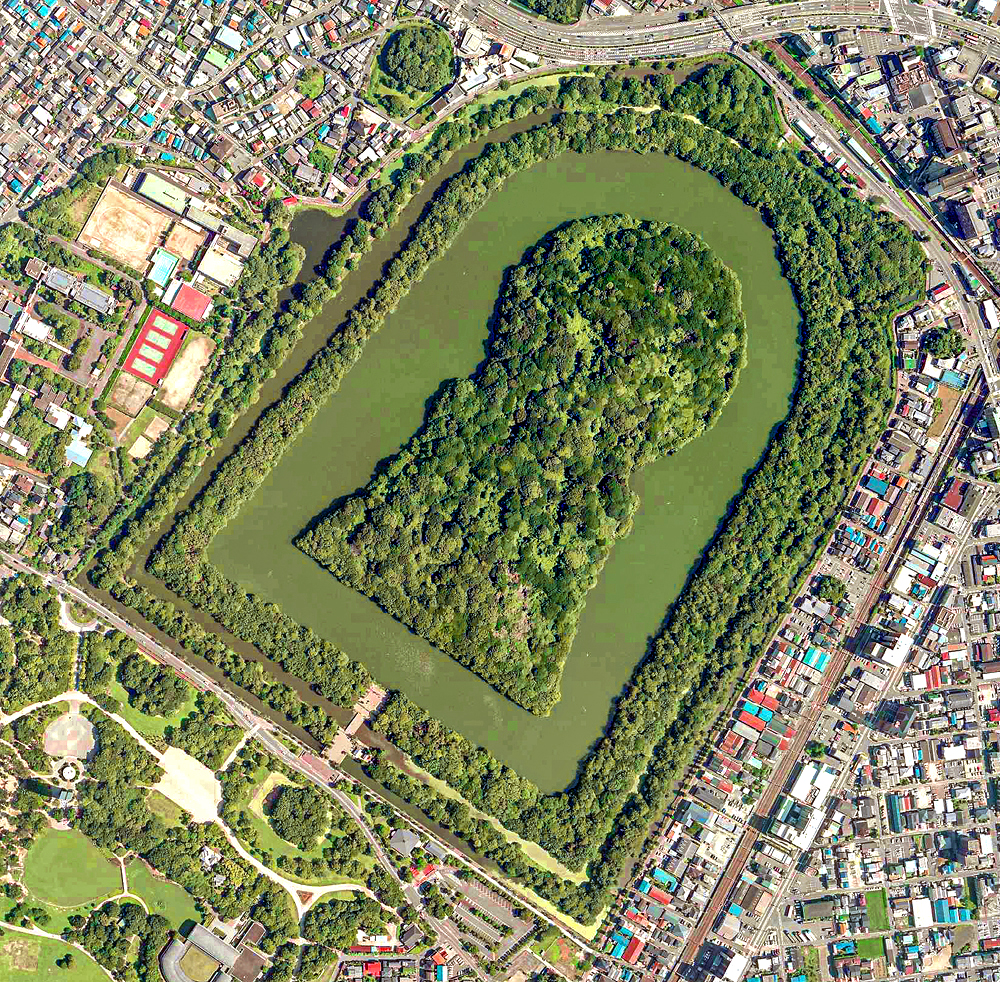



Form and construction
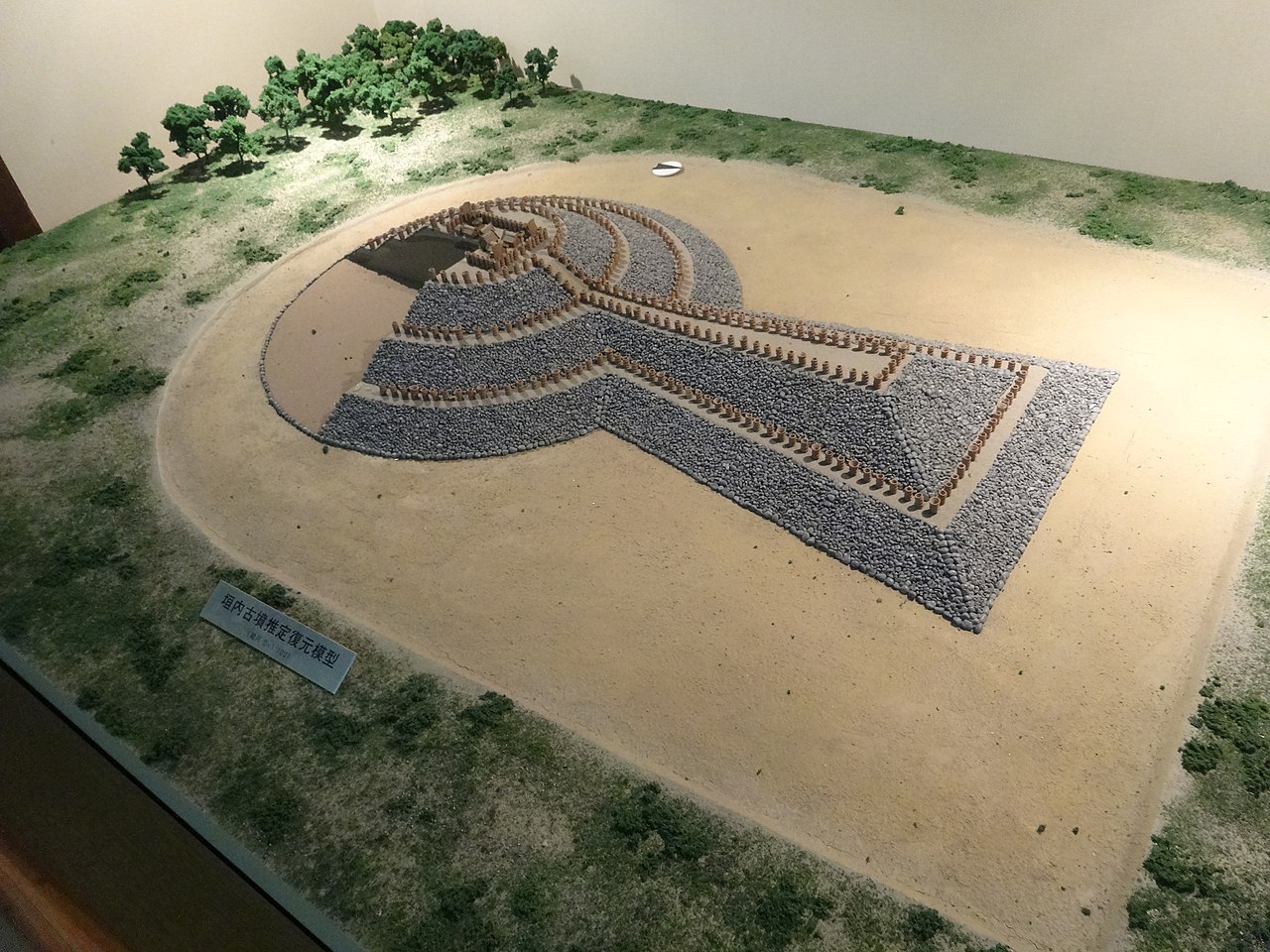
Kofun vary widely in size, from small mounds to immense earthworks covering many hectares. A distinctive type is the keyhole-shaped mound — called zenpō-kōen-fun — combining a rectangular front with a circular rear; this layout is unique to ancient Japan and is linked to political and ritual display. Many kofun include one or more surrounding moats, layered fills, and internal burial chambers constructed of stone or wood.
Funerary features and artifacts
Inside kofun archaeologists commonly find grave goods such as bronze mirrors, iron weapons, beads and jewelry, and pottery. Clay figures called haniwa were placed on and around mounds; they may represent houses, animals, warriors or attendants and are important sources for understanding contemporary dress, armor and ritual practice.
History and cultural significance
Kofun reflect social hierarchy and the consolidation of regional power in early Japan. Large mounds are often interpreted as the tombs of rulers or powerful families; some famous examples are traditionally associated with early emperors. Scholars study their distribution, construction techniques and goods to trace connections with the Korean peninsula and continental Asia as well as internal political developments.
Examples, preservation and distinctions
- Keyhole-shaped kofun: the best-known and emblematic form (zenpō-kōen-fun).
- Regional and size variations: small circular and scalloped types appear alongside massive mounds.
- Conservation: many kofun survive as protected historic sites; some cannot be fully excavated for cultural and legal reasons.
Kofun remain a central subject for understanding Japan's transition from clan-based polities to more centralized rule. For introductions and detailed site lists see overviews and databases linked through academic and cultural resources (earthen tombs, tumuli surveys, national summaries).
Related articles
Author
AlegsaOnline.com Kofun: Ancient Japanese Burial Mounds and Keyhole Tumuli Leandro Alegsa
URL: https://en.alegsaonline.com/art/54096