
Kofun period (Japan, c. 250–538 CE)
Japanese archaeological period named for large burial mounds (kofun). Marks emergence of Yamato polity, distinctive keyhole tombs, haniwa figures, continental contacts, and social stratification.
Overview
The Kofun period is an archaeological and historical era in early Japan conventionally dated from about 250 to 538 CE. It takes its name from the monumental burial mounds known as kofun, which dominate the landscape of central and western parts of the archipelago. This span of years is treated as a distinct grouping by scholars because of shared material culture and the appearance of larger, more hierarchical polities in what is now Japan.
Image gallery
10 Images





Key features and material culture
The period is defined by several characteristic features that appear together across many sites:
- Large burial mounds, often shaped like a keyhole when seen from above (zenpō-kōen-fun), alongside round and square tumuli.
- Haniwa—terracotta clay figures placed on and around tombs—ranging from simple cylinders to modeled humans, animals, and houses.
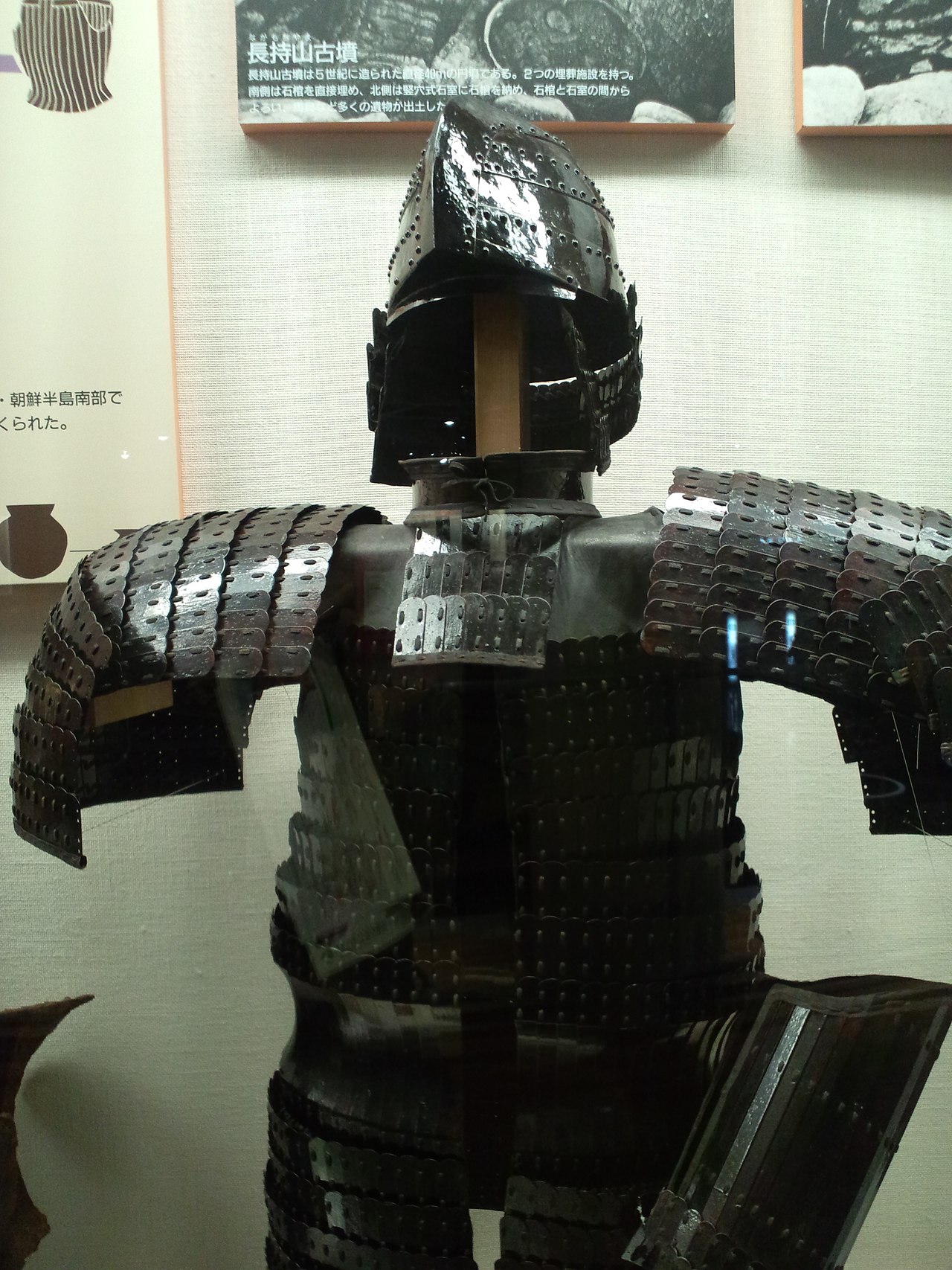
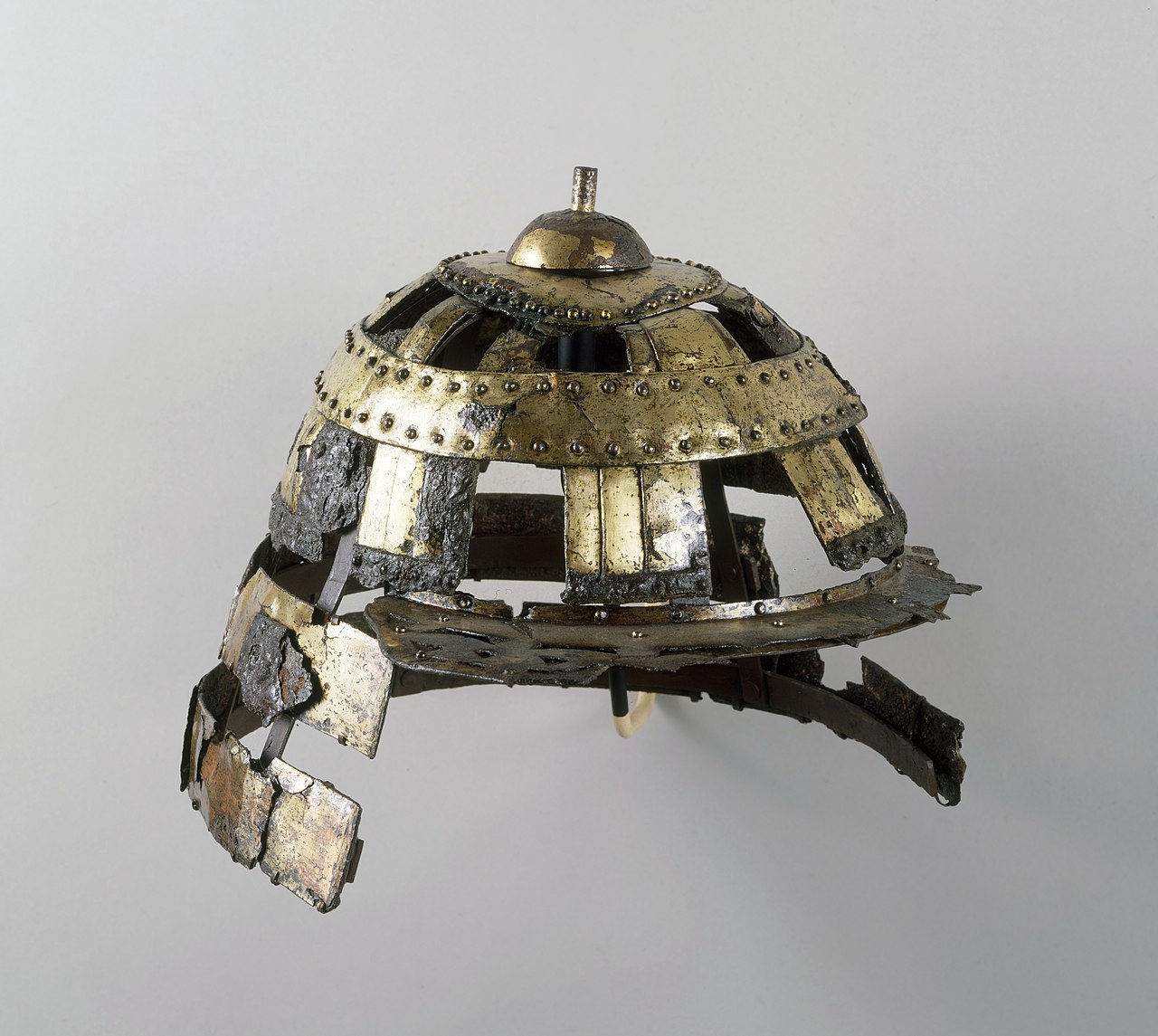
- Rich grave goods including bronze mirrors, iron weapons and tools, magatama and glass beads, and horse-related equipment, reflecting wealth and status.
- Evidence of increased social stratification and the appearance of a ruling elite frequently referred to as the Yamato polity.
History and development
The Kofun era follows the Yayoi period and precedes the Asuka period. It records the consolidation of local chiefdoms into larger political units centered in the Kinai region (around present-day Nara and Osaka). Contacts with the Korean peninsula and China intensified during this time, bringing technologies such as ironworking and new styles of burial and ritual. The traditional end date for the Kofun period is tied to the introduction of Buddhism and administrative reforms in the mid-6th century, which usher in the Asuka period.
Archaeology and significance
Archaeological study of kofun has revealed much about early state formation in Japan: settlement patterns, craft specialization, long-distance exchange, and ritual practices. Excavations and surveys use aerial photography, geophysical methods, and careful stratigraphic recording to study tomb construction and associated artifacts. Because many kofun are imperial or otherwise protected, access and excavation are often restricted, so non-invasive methods are important.
Notable sites and distinctions
Some kofun are among the largest tombs in the world by volume, and several groups of tumuli have been recognized for their outstanding universal value. The Mozu-Furuichi clusters and other large mounds in the Kinai region are widely cited examples. Distinctions between Kofun and adjacent periods include the scale and form of tombs, the prevalence of haniwa, and the emergence of a more centralized elite government that paved the way for the subsequent Asuka reforms.
Further reading
Readers seeking an introduction can consult general surveys of early Japanese archaeology and histories of the Yamato state. Scholarly literature addresses regional variation across the archipelago, the chronology of mound construction, and the role of international contacts in shaping Kofun elites.
Related articles
Author
AlegsaOnline.com Kofun period (Japan, c. 250–538 CE) Leandro Alegsa
URL: https://en.alegsaonline.com/art/54095
Sources
- lcweb2.loc.gov : "Kofun and Asuka Periods,"
- lcweb2.loc.gov : Library of Congress Country Studies, Japan