
Lahore Museum (Ajaib Ghar)
Major public museum in Lahore, Pakistan, noted for South Asian and Gandharan collections, colonial-era origins, and an educational role in art, archaeology and cultural heritage preservation.
Overview
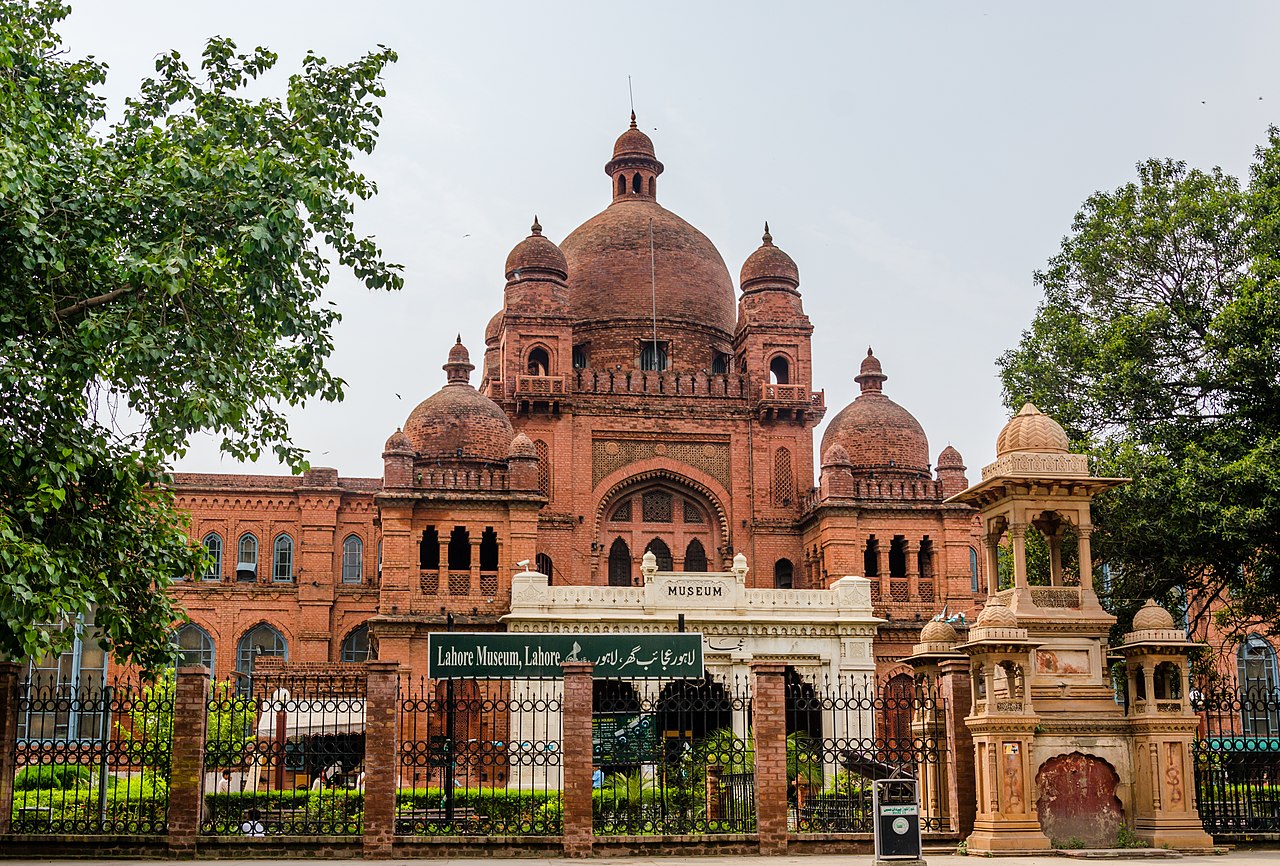
The Lahore Museum, locally known as Ajaib Ghar, is a major public museum in the city of Lahore. It cares for a wide-ranging collection of art, archaeological material, manuscripts and objects of daily life from across the Indian subcontinent. Established through museum and archaeological initiatives that grew during the late nineteenth and early twentieth centuries, the institution has long been a focal point for learning about regional history and material culture.
Image gallery
10 Images





Collections and highlights
The museum's holdings span many periods and traditions and are arranged to support both general visitors and specialist study. Major areas include:
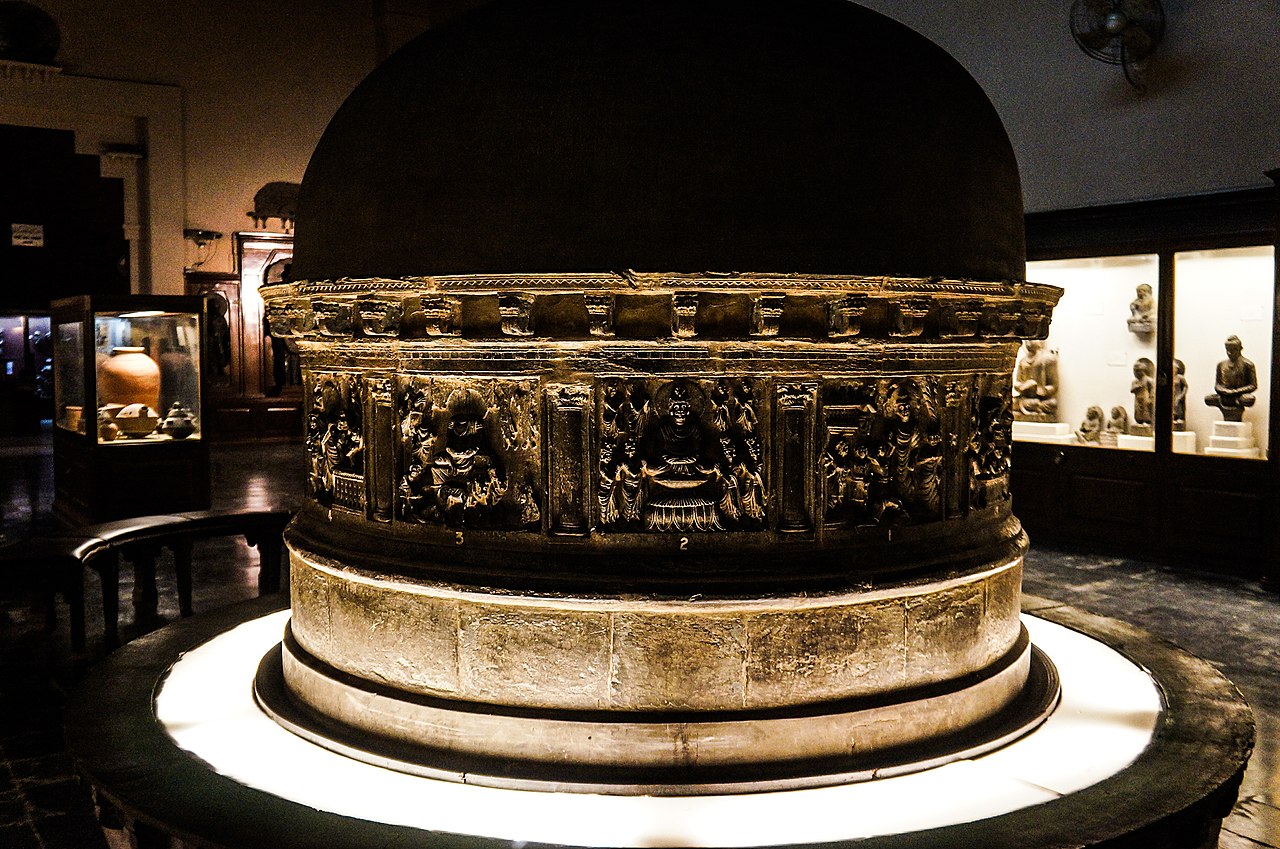
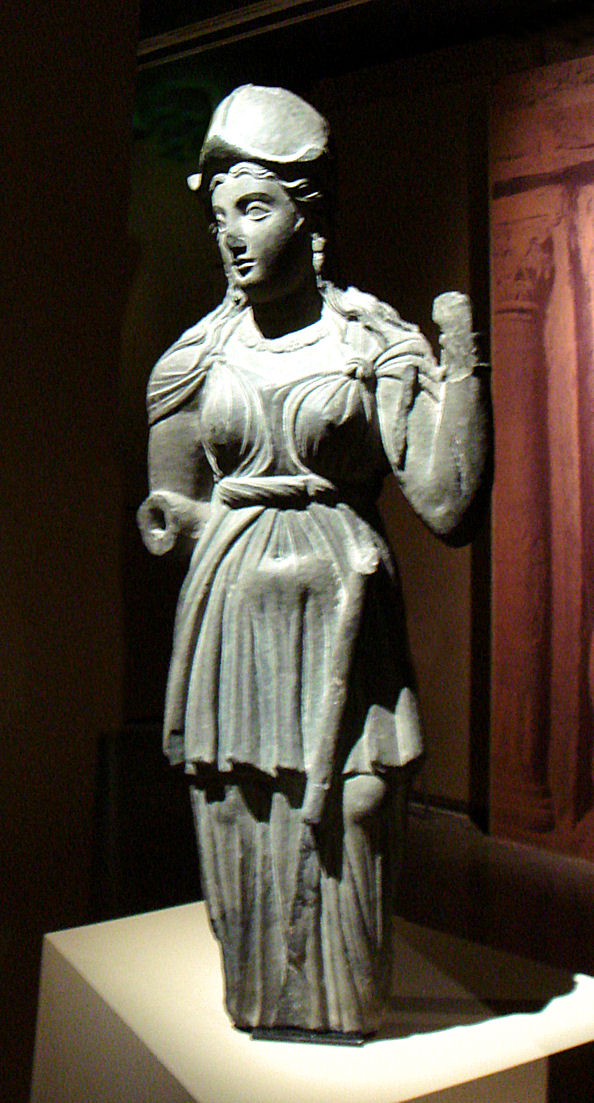
- Gandharan and Buddhist sculpture — stone reliefs and figures reflecting the Greco-Buddhist artistic interactions of northwestern South Asia.
- Mughal, Sikh and regional paintings — miniature painting traditions, courtly portraiture and illustrative art from several centuries.
- Islamic art and manuscripts — Qur'anic manuscripts, calligraphic panels and decorative objects showing varied calligraphic and ornamental practices.
- Archaeology, coins and arms — finds from local excavations, historic coinages and examples of traditional weaponry and metalwork.
- Ethnography and textiles — garments, textiles and household items that document patterns of everyday life and craftsmanship.
History and architecture
The museum developed from colonial-era efforts to document and preserve antiquities and local arts. Its present premises are a notable civic building from that period and are regarded as part of the city's architectural heritage. Over time the institution expanded through acquisitions, archaeological surveys and donations, and its galleries reflect changing museum practice and conservation standards.
Role and significance
The Lahore Museum functions as an educational resource, research centre and public gallery. It supports study in archaeology, art history, conservation and related disciplines, and it regularly hosts temporary exhibitions, catalogues and outreach programmes. Its collections provide important primary material for understanding religious, artistic and social developments across centuries in the region.
Visiting and further information
The museum is open to the public and is frequently included on cultural itineraries and academic visits. For comparative historical context see resources on British India, and for contemporary national context see material on Pakistan. Visitors and researchers should consult official museum sources or local guides for up-to-date opening times, entry arrangements and details of study services.
Related articles
Author
AlegsaOnline.com Lahore Museum (Ajaib Ghar) Leandro Alegsa
URL: https://en.alegsaonline.com/art/55424