
Kumamoto Castle
Kumamoto Castle is a major Japanese castle in Kumamoto city, famed for its imposing stone walls, historic wooden keeps, gardens and ginkgo trees; it is a popular cultural landmark and tourist destination.
Kumamoto Castle is an iconic fortress located in Kumamoto city on the island of Kyushu. Built in the early Edo period by the warlord Kato Kiyomasa, the castle is celebrated for its imposing stone ramparts, complex defensive layout and the visual contrast between dark timbers and pale plaster. The castle grounds are also known for extensive tree plantings, including many ginkgo trees that color the site in autumn; this has led some visitors to refer to it informally as "Ginkgo Castle." Learn more.
Image gallery
10 Images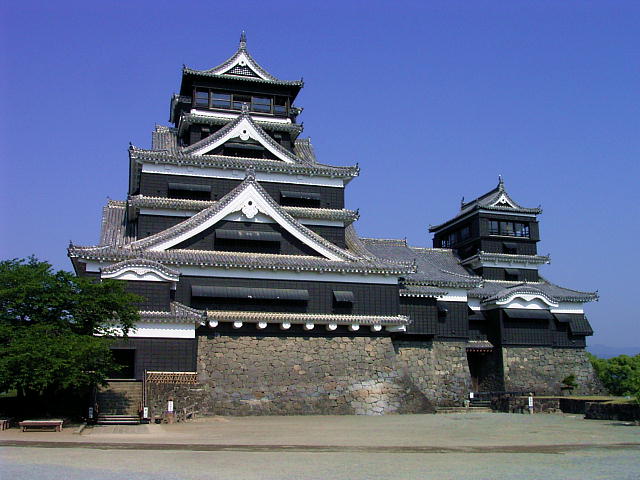


Architecture and features
Kumamoto Castle's design emphasizes defense: steep, curved stone bases (musha-gaeshi) make the walls difficult to scale, and a network of baileys, turrets and gatehouses creates overlapping fields of fire. The complex historically included multiple yagura (watchtowers), a main keep, and subsidiary structures arranged to control approaches to the inner compound. Visitors today can still appreciate the size of the stonework, reconstructed timber structures and the spatial organization typical of large Japanese castles.
History and preservation
Constructed in the early 1600s, the castle served as a regional seat of power through the Edo period. It experienced serious damage during conflicts and the modernization era, and more recently sustained extensive damage in the 2016 Kumamoto earthquakes, prompting large-scale repair and restoration efforts. Conservation projects since then have aimed to stabilize historic masonry, restore wooden buildings and reopen parts of the site to the public while documenting the process for education and research. For context on castles of Japan, see related resources.
Uses, tourism and cultural importance
Today Kumamoto Castle functions as a museum and public park, hosting seasonal events, exhibitions about feudal history and educational programs. It is a popular destination for cherry-blossom viewing in spring and for autumn foliage around the ginkgo collection. The site is an important symbol for the city and region, drawing domestic and international visitors and serving as a center for heritage outreach.
Notable facts
- The castle is frequently ranked among Japan's most renowned castles for its scale and stonework.
- Extensive restoration work following earthquake damage has become part of public interpretation of the site.
- Many visitors note the ginkgo trees and seasonal color; additional information on the plantings is available at garden resources.
Careful conservation continues to balance historic authenticity, safety and visitor access so that Kumamoto Castle remains both a living cultural resource and a testament to Japan's castle-building tradition.
Related articles
Author
AlegsaOnline.com Kumamoto Castle Leandro Alegsa
URL: https://en.alegsaonline.com/art/54583
Sources
- commons.wikimedia.org : Kumamoto Castle
- manyou-kumamoto.jp : manyou-kumamoto.jp
- kumamotokokufu-h.ed.jp : kumamotokokufu-h.ed.jp
- castle.link-hp.net : castle.link-hp.net
- tools.wmflabs.org : 32°48′22″N 130°42′21″E / 32.806063°N 130.705972°E / 32.806063; 130.705972