
Tumulus (burial mound)
Earthen or stone mounds constructed over graves from prehistory to historic periods; covers types, regional variations, archaeology, construction, and conservation.
Overview
A tumulus (plural: tumuli) is a mound of earth, stone or both erected over one or more human burials. The term derives from Latin and is used by archaeologists and historians to describe funerary monuments found worldwide. Tumuli mark graves, commemorate individuals or groups, and form visible focal points in ritual landscapes. For brief definitions and general background see definition resources.
Image gallery
10 Images




Forms and components
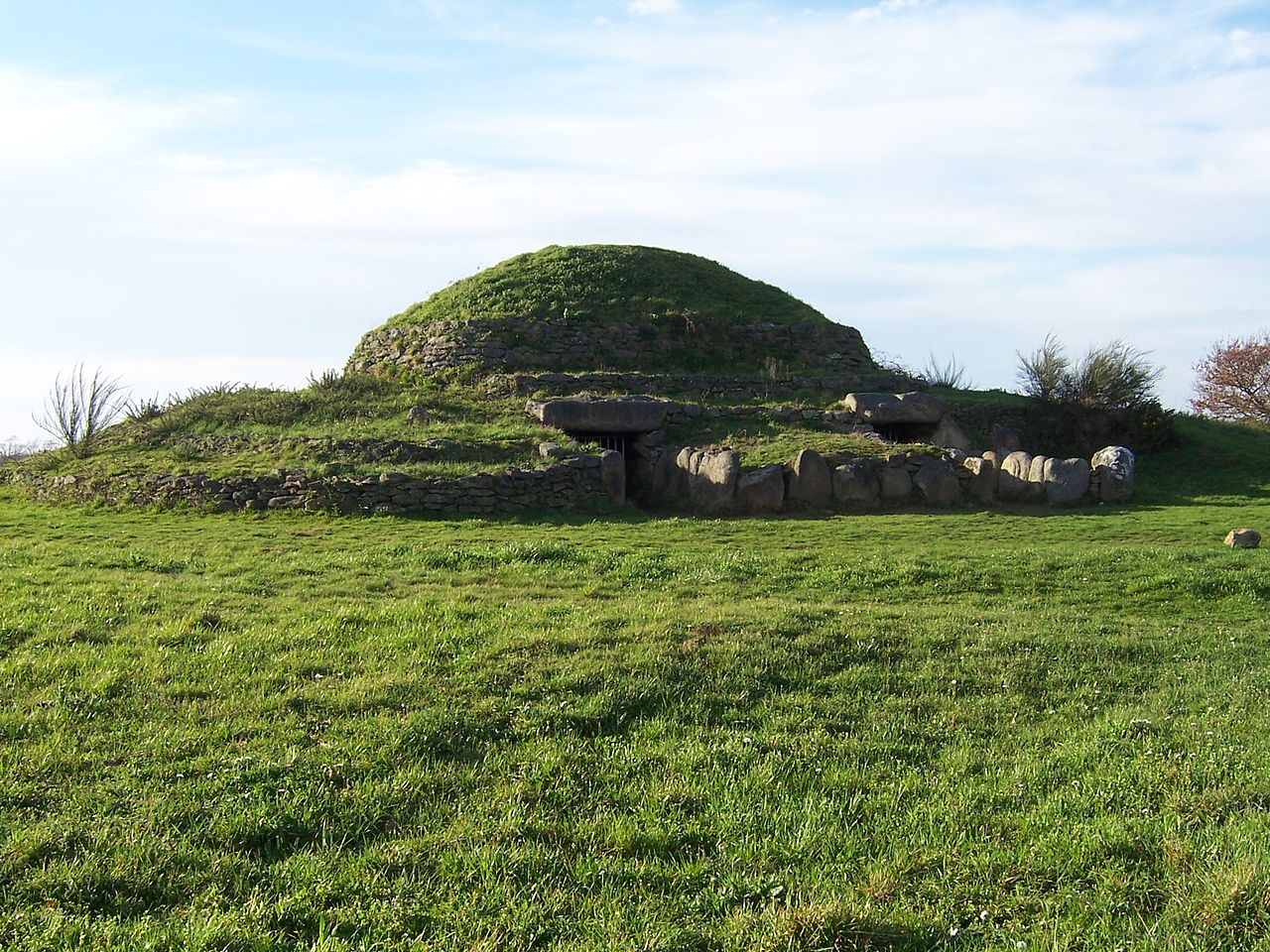
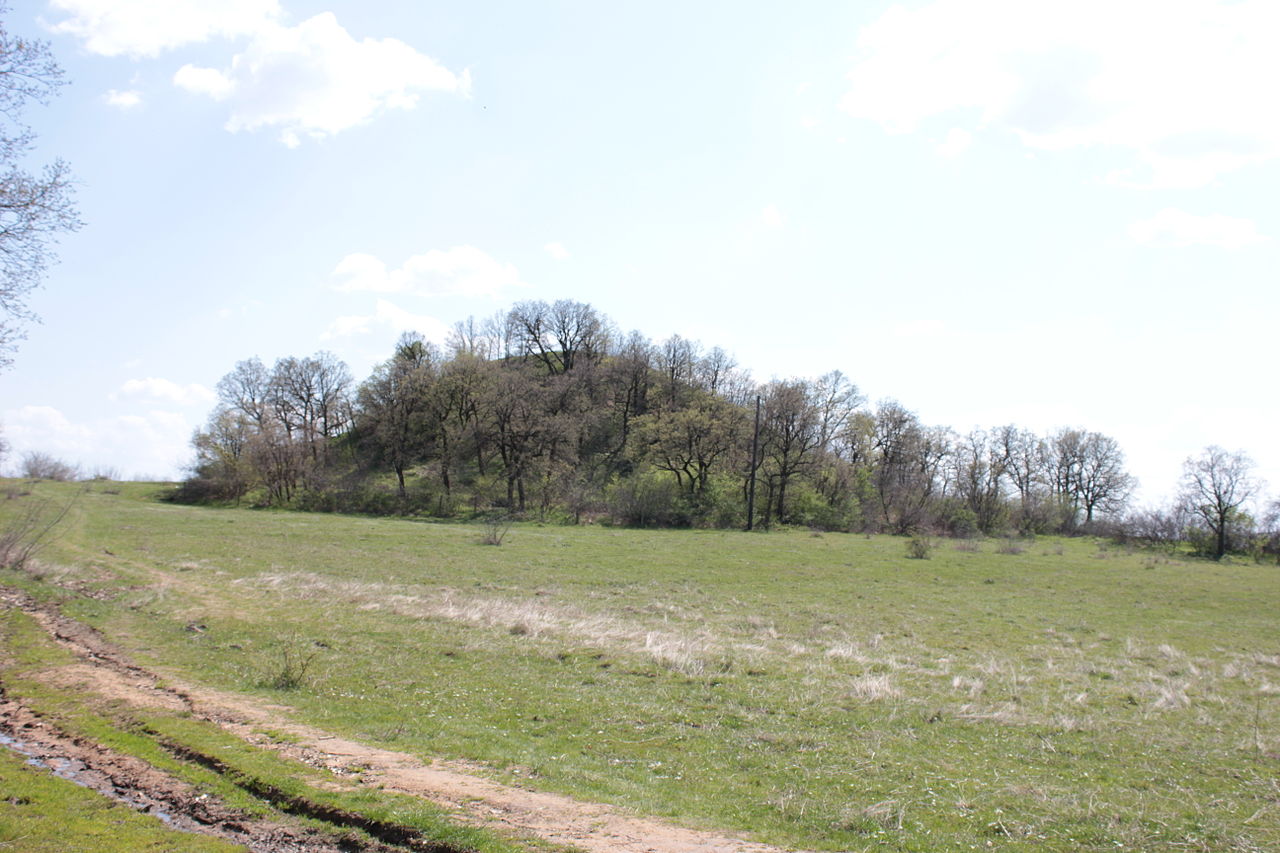
Tumuli range from small, simple mounds to large, complex monuments with internal chambers. Typical components include a burial pit or constructed chamber, a covering mound, and often a surrounding kerb, cairn or ditch. Burial types vary: primary inhumations, cremation remains placed in urns, secondary deposits, and rich grave assemblages. Structural types include:
- Round barrows — circular mounds common in many Bronze Age contexts.
- Long barrows — elongated mounds often used for collective burial in the Neolithic.
- Passage graves — with a passage leading to a chamber, sometimes aligned to celestial events.
- Kurgans and kofun — regionally distinctive mound forms of the Eurasian steppe and Japan respectively.
History and regional distribution
Tumuli appear from the later Stone Age through historical periods. They were particularly widespread in Neolithic and Bronze Age Europe, but also occur across the Near East, Central and East Asia, Africa and the Americas. Distinct regional traditions produced characteristic shapes and burial practices: for example, stone-built passage tombs in Atlantic Europe, earthen kurgans on the steppe, and the keyhole-shaped mounds of Japan’s Kofun period. Broad chronological surveys and regional studies are summarized in sources on prehistoric periods and in accounts of later developments at later age studies.
Archaeological study and dating
Tumuli are important to archaeology because they can preserve human remains, artifacts and stratified deposits that inform on mortuary practice, social hierarchy and material culture. Excavation, stratigraphic recording, radiocarbon dating and non-invasive methods such as geophysical survey and aerial remote sensing are routinely used to investigate mounds. Scientific analyses of bones, artifacts and ancient DNA increasingly contribute to understanding ancestry, diet and social connections.
Construction, meaning and conservation
Construction methods reflect available materials and social organization: timber, stone or earth may be used to create chambers, retaining walls or kerbs. Tumuli can signify territorial claims, commemorate leaders or serve collective memory roles. Conservation and legal protection are important because mounds are vulnerable to farming, development, looting and erosion. Professional guidance on excavation ethics and treatment of human remains is available in specialist literature and resources on funerary finds at materials on funerary finds.
Notable contexts and associations
Many tumuli sit within broader ritual landscapes and are associated with standing stones, stone circles or alignments. Their study connects landscape archaeology, osteology and cultural history. Summaries of megalithic associations and stone settings can be consulted at megalithic contexts.
Related articles
Author
AlegsaOnline.com Tumulus (burial mound) Leandro Alegsa
URL: https://en.alegsaonline.com/art/102011