
6th century (501–600)
The 6th century (501–600 CE) was a transitional era of political realignment, religious change, epidemics and cultural continuity, marked by Byzantine restoration, the Plague of Justinian and Chinese reunification under the Sui.
Overview
The 6th century covers the years from 501 to 600. It was a period of transition between the late antique world and emerging medieval structures across Eurasia and the Americas. Imperial ambition, migratory pressures, commercial exchange and epidemic disease combined to reshape populations, institutions and cultural connections. Long-lived traditions continued even as new polities and religious forms consolidated authority.
Image gallery
5 Images


Politics and state formation
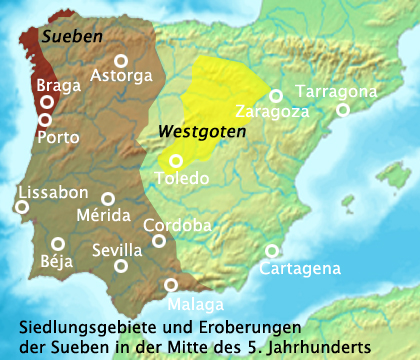
In the Mediterranean the Eastern Roman (Byzantine) Empire under Justinian I (reigned mid‑6th century) pursued reconquest of former western provinces, sponsored major building projects such as the rebuilt Hagia Sophia, and ordered the compilation of Roman law known as the Corpus Juris Civilis. Germanic successor kingdoms in western Europe — Franks, Visigoths, Ostrogoths, Lombards and others — established new political orders. The Lombard arrival in Italy and ongoing Byzantine–Sasanian rivalry in the east were central political themes.
Religion, intellectual life and law
Christianity continued to consolidate across Europe and the Mediterranean, with growing influence of monasticism; the Rule attributed to St. Benedict became a formative guide for Western monastic life. Intellectual figures such as Boethius and Cassiodorus transmitted classical learning. Legal, liturgical and administrative reforms in several states shaped governance and social norms.
Economy, trade and technology
Long‑distance trade across the Mediterranean, Indian Ocean and overland Silk Road routes remained important despite regional disruption. Urban centers saw fluctuating fortunes: some cities contracted after warfare and disease, while others adapted as regional market hubs. Artisans, shipbuilding and agricultural practices continued to evolve, sustaining trade networks that connected Europe, Africa and Asia.
Health and demographic change
The mid‑6th century was marked by the pandemic commonly called the Plague of Justinian, which began in the 540s and recurred in waves thereafter. Contemporary and later sources, together with archaeological evidence, indicate substantial mortality in parts of the Mediterranean and beyond; these losses affected labor supplies, military capacity and economic patterns.
East and South Asia
In China the Sui dynasty was founded in 581 and by the close of the century the process of political reunification under Sui rule set the stage for later Tang developments. Buddhism continued to spread in East and Southeast Asia, influencing art, literacy and political life. On the Indian subcontinent and in Southeast Asia, a mosaic of regional kingdoms maintained trade, religious exchange and local cultural innovation.
Other regions
- Africa: North African provinces experienced shifts in control and population as Byzantine and local polities interacted with Berber groups.
- Arabian Peninsula: Tribal networks and trade routes linked Arabia to the broader Afro‑Eurasian economy, setting social conditions that would change in the following century.
- Americas: Independent cultural trajectories continued; in Mesoamerica, Classic Maya polities carried on regional political and artistic developments.
Legacy
The 6th century acted as a hinge between eras: legal codification, religious institutions, material culture and demographic shifts established patterns that influenced medieval societies. For concise timelines and further reading, see a general overview of the 6th century.
Related articles
Author
AlegsaOnline.com 6th century (501–600) Leandro Alegsa
URL: https://en.alegsaonline.com/art/113030