
Kronborg Castle — Danish Renaissance fortress at Helsingør
Kronborg is a prominent Renaissance castle in Helsingør, Denmark, guarding the Øresund; noted for its military history, association with Shakespeare's Hamlet, and status as a UNESCO World Heritage Site.
Overview
Kronborg is a major historic castle located at the northeastern tip of the Danish island of Zealand, beside the town of Helsingør. It stands at the narrowest point of the Øresund, the strait that separates Denmark and Sweden and connects the North Sea with the Baltic Sea. Its position gave it strategic value for controlling maritime traffic and for collecting tolls on ships entering and leaving the Baltic.
Image gallery
10 Images




Architecture and layout
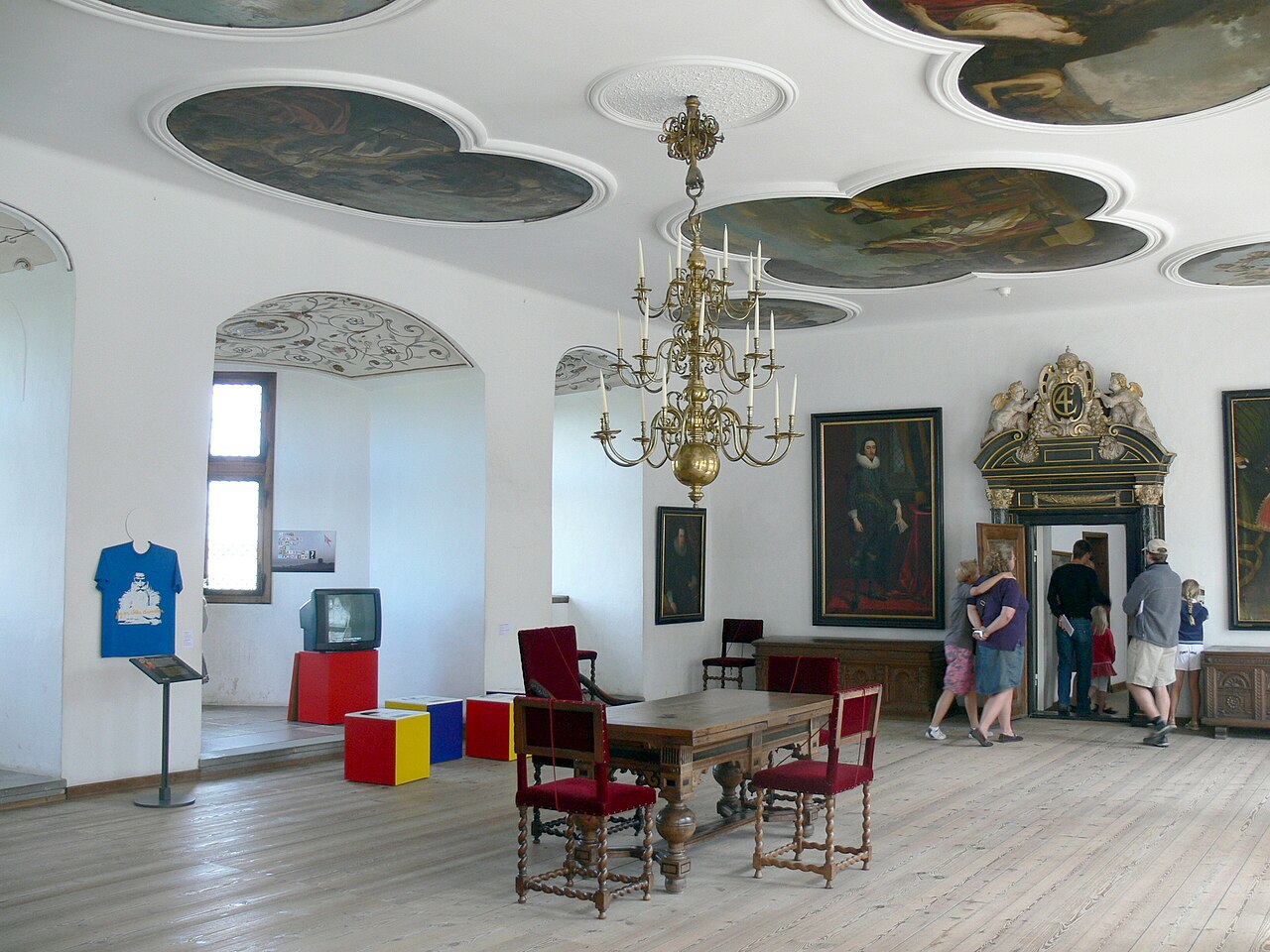
Built and rebuilt in stages, Kronborg is one of the finest examples of northern European Renaissance military architecture. Its design combines a ceremonial royal residence with defensive features such as bastions, curtain walls and a surrounding moat. The castle's imposing façade, ornate royal chambers and preserved artillery positions illustrate how fortifications of the period blended utility and princely display. It is commonly cited among notable castles of the region and a landmark in Northern Europe.
History and development
From the late medieval period onward, Danish monarchs used the site to assert control over the Øresund. In the 16th century major rebuilding converted an older fortress into the Renaissance palace-fortress seen today. Across centuries Kronborg served both as a garrison and as an administrative center where the state enforced maritime tolls and regulated passage through the strait. It has been damaged by fire and warfare at different times and subsequently restored, reflecting changing military technology and royal tastes.
Cultural role and Shakespearean association
Kronborg is widely known outside Denmark by the anglicized name "Elsinore," the setting William Shakespeare used in his tragedy Hamlet. The castle and its grounds have hosted theatrical productions and pageants that draw on that literary link. In modern times the site functions as a museum and cultural venue where visitors can explore royal apartments, fortifications and exhibitions about both local history and the castle's place in literature.
Significance and visiting today
Recognized for its combined historical, architectural and cultural importance, Kronborg was inscribed on the UNESCO World Heritage list. It attracts tourists, researchers and theater audiences, and it remains a focal point for understanding Denmark's maritime past. Practical visitor facilities, interpreted tours and occasional live performances help present the castle's layered stories to a broad public.
Notable facts
- The castle's location at the narrow Øresund made it a center for regulating sea traffic and trade.
- Kronborg combines royal residence spaces with extensive defensive works typical of Renaissance fortification.
- The association with Hamlet has made it one of the best known literary landmarks in Scandinavia.
- Its World Heritage status emphasizes both its architecture and its role in the history of northern maritime control.
Visitors seeking more information can consult local museum resources in Helsingør or national heritage authorities, and explore scholarly and tourist materials linked to the castle and to the broader history of the Øresund and the Baltic Sea.
Questions and answers
Q: What is Kronborg?
A: Kronborg is a castle near the town of Helsingør on the extreme north-east part of Zealand, Denmark.
Q: Why is Kronborg important?
A: Kronborg is important because it is located at the narrowest point of the Øresund, the sound between Denmark and Sweden. In this part, the sound is only 4 km wide. Because of this, it was important to keep a fortress to command one of the few outlets of the Baltic Sea.
Q: What is the significance of Kronborg castle?
A: Kronborg castle has been one of the most important Renaissance castles in Northern Europe for centuries. It was added to UNESCO's World Heritage Sites list on November 30, 2000.
Q: Why do people know Kronborg well as "Elsinore"?
A: People know Kronborg well as "Elsinore" because it is the place where the play Hamlet, Prince of Denmark, written by William Shakespeare, is supposed to have happened.
Q: When was Hamlet first performed in Kronborg castle?
A: Hamlet was performed in Kronborg castle for the first time on the 200th anniversary of the death of William Shakespeare.
Q: Who were some of the players in the first performance of Hamlet in Kronborg castle?
A: The soldiers from the castle were some of the players in the first performance of Hamlet in Kronborg castle.
Q: When did Kronborg castle become a World Heritage Site?
A: Kronborg castle became a World Heritage Site on November 30, 2000.
Related articles
Author
AlegsaOnline.com Kronborg Castle — Danish Renaissance fortress at Helsingør Leandro Alegsa
URL: https://en.alegsaonline.com/art/54489
Sources
- whc.unesco.org : "Kronborg Castle - UNESCO World Heritage Centre"
- commons.wikimedia.org : Kronborg