
Tombs: Forms, Cultural Significance, and Archaeological Preservation
Overview of tomb types, cultural meanings, and preservation: from rock-cut chambers and mausoleums to catacombs, plus archaeological approaches to conserving burial sites and their artifacts.
Tomb refers to a constructed space designed to receive the remains of a deceased person or persons. Compared with an individual grave, a tomb is often more permanent, architecturally defined, and intended to mark or commemorate the dead. The English word derives from the Greek τύμβος (tumbos) and is applied to a wide variety of burial structures across different cultures and historical periods.
Image gallery
10 Images


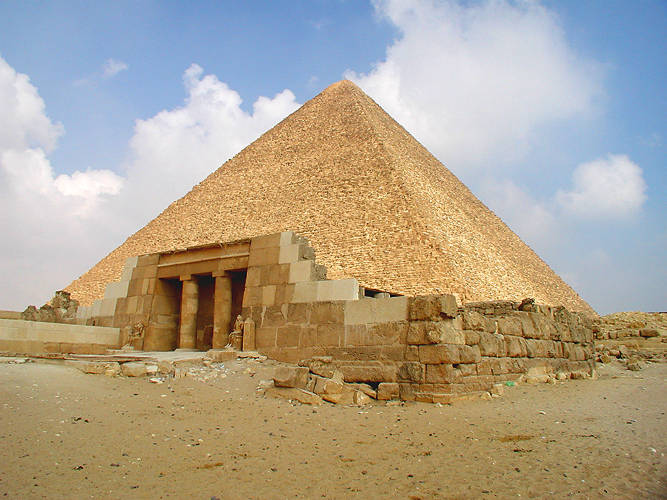
What a tomb can be
Tombs range from simple stone chambers to complex monuments. They may enclose human remains in coffins or sarcophagi, include funerary goods, or hold symbolic memorials. Common forms include:
- Burial chambers cut into rock or built of masonry (for example, chambered tombs and rock-cut tombs)
- Monumental edifices designed as memorials, such as mausoleums and monumental tombs
- Artificial mounds or barrows that cover a burial place
- Underground passageways and communal galleries like catacombs
- Cenotaphs, which are empty monuments erected in memory of the dead
Architectural and cultural roles
Tombs often serve several purposes at once: they protect remains, express beliefs about death and the afterlife, and act as focal points for remembrance. Their design, decoration, and contents reflect social status, religious practice, and regional building traditions. In many societies tombs are intended to be visited by relatives or the public, and they may become important historical and archaeological sources.
How tombs differ from graves
The term grave typically denotes a place where a single burial is made in the ground and may be simple and unadorned. A tomb, by contrast, implies a constructed or enclosed space and frequently carries greater architectural or commemorative ambition. This distinction is not absolute: some tombs are indistinguishable from graves in scale, while some graves receive elaborate markers or monuments.
Preservation and study
Archaeologists and conservators study tombs to learn about past peoples’ funerary customs, health, social organization, and material culture. Because tombs are often sealed and protected, they can preserve organic materials and artifacts that would otherwise have decayed. Conservation of historic tombs balances public access, research needs, and protection of fragile remains and decorations.
Related articles
Author
AlegsaOnline.com Tombs: Forms, Cultural Significance, and Archaeological Preservation Leandro Alegsa
URL: https://en.alegsaonline.com/art/100440