
Knockwurst (knackwurst): the short, smoked German sausage
Short, plump German sausage of pork and veal seasoned with garlic, briefly aged and oak-smoked. Known for a firm snap, rich flavor and versatility in grilling, boiling or serving with sauerkraut.
Overview
Knockwurst, often spelled knackwurst, is a compact, intensely flavored sausage that originated in northern Germany. In North America the name typically denotes a short, plump variety with a coarse texture and pronounced garlic notes. The term is associated with regional recipes from areas such as the Holstein region; its name and production have spread widely through immigration and commercial charcuterie traditions. See a general entry on the product: knockwurst.
Image gallery
3 Images
Characteristics and production
Traditional knockwurst is made from a mixture of meats and seasonings, stuffed into natural hog casings, briefly aged and then smoked. Typical ingredients include:
- Ground veal: a mild, tender component that helps bind the texture (veal).
- Ground pork: provides fat and flavor (pork).
- Fresh garlic and spices for a strong aromatic profile (garlic).
After stuffing, many makers allow the sausages to rest for two to five days before smoking, a short cure that develops flavor and firmness. Smoking is an important finishing step and is commonly performed over hardwood; oak smoke is traditional in many recipes (smoking and oak).
History and name
The name knackwurst derives from German dialects where words like "knack" refer to the cracking sound of a tight casing when bitten. Varieties evolved regionally across northern Germany and were brought to other countries by immigrants. Modern commercial versions vary in seasoning intensity and texture; some are described as highly seasoned or spicy in comparison to milder sausages (seasoned).
Uses and serving
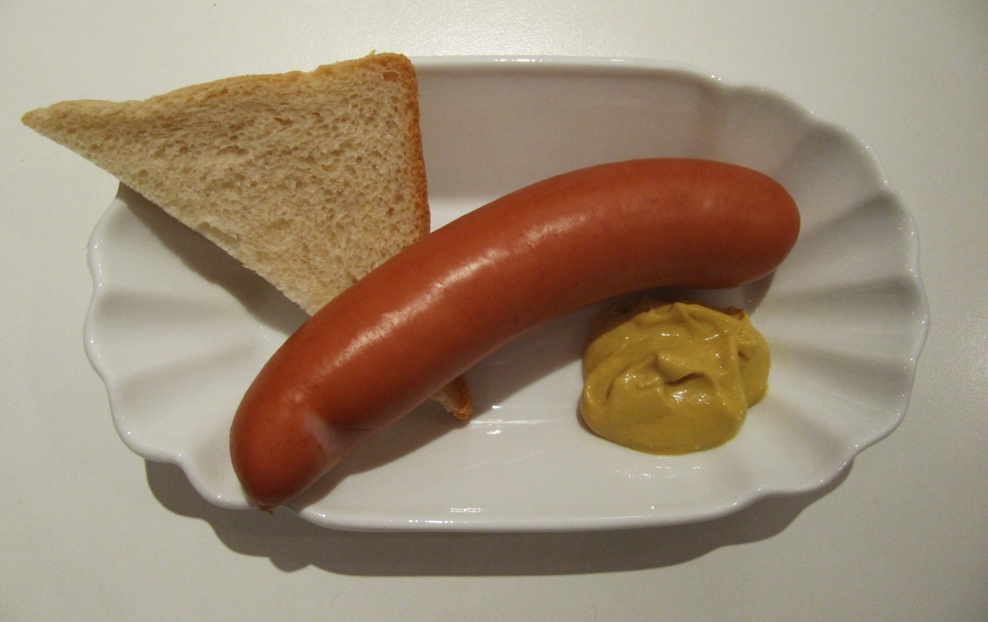
Knockwurst is versatile in cooking and presentation. Common methods include poaching or gentle simmering to finish internal cooking, followed by a quick sear or grill to brown the casing. Typical accompaniments are mustard, sauerkraut, bread rolls or potato salad. It is popular at street stands, beer gardens and home barbecues, where its compact size and rich flavor make it a favorite.
Variations and notable distinctions
Knockwurst is distinct from longer fresh sausages like bratwurst by its shorter, thicker shape, smoked profile and stronger garlic presence. Regional recipes and commercial brands produce a range of textures—from coarse and rustic to finely emulsified—so consumers encounter many legitimate interpretations of the same traditional name.
For further reading on regional types and preparation tips, consult general resources about sausages and smoked meats: origin regions, veal choices, pork cuts, aromatics, smoking techniques, wood selections, and seasoning approaches (seasoning styles).
Related articles
Author
AlegsaOnline.com Knockwurst (knackwurst): the short, smoked German sausage Leandro Alegsa
URL: https://en.alegsaonline.com/art/54004