
Korean food: ingredients, history, regional varieties, and dining customs
An overview of Korean cuisine: core ingredients and techniques, meal structure and etiquette, regional and historical influences, notable dishes, and its global spread.
Overview
Korean food refers to the culinary traditions that developed on the Korean Peninsula over many centuries. It emphasizes balance among flavors and textures, frequent use of fermented foods, and a variety of small side dishes served alongside steamed rice. Meals are often communal, with shared plates and an arrangement of banchan (side dishes) that complement a main soup or grilled item.
Image gallery
10 Images


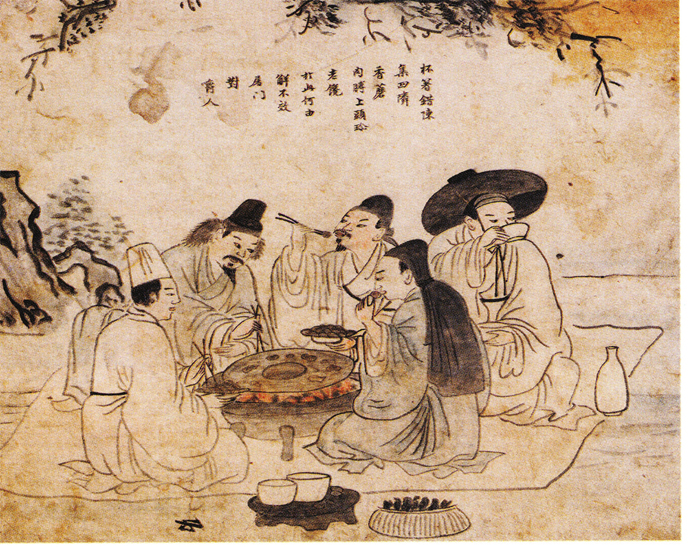


Core ingredients and techniques
Staples include rice, noodles, vegetables, legumes, seafood and meats. Fundamental seasonings and condiments are gochujang (red chili paste), doenjang (soybean paste), ganjang (soy sauce), sesame oil, garlic, ginger and chili flakes. Common techniques are fermenting (for kimchi and pastes), grilling (especially for meats), stewing and quick pan-frying. Preservation—through salting, drying and fermentation—has shaped many traditional flavors and allowed foods to be stored through harsh seasons.
Meal structure and dining etiquette
A typical Korean meal centers on a bowl of steamed rice accompanied by a soup or stew and several banchan. Dishes are arranged so diners can share, and chopsticks with a spoon are the standard utensils. Etiquette varies with context: formal meals observe older-first serving and quieter table manners, while everyday practice is more relaxed. Communal serving and the expectation that kimchi appears at most meals are notable features.
History and regional variety
Korean cuisine evolved through interaction with local environment, seasons and historical contacts. Coastal regions favor seafood and salted or dried preparations; inland and southern provinces emphasize vegetables, rice and spicy condiments. The royal court historically brought together specialties from around the peninsula into elaborate multi-course presentations, while Buddhist temple cuisine contributed vegetarian techniques and seasonal restraint.
Notable dishes and contemporary importance
Some widely known dishes include kimchi (fermented vegetables), bibimbap (mixed rice with vegetables and often an egg), bulgogi (marinated grilled beef), japchae (stir-fried glass noodles), tteokbokki (spicy rice cakes) and various jjigae (stews). In recent decades Korean food has spread internationally through restaurants, packaged products and the influence of popular culture, leading to both faithful traditional restaurants and modern fusion interpretations.
Distinctive aspects and cultural notes
Fermentation is a distinguishing trait, valued for flavor, nutrition and preservation. Meals are often seasonal: spring greens, summer vegetables, autumn harvest dishes and winter-preserved kimchi and jang (fermented condiments). There are also distinct strands such as royal court cuisine, temple cuisine, and regional specialties that continue to be celebrated domestically and abroad.
Further reading and resources
- Origins and development of Korean cuisine
- Environmental influences on Korean food
- Political and historical factors
- Cultural contexts and rituals
- Rice in Korean meals
- Noodles and preparations
- Vegetable use and side dishes
- Meat and seafood traditions
- Banchan: the side-dish culture
- Steamed rice and staple dishes
- Kimchi: fermentation and varieties
- Sesame oil and finishing flavors
- Doenjang and soybean-based condiments
- Ganjang (soy sauce) in Korean cooking
- Salt and preservation methods
- Garlic: its role in flavoring
- Ginger and aromatic seasonings
- Use of peppers and spice
- Gochujang and chili-based pastes
- Regional cuisine and provincial differences
Questions and answers
Q: What is the history of Korean food?
A: Korean food comes from very old traditions in Korea and has developed through many environmental, political, and cultural changes.
Q: What are some common ingredients used in Korean food?
A: Common ingredients used in Korean food include rice, noodles, vegetables, meats, sesame oil, doenjang, soy sauce, salt, garlic, ginger, pepper, and gochujang.
Q: What are banchan in Korean cuisine?
A: Banchan refers to the side dishes that are typically served alongside steam-cooked rice in Korean meals.
Q: What is kimchi in Korean food?
A: Kimchi is a traditional Korean dish made of spicy pickled vegetables, such as cabbage or radishes, and is usually eaten at every meal.
Q: Are there specific rules for eating meals in Korea?
A: Yes, there are special rules for eating meals in Korea that differ from other cultures.
Q: What is the Korean royal court cuisine?
A: The Korean royal court cuisine used to serve all the best dishes from each province of Korea to the royal family.
Q: Do different regions in Korea have their own unique dishes?
A: Yes, in different provinces of Korea, the ingredients and dishes used in Korean cuisine can vary.
Related articles
Author
AlegsaOnline.com Korean food: ingredients, history, regional varieties, and dining customs Leandro Alegsa
URL: https://en.alegsaonline.com/art/54283
Sources
- han-style.com : "Korean Food in History (역사 속 한식이야기)"
- 100.naver.com : "Korean Cuisine (한국요리 韓國料理)"
- dbpia.co.kr : dbpia.co.kr
- foodinkorea.org : foodinkorea.org/eng_food/korfood/korfood10_3.jsp
- lifescript.com : lifescript.com/channels/food_nutrition/food_for_thought/korean_food_basics.asp?page=1
- reuters.com : reuters.com/article/inDepthNews/idUSSEO35306620080310?feedType=RSS&feedName=inDepthNews&r…
- foodinkorea.org : foodinkorea.org/eng_food/korfood/korfood9_1.jsp
- english.visitkorea.or.kr : english.visitkorea.or.kr/svc/contents/contentsViewCid.do?cmsCid=256873
- korea.assembly.go.kr : korea.assembly.go.kr/history_html/history_07/jos_E_02.jsp
- books.google.com : Korean cuisine: an illustrated history
- aks.ac.kr : aks.ac.kr/glossary/glossary_detail.asp?g_code=1498&page=19&c_code=&search_field=&keyword=…
- english.chosun.com : english.chosun.com
- hankyung.com : hankyung.com/article/2006120107501
- article.joins.com : article.joins.com