
Abdication: relinquishing a throne or other high office
Abdication is the act of giving up a sovereign or other high office. Common for monarchs and popes, it raises legal, dynastic and political issues distinct from ordinary resignation.
Abdication is the formal relinquishment of a sovereign position or other high office, most often applied to monarchs but also used for religious leaders such as popes. While similar in purpose to resignation, the term "abdication" typically implies transfer of a hereditary or ceremonial authority rather than stepping down from an appointed or elected post. It ends a reign or tenure and triggers succession rules, regency arrangements, or other constitutional procedures.
Image gallery
6 Images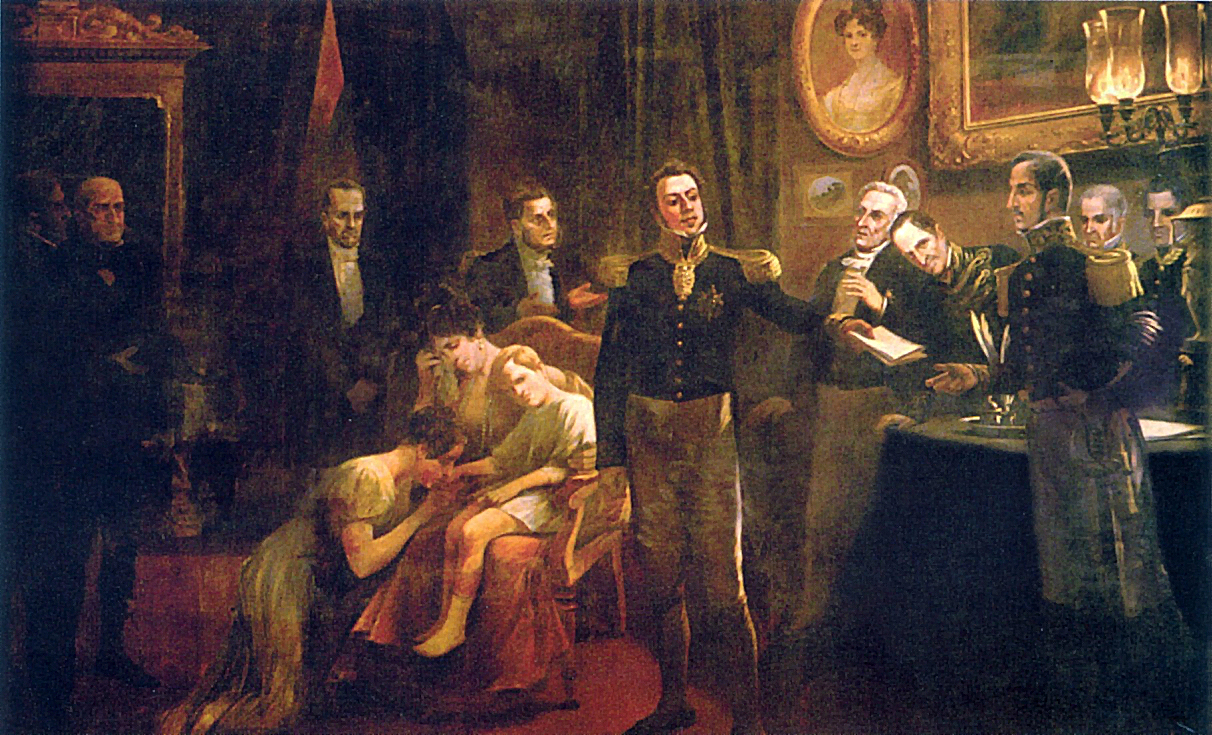



Characteristics and typical procedures
Although procedures vary by country and institution, abdication commonly involves several elements: a formal declaration by the holder of the office; legal instruments or legislative approval where required; and public and ceremonial communications that acknowledge the change of status. In constitutional monarchies, abdication may require parliamentary assent or specific statutory steps. In absolute or traditional systems it may be a private act confirmed by courtly or religious authorities.
History and notable examples
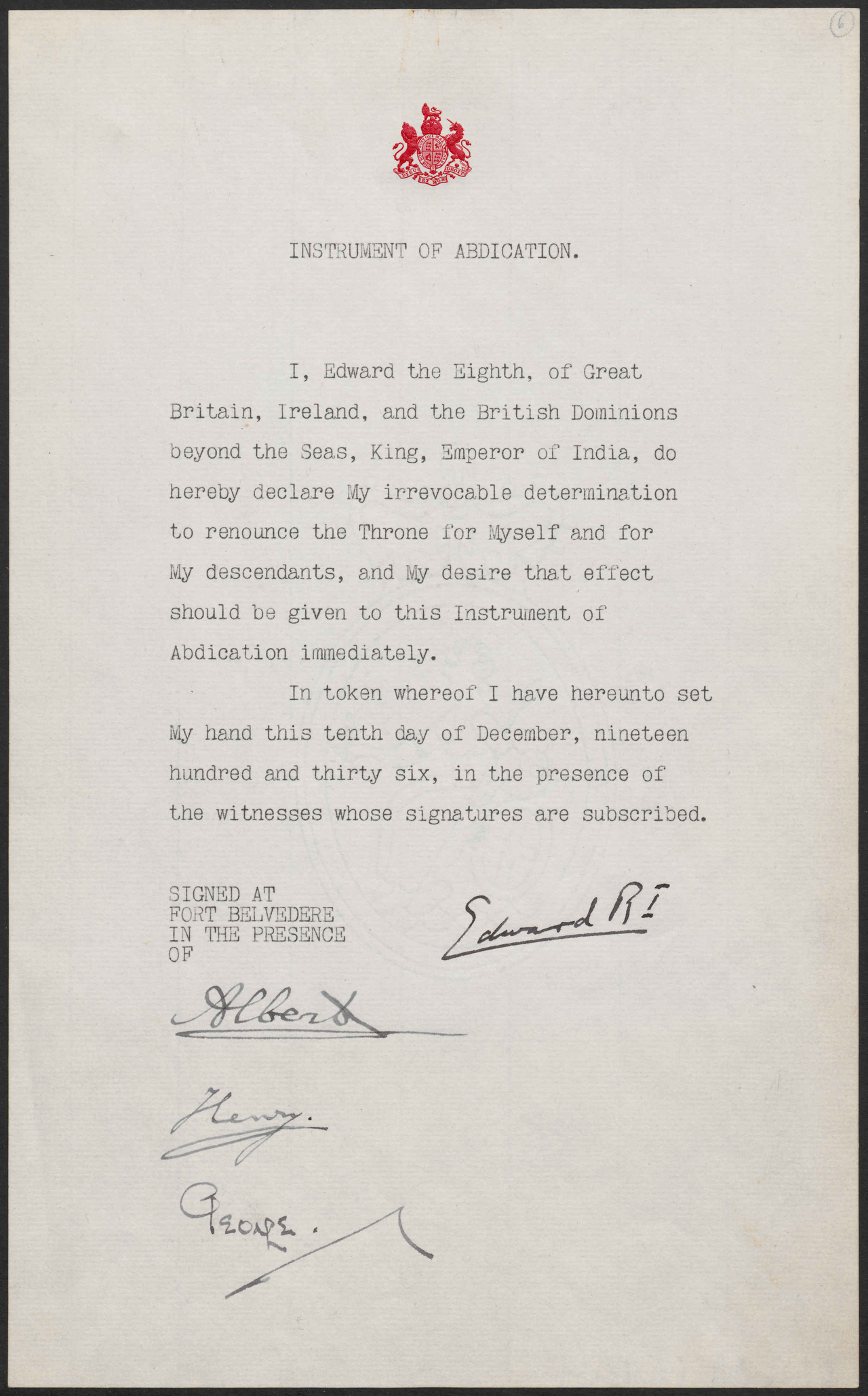
Abdications have occurred throughout history for personal, political, or health reasons, and sometimes under pressure. Famous modern examples include King Edward VIII of the United Kingdom, who abdicated in 1936; Pope Benedict XVI, who resigned the papacy in 2013; and Emperor Akihito of Japan, who stepped down in 2019. These cases illustrate different legal and cultural frameworks for leaving the highest offices.
Consequences and distinctions
Abdication affects succession, the legitimacy of heirs, and often public opinion. It differs from deposition or forced removal in that abdication is usually presented as a voluntary act, though "voluntary" can be contested if political pressure is intense. Other distinctions include renunciation (explicitly giving up rights to a specific title) and regency (temporary governance when a monarch is unable to rule).
Contexts and broader uses
Beyond monarchy and the papacy, the word "abdication" is sometimes used metaphorically to describe the relinquishment of power or responsibility by leaders in politics, business, or organizations. Historical and literary works frequently use abdication as a theme to explore duty, conscience, and the burdens of authority.
For further reading on monarchs and abdication in different traditions see general summaries for monarchs and for papal resignations at popes. For the legal and practical differences between abdication and ordinary stepping down see sources on resignation.
Questions and answers
Q: What is Abdication?
A: Abdication is the act of resigning from an office or position, especially from being the leader of a country.
Q: Who usually abdicates?
A: Kings and queens are usually the ones who abdicate from their position which brings an end to a royal reign.
Q: What is the difference between abdication and resignation?
A: Abdication is used for kings and queens and refers to the act of resigning from their royal position, while resignation is a similar term used for an elected or appointed official leaving their job.
Q: Who is an example of a king who abdicated?
A: King Edward VIII of the United Kingdom is an example of a king who abdicated.
Q: Is the term "Abdication" only used for kings and queens?
A: No, the term is also used for popes who decide to resign from their position.
Q: What is the significance of abdication?
A: Abdication brings an end to a reign and is often a major historical event with political implications.
Q: How does abdication differ from a regular resignation?
A: Abdication implies giving up a royal position while resignation is a more general term for leaving a job. Abdication is also a more formal and ceremonial process with greater attention and historical significance.
Related articles
Author
AlegsaOnline.com Abdication: relinquishing a throne or other high office Leandro Alegsa
URL: https://en.alegsaonline.com/art/353
Sources
- en.wikisource.org : "Abdication,"
- newadvent.org : "Abdication,"
- news.bbc.co.uk : "Edward VIII: Abdication timeline,"
- newadvent.org : "Pope Benedict IX"
- guardian.co.uk : "Pope Benedict XVI resigns,"
- newadvent.org : "English Revolution of 1688"
- books.google.com : The Capitals of Spanish America, pp. 688.
- edition.cnn.com : "Japan Emperor Akihito to abdicate on April 30, 2019"