
Kuril Islands dispute
A long-standing territorial disagreement between Japan and Russia over four southern Kuril Islands, their history since 1945, diplomatic efforts, and strategic significance in Northeast Asia.
Overview
The Kuril Islands dispute is a persistent territorial disagreement between Japan and Russia over the four southernmost islands of the Kuril chain. Japan refers to these islands as the "Northern Territories" and claims sovereignty over Etorofu (Iturup), Kunashiri (Kunashir), Shikotan and the Habomai islets. Russia administers the islands, which have been under Russian (formerly Soviet) control since the final days of World War II. The dispute has prevented the two countries from signing a formal peace treaty to end hostilities from 1945.
Image gallery
10 Images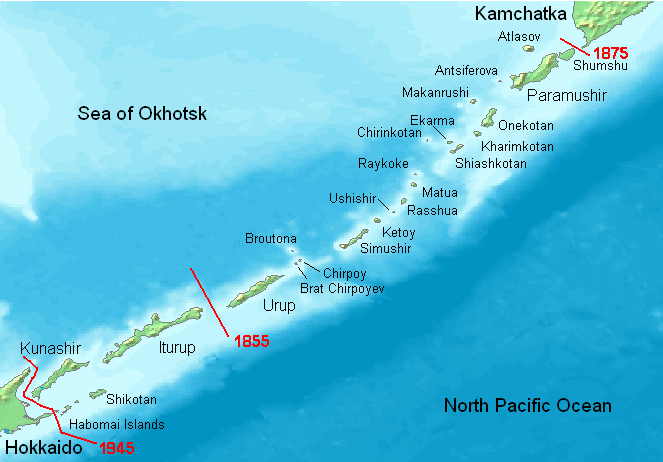


Islands and names
The contested area consists of four principal landforms, often named in both Japanese and Russian usage. These are:
- Etorofu (Russian: Iturup)
- Kunashiri (Russian: Kunashir)
- Shikotan
- Habomai islets
Historical background
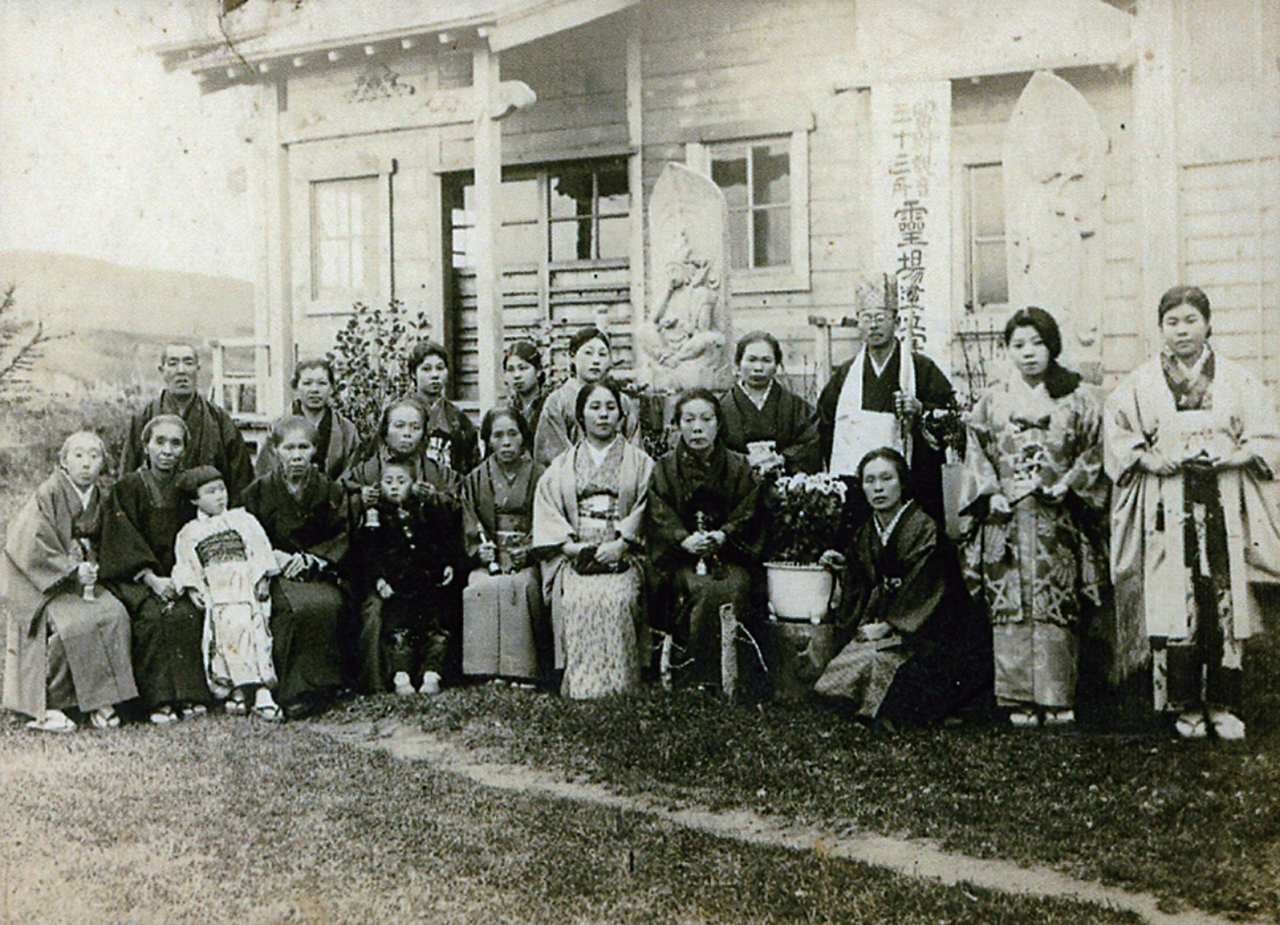
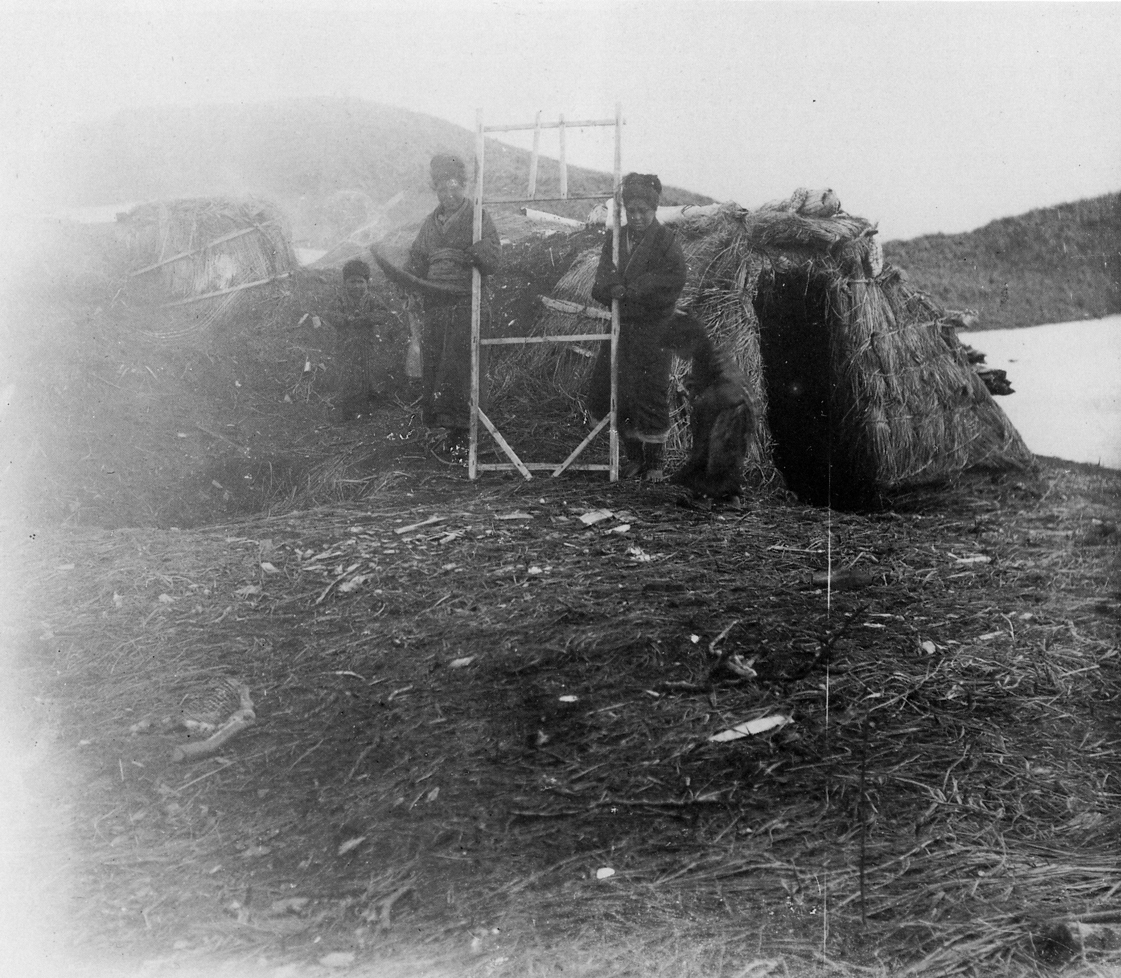
Prior to large-scale 20th-century settlement the islands were used by Indigenous Ainu people and later saw both Japanese and Russian settlers and administrators. In 1945, at the closing phase of World War II, Soviet forces occupied the Kuril chain. Japan and the Soviet Union never concluded a comprehensive peace treaty after the war, and the legal status of the islands became a central point of disagreement. A 1956 joint declaration between Tokyo and Moscow addressed some postwar issues and included a conditional promise regarding two of the isles, but no final treaty followed.
Diplomacy and current status
Diplomatic negotiations have recurred across decades, often accompanied by proposals for economic cooperation, joint development, population and fishing arrangements, and visits by senior officials. Despite periodic summit talks and bilateral working groups, sovereignty claims remain unresolved. Japan presents official documents and maps asserting its position (Japanese government materials), while Russia maintains administrative control and has reiterated its stance in official channels (Russian statements). Analysts and treaty archives are commonly consulted for context (academic analyses, historical treaty references), and maps showing the islands appear in many briefings (regional maps).
Significance and notable points
The dispute carries strategic, economic and symbolic weight. The islands sit in resource-rich waters and occupy key positions for maritime access and military presence in the North Pacific. The disagreement affects fisheries, regional security arrangements, and bilateral cooperation on trade and energy. It also resonates domestically in both countries as a matter of national pride and historical memory.
Efforts to resolve the dispute continue intermittently, often tied to broader geopolitical dynamics. Any shift in status would involve complex legal, diplomatic and local considerations, including the interests of island residents and historical claims. Observers note that practical arrangements—joint economic projects or eased travel—have sometimes served as confidence-building steps even without full sovereignty settlement.
Related articles
Author
AlegsaOnline.com Kuril Islands dispute Leandro Alegsa
URL: https://en.alegsaonline.com/art/54664