
Lady-in-waiting: role, history, duties and distinctions
A lady-in-waiting is a noblewoman appointed to attend a queen, princess or other high-ranking woman. The article explains duties, social role, historical development, variations and modern practice.
A lady-in-waiting is a woman, usually of noble birth, appointed to attend and assist a reigning queen, a princess or another high-ranking noblewoman. She acts as a companion, attendant and sometimes a confidential adviser rather than a domestic servant, and her responsibilities have varied greatly by era and court. In many monarchies the position combined personal service with ceremonial duties, offering the holder social standing, education in courtly life and opportunities for influence.
Image gallery
7 Images

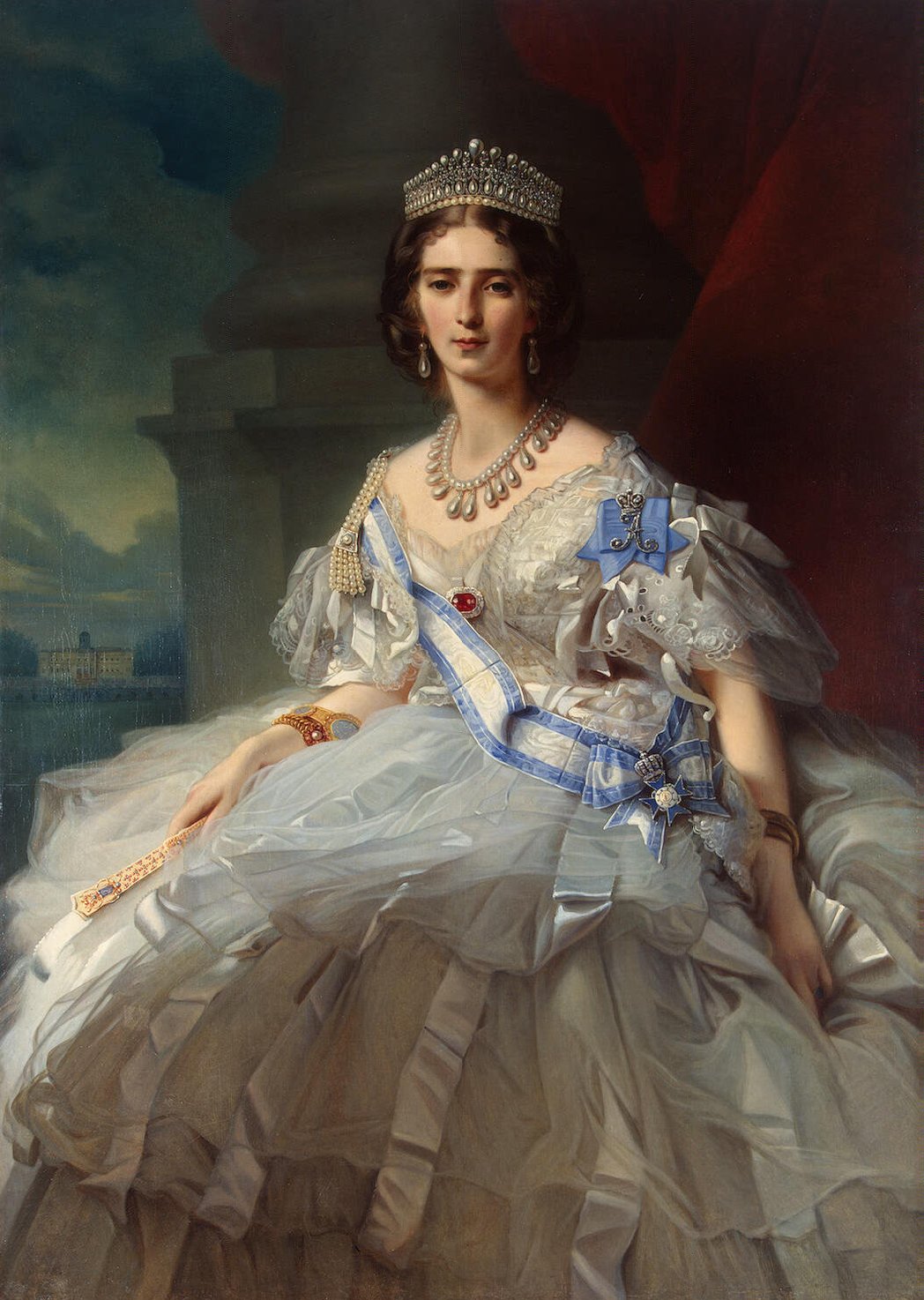


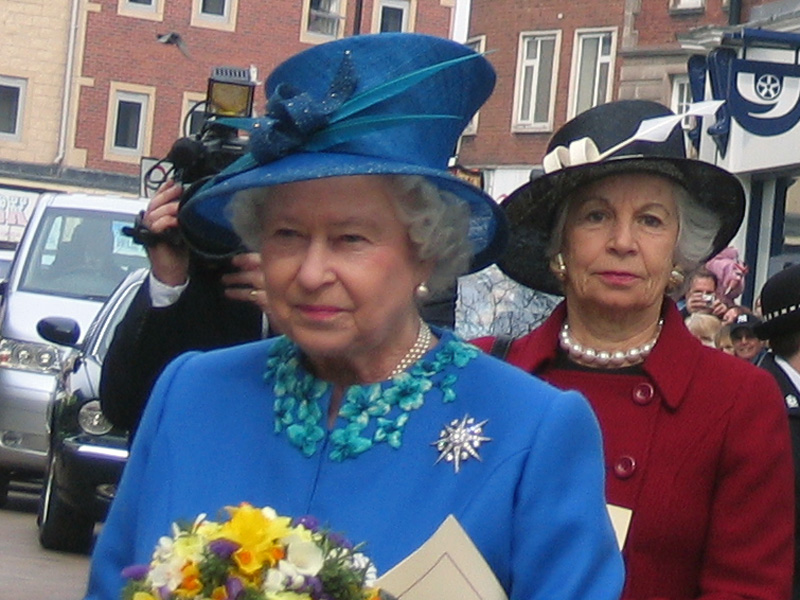
Typical duties and organisation
Tasks performed by a lady-in-waiting could include waking and dressing her mistress, helping with wardrobe and jewellery, managing correspondence or petitions, accompanying her in public and private, and organising parts of household or representational life. In larger courts these duties were divided into ranks and offices such as chief attendants or ladies of the bedchamber, with junior attendants called maids of honour. The precise division of labour depended on court etiquette, the size of the household, and the personal needs of the woman served.
Ranks, titles and distinctions
Terminology varies between languages and periods. A "lady-in-waiting" commonly denotes a gentlewoman of rank; a "lady's maid" is a domestic servant who performs hairdressing and dressing tasks; a "maid of honour" is often an unmarried attendant of lower seniority. Some courts maintain formal offices (for example, Mistress of the Robes or Ladies of the Bedchamber in British tradition) while others used less rigid structures. These distinctions are important when comparing sources, because similar-sounding terms do not always describe the same social status or duties.
History and examples
The institution of female attendants is ancient and widespread across Europe, Asia and other regions with courts. In early modern Europe ladies-in-waiting often came from the same social circles as the ruling family and could serve as political intermediaries or marriage prospects. Several English queens from the Tudor period began court life as attendants: among the best-known examples are Anne Boleyn, Jane Seymour, Catherine Howard and Catherine Parr, who served at court before becoming queen. In Imperial Russia young noblewomen were traditionally selected to serve at court in their teens and commonly left court service on marriage, reflecting the role's function as both training and display.
Social significance and opportunities
Service as a lady-in-waiting offered education in languages, etiquette, music and administration; it provided visibility to suitors and patrons and sometimes launched political careers or advantageous marriages. Because ladies-in-waiting lived close to power, they could act as cultural patrons or confidential intermediaries. At the same time, their position could be precarious: patronage, factional rivalry and changes of regime often affected their fortunes.
Modern forms and legacy
In contemporary constitutional monarchies the role survives in adapted form. Some courts retain ceremonial ladies-in-waiting who assist with public engagements and charitable work, while others have replaced certain functions with professional private secretaries. The office remains a useful lens for studying gender, class and the workings of court life across centuries.
- Serves a: queen, princess or noblewoman
- Historical note: service patterns in Russia often involved selection in adolescence and departure upon marriage
- Notable historical examples include Anne Boleyn, Jane Seymour, Catherine Howard and Catherine Parr
Related articles
Author
AlegsaOnline.com Lady-in-waiting: role, history, duties and distinctions Leandro Alegsa
URL: https://en.alegsaonline.com/art/55322
Sources
- runivers.ru : "Руниверс"