
Royal family: structure, history and contemporary roles
A royal family consists of the close relatives of a ruling monarch. Its membership, titles, duties and public standing vary widely across countries and have evolved through dynastic history and constitutional change.
A royal family is the close kin of a sovereign. In the broadest sense it means the family unit centered on a monarch, whether that person is a king or a queen. The family often includes the monarch's spouse, children, siblings and more distant dynastic relatives. Many states refer to an extended line of related persons as a dynasty or by a formal household name, such as a "House of" designation.
Image gallery
3 Images

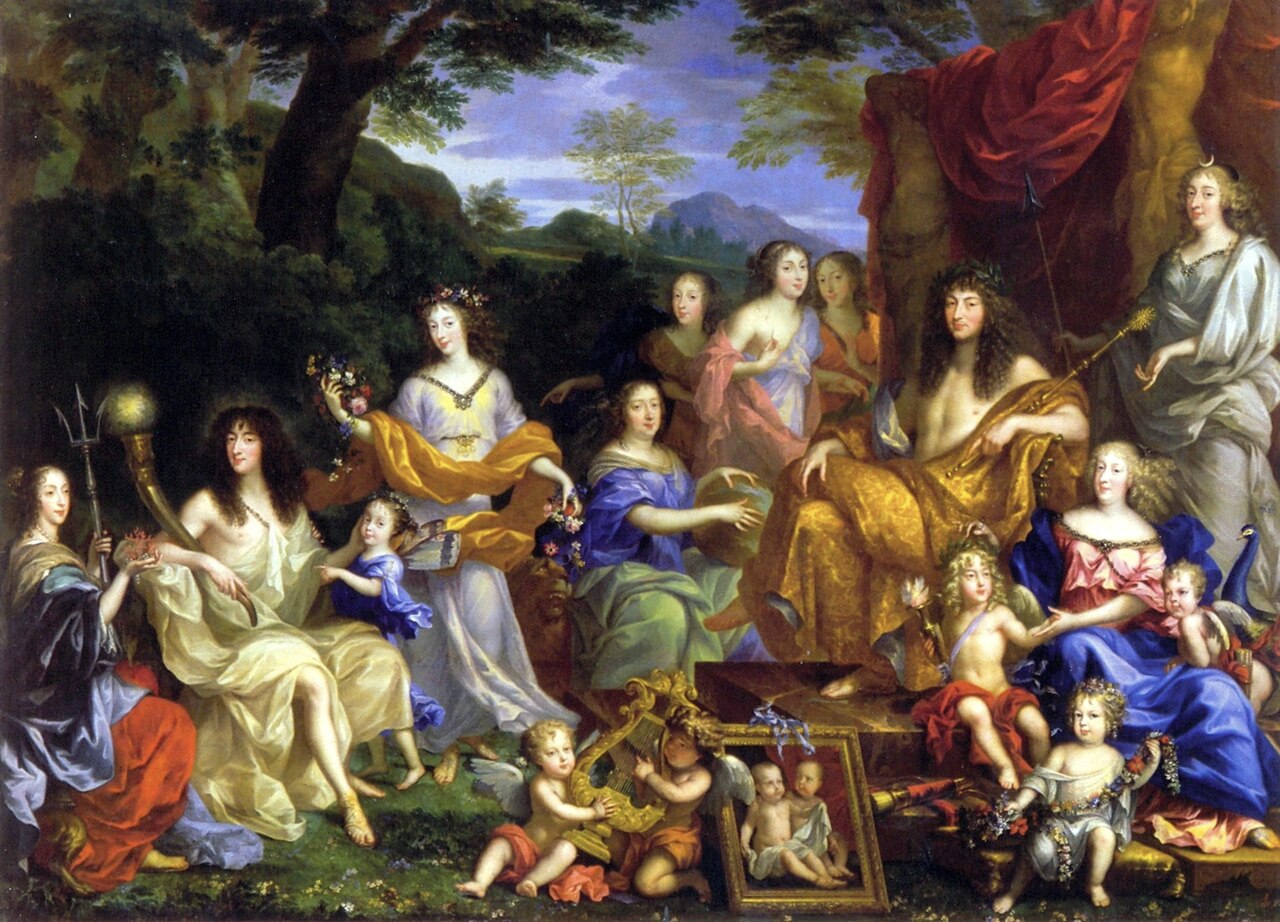
Structure and common titles
Royal families typically use a hierarchy of titles that indicate rank and succession. Common styles and offices include sovereign, heir apparent or heir presumptive, crown prince or princess, prince, princess, consort and members who carry courtesy titles. Legal privileges, styles and succession rules (for example primogeniture or gender-neutral succession) differ between monarchies and may be established by statute, tradition or constitutional practice.
Roles and public functions
Members of a royal family can serve a mix of symbolic, constitutional and charitable roles. In constitutional monarchies the sovereign and close relatives perform ceremonial duties, state openings, diplomatic hosting and patronage of charities; in absolute or traditional monarchies they may exercise political power. Many modern royals focus on public service, cultural representation and nonpartisan national unity.
History and dynastic development
Dynasties emerged when ruling families consolidated power through inheritance, marriage and alliances. Over centuries, branches of a house could become rulers of several territories, as seen in historical dynastic examples such as the House of Habsburg. Some systems were hereditary, others elective; practices changed as states modernized and constitutional limits were introduced.
Contemporary issues and distinctions
Today royal families face questions about public funding, media scrutiny, succession reform and relevance in plural societies. Distinctions exist between reigning families who retain formal constitutional roles and former royal houses that preserve titles and heritage without sovereign authority. Legal status, immunity and ceremonial precedence remain important practical distinctions.
Notable facts and examples
- Many royal households are formally named as a "House of" to indicate lineage and dynastic identity.
- Some monarchies confer styled roles on spouses who are not in the direct succession line.
- Royal patronage and charities are a common way for family members to pursue public work while remaining politically neutral.
For further reading on the institution and its variations, refer to authoritative sources on monarchy and constitutional law, and to archival histories of particular royal houses for detailed genealogies and precedent. Official household pages provide contemporary information about duties and biographies of individual members.
Family overview • Monarchic systems • Kingship • Queenship • Dynastic examples
Related articles
Author
AlegsaOnline.com Royal family: structure, history and contemporary roles Leandro Alegsa
URL: https://en.alegsaonline.com/art/84454