
George VI (1895–1952), King of the United Kingdom and the Dominions
Overview of King George VI: life, accession after the 1936 abdication, wartime leadership, speech therapy, later years, legacy, and notable facts.
George VI (born Albert Frederick Arthur George Windsor; 14 December 1895 – 6 February 1952) was King of the United Kingdom and the Dominions from 11 December 1936 until his death. He became monarch unexpectedly when his elder brother, Edward VIII, abdicated the throne in 1936. Known familiarly as "Bertie" within his family, he adopted the regnal name George VI and guided the monarchy through a period marked by war, political change and the early development of the modern Commonwealth.
Image gallery
10 Images




Early life and family
The second son of King George V and Queen Mary, Albert was raised in the traditions of the royal household and served in the Royal Navy and later with the Royal Air Force during the First World War. In 1923 he married Elizabeth Bowes-Lyon, who became a popular queen consort. The couple had two daughters: Elizabeth (later Queen Elizabeth II) and Princess Margaret. Before becoming king he was created Duke of York and carried out public duties typical of a junior royal.
Accession and reign
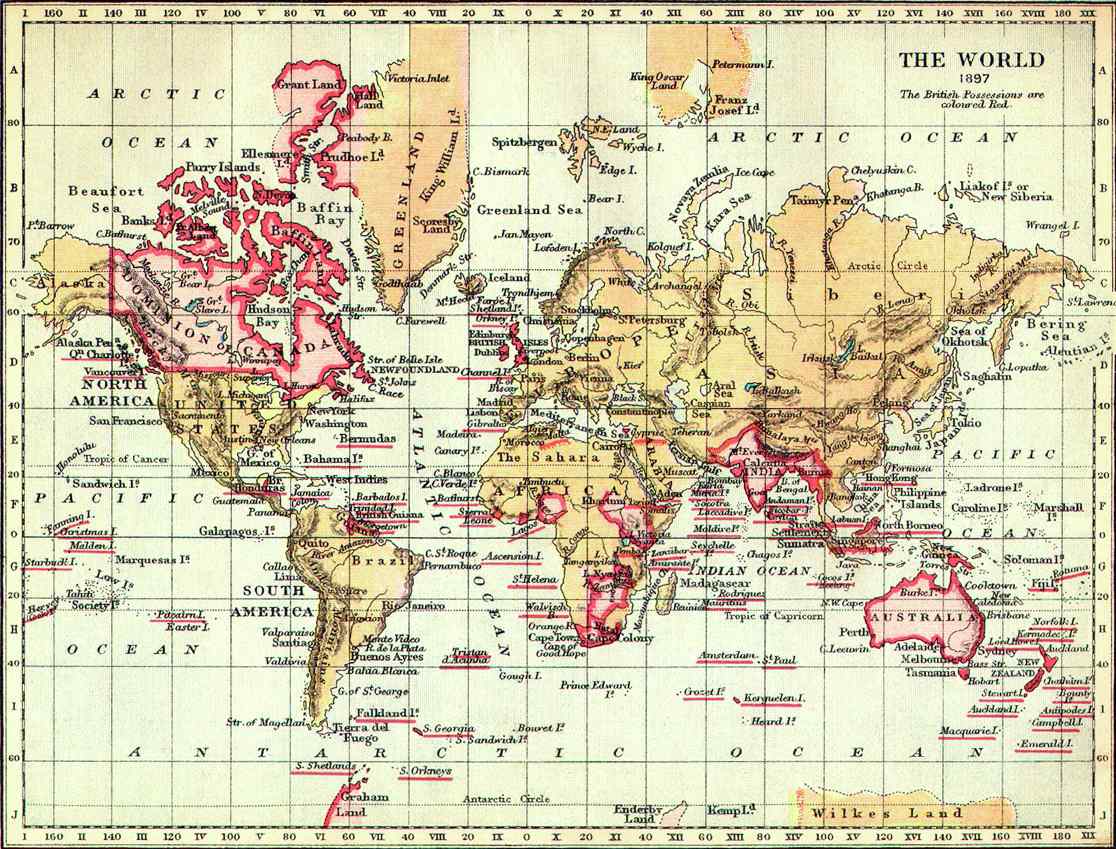
George's accession followed the constitutional crisis created by his brother's decision to marry Wallis Simpson. Thrust into the role of sovereign, he concentrated on restoring stability and dignity to the monarchy. His coronation took place in 1937. As king he increasingly engaged with matters of state as a constitutional monarch, supported the evolving ties between Britain and its Dominions, and sought to reinforce the Crown's symbolic role as a unifying institution across the Empire and the emerging Commonwealth.
World War II and public leadership
During the Second World War George VI and the queen became potent symbols of national endurance. They remained in London during the Blitz and continued to receive visitors, meet servicemen and inspect factories, projecting resilience and solidarity with civilians. His working relationship with Prime Minister Winston Churchill and his visible presence alongside the British people contributed to public morale. The royal couple also undertook important overseas visits and representative duties aimed at strengthening ties with Dominion governments.
Stammer, speech therapy and public image
George VI had a lifelong stammer that made public speaking difficult. He worked extensively with a speech therapist, Lionel Logue, whose unconventional methods helped the king to deliver wartime broadcasts and major addresses. Their partnership later drew widespread attention and was dramatized in contemporary media, highlighting the personal challenges the monarch overcame while meeting the demands of public duty.
Later years, death and legacy
After the war his health gradually declined. A heavy smoker, he suffered from medical problems in his final years and died on 6 February 1952 at the age of 56. He was succeeded by his elder daughter, Elizabeth, who became Queen Elizabeth II. George VI received a state funeral and was interred with other members of the royal family. His reign is often remembered for stabilizing the monarchy after the abdication crisis, for his wartime leadership and for helping to guide the monarchy into the modern era of constitutional monarchy and Commonwealth relations.
Notable facts
- Regnal name: Although christened Albert, he took the name George VI to emphasize continuity with his father and predecessors.
- Military service: He served in both the Royal Navy and the Royal Air Force during the First World War.
- Public tours: In 1939 the king and queen made a high-profile tour of Canada and the United States, notable as one of the first visits by a reigning British monarch to North America.
- Popular memory: His willingness to remain in London during bombing raids made him a symbol of national resistance.
Further reading and external links
- Official biography and timelines
- Details of the 1936 abdication crisis
- Context on Wallis Simpson and contemporary reaction
- Succession and Elizabeth II
- Information on stammering and speech disorders
- Lionel Logue's work and methods
- Biographical sketch of Lionel Logue
- The King's Speech (film) — cultural portrayal
- Historical responses to royal biographies and dramatizations
- Colin Firth: portrayal of George VI
- Geoffrey Rush: portrayal of Lionel Logue
- The monarchy and the British Empire
- Britain in World War II: wartime leadership
- Buckingham Palace during the Blitz
- Winston Churchill and his relationship with the Crown
- Health and medical history of George VI
- State funeral and burial
Questions and answers
Q: Who was George VI?
A: George VI (born Albert Frederick Arthur George Windsor) was King of the United Kingdom from 11 December 1936 until his death on 6 February 1952.
Q: What caused him to become king?
A: He became king when his older brother, Edward VIII, abdicated in 1936 to marry Wallis Simpson.
Q: Who did he marry?
A: He was married to Elizabeth Bowes-Lyon from April 1923 until his death.
Q: How did he overcome his stutter?
A: He was treated by an Australian speech and language therapist called Lionel Logue.
Q: What movie is based on this part of George's life?
A: The story of this part of George's life was made into a movie in 2010 called The King's Speech. Colin Firth played the role of George, and Geoffrey Rush played the role of Logue.
Q: How popular was he during World War II?
A: He won admiration during World War II (1939–1945), in which he stayed at Buckingham Palace during the most intense months of the Blitz. The Palace was bombed more than twice but he still remained, becoming a symbol of resistance and "fighting spirit". He enjoyed a close working relationship with his wartime Prime Minister Winston Churchill, inviting him to join the Royal Family on Victory in Europe Day (1945) to celebrate the defeat of the Nazis.
Q: What happened after World War II ended?
A: After World War II ended, his health began to decline which meant he couldn’t do many duties as king so Princess Elizabeth took them on in his place.
Q: How did George die?
A: A heavy smoker, George died of lung cancer and was given a state funeral. He was 56 years old
Related articles
Author
AlegsaOnline.com George VI (1895–1952), King of the United Kingdom and the Dominions Leandro Alegsa
URL: https://en.alegsaonline.com/art/119660
Sources
- thegazette.co.uk : "No. 26689"
- stutteringhelp.org : "Stuttering and the King's Speech"
- thegazette.co.uk : "No. 39458"