
Khonsu — Egyptian god of the moon, time, and protection
Khonsu is an ancient Egyptian deity associated with the moon, lunar light, the measurement of time and healing. Son of Amun and Mut, he forms part of the Theban triad and had an important cult at Karnak.
Overview
Khonsu is a deity of ancient Egypt traditionally associated with the moon, lunar light and the passage of nights and seasons. His Egyptian name is often rendered as “traveler” or “wanderer,” a reference to the moon’s nightly movement across the sky. In broad terms Khonsu embodied the visible, changing aspects of the moon and the way people measured nights and ritual hours.
Image gallery
10 Images



Appearance and symbols
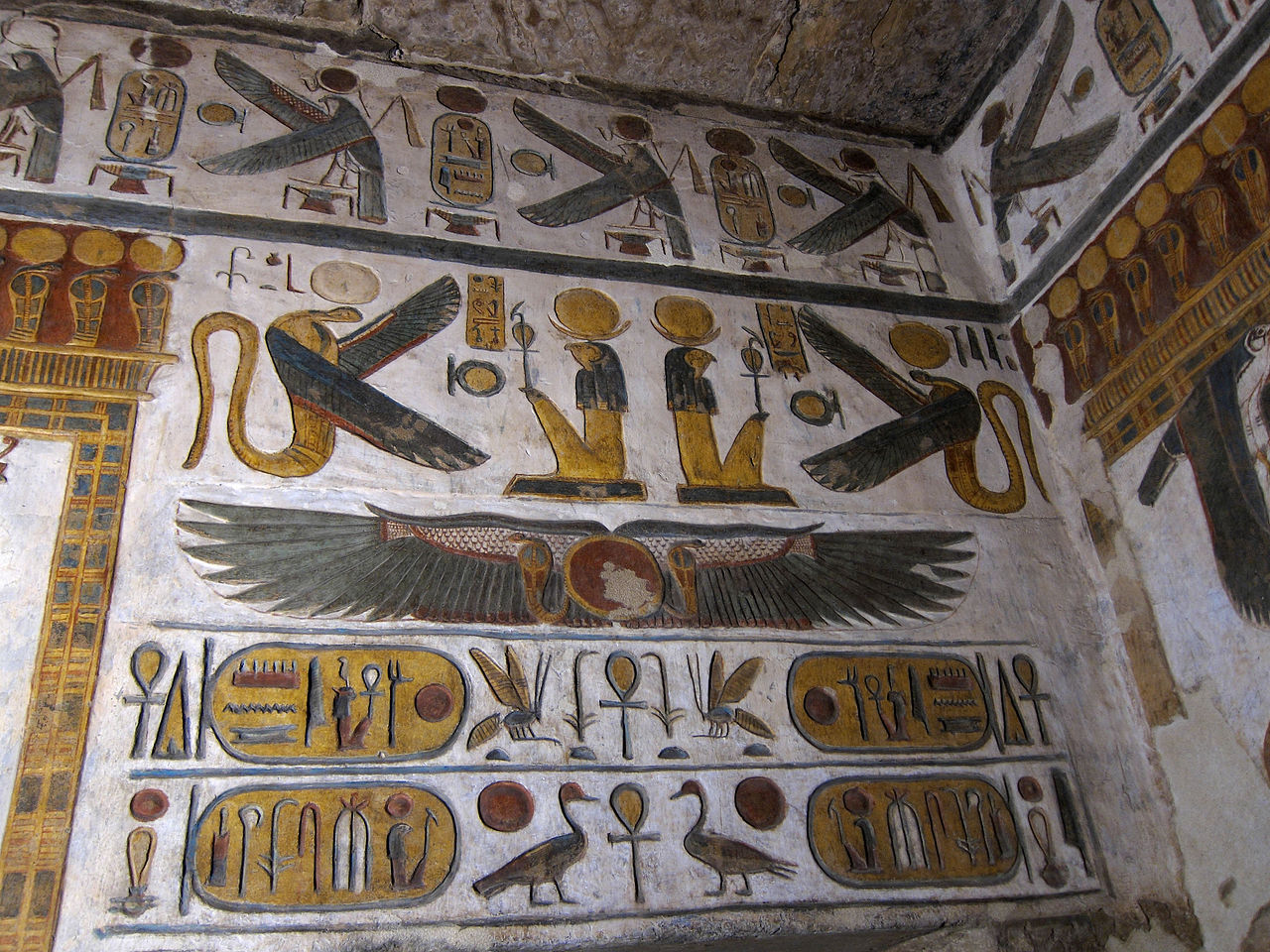
In art Khonsu is most commonly shown as a young man with the sidelock of youth, a crescent and full-disk symbol of the moon above his head, or sometimes with a falcon’s head. He may also be depicted mummiform when emphasizing his connection to protection or the afterlife. Typical attributes associated with him include the lunar disk, the crescent, and occasionally a crook and flail, indicating kingship or guardianship.
Myth, calendar and the “extra” days
Khonsu appears in myths that explain aspects of the Egyptian calendar. In some traditions he is linked to a story in which additional days were won for the year so that certain gods could be born; older sources describe those five epagomenal days as dangerous or unlucky. Accounts differ about who gambled with whom—several versions of the tale involve the moon and sky deities in a contest—so ancient and modern retellings remain cautious about exact details. The association with night-time reckoning and the waxing and waning moon made Khonsu relevant to timekeeping and ritual calendars.
Cult, centers and family
Khonsu was worshipped especially at Thebes, where he formed the Theban triad with his parents: Amun and Mut. A distinct Temple of Khonsu stands in the Karnak complex and received additions and dedications during the New Kingdom and later periods. Devotees invoked Khonsu not only for lunar protection but also for healing; several inscriptions and votive offerings present him as a helpful force who could drive away illness or malevolent spirits.
Distinctive roles and legacy
Although Khonsu is primarily a lunar and time-related deity, his protective and curative aspects set him apart from purely celestial gods. He could be called upon in personal devotion as well as state rituals. Over centuries his image and myths were adapted in different local traditions; today Khonsu appears frequently in discussions of Egyptian religion, temple architecture and the cultural importance of lunar cycles.
- Key symbols: lunar disk, crescent, sidelock, falcon features
- Family: son in the Theban triad with Mut and Amun
- Associated themes: time, protection, healing, the moonlight night
For further reading and primary inscriptions consult specialized works and catalogues of Theban temples and Egyptian myth collections; summaries and archaeological reports are available online and in print sources that survey ancient Egyptian religion and calendar systems (gambled accounts and comparative studies), mythic figures such as Nut, and the role of Khonsu in Theban worship.
Related articles
Author
AlegsaOnline.com Khonsu — Egyptian god of the moon, time, and protection Leandro Alegsa
URL: https://en.alegsaonline.com/art/53254