
Mut (ancient Egyptian mother goddess)
Mut, meaning 'mother' in Egyptian, was a major ancient Egyptian goddess associated with motherhood, the primeval waters, and state religion; she had varied forms, titles, and a central cult at Thebes.
Overview
Mut (often spelled Maut or Mout) is an important goddess from ancient Egyptian religion whose name literally means "mother." She is widely regarded as a divine mother figure and a guardian of kingship, often associated with creation and the primeval waters from which life emerged. As a national and local deity her character and prominence varied over time and between regions.
Image gallery
5 Images


Names, titles, and roles
Mut bore many epithets that emphasize her maternal and protective functions. Common titles include World‑Mother, Queen of the Goddesses, Mother of the Gods, and formulations that link her to royal power and cosmic origins. These designations reflect roles in mythology as mother, divine wife, and source of authority for pharaohs and other gods. For summaries and museum descriptions, see resources such as general overview and curated collections at museum page.
Iconography and animal forms
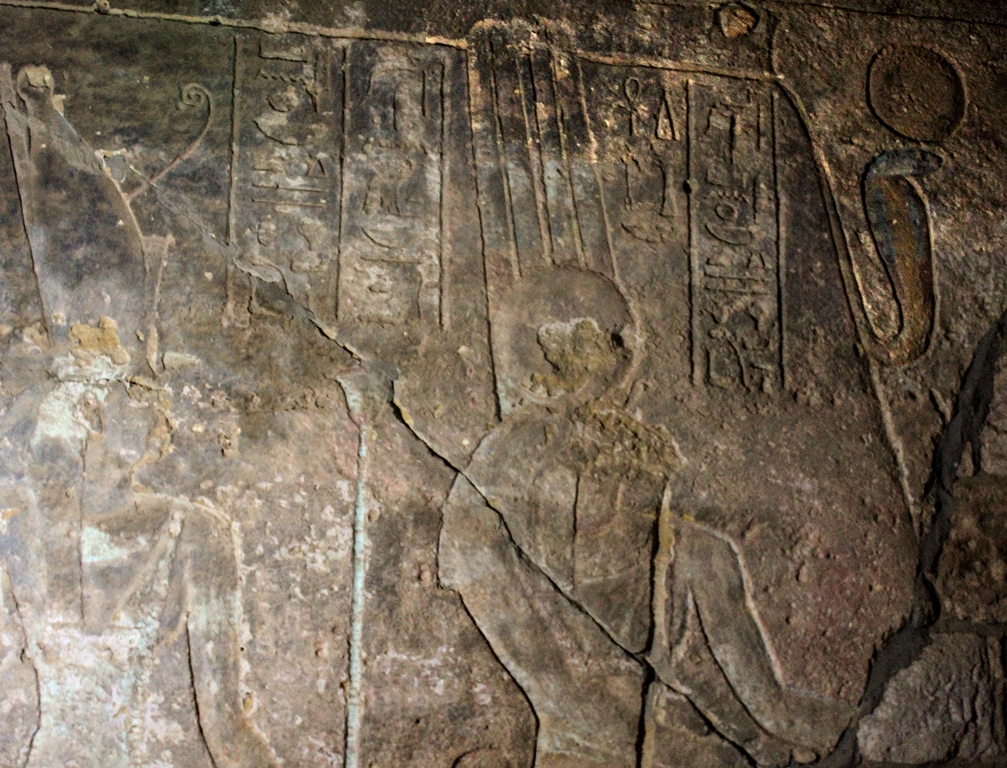
Mut is commonly depicted as a woman wearing the double crown of Upper and Lower Egypt and holding an ankh, the symbol of life. Visual attributes associated with her include the vulture headdress and sometimes a feather of truth at her feet. Artists and priests could represent her in multiple animal forms—vulture, cobra, lioness, cow, or cat—each emphasizing different aspects of protection, ferocity, fertility, or domestic guardianship. For visual catalogues and comparisons, consult iconography studies and specialized gallery entries like artifact database.
Cult, temples, and religious function
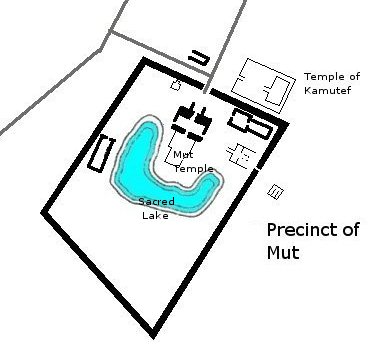
Mut was especially prominent in Thebes (modern Luxor), where she had a major temple complex and a priesthood that participated in state rituals. As a consort of Amun in some theological systems, she formed part of a divine triad that underpinned local religious life and royal ideology. Her cult included offerings, temple festivals, and ritual objects; surviving inscriptions and temple remains provide the primary evidence for these practices. For archaeological context and temple reports see archaeological summary and temple reports.
Mythic associations and development
In myth, Mut is sometimes described as emerging from primordial waters or as a mother who gives birth to gods while herself having no progenitor, an image that connects her to cosmic creation. Over centuries her identity syncretized with other goddesses and local cults, leading to overlapping attributes and shifting prominence depending on political and religious changes. Comparative studies and religious histories provide broader context: religious overview and comparative mythology.
Notable distinctions and legacy
Mut differs from other Egyptian mother‑goddess figures by her combination of maternal, royal, and protective characteristics and by her sustained institutional role in Theban religion. Unlike strictly local household goddesses, she became part of state ideology at times and was integrated into temple economy and ceremony. For modern interpretations and curatorial discussions, see articles and exhibitions such as curatorial essay and exhibit dossier. Further reading and bibliographic entry points are available at reference guide and a public humanities resource at educational portal.
- Main aspects: motherhood, protection, royal endorsement.
- Common depictions: woman with double crown, vulture motif, ankh.
- Animal representations: vulture, cobra, cat, cow, lioness.
This article synthesizes archaeological, iconographic, and textual evidence to outline Mut's character and historical role. For detailed study follow the linked resources above or consult specialist publications and museum collections for primary material and inscriptions.
Questions and answers
Q: Who was Mut?
A: Mut was an ancient Egyptian goddess.
Q: What did Mut mean in the ancient Egyptian language?
A: Mut meant mother in the ancient Egyptian language.
Q: What is Mut associated with?
A: Mut is associated with the waters from which everything was born.
Q: What were some of Mut's many titles?
A: Some of Mut's many titles included World-Mother, Eye of Ra, Queen of the Goddesses, Lady of Heaven, Mother of the Gods, and She Who Gives Birth, But Was Herself Not Born of Any.
Q: How was Mut depicted in art?
A: In art, Mut was pictured as a woman with the wings of a vulture. She holds an ankh and wears the united crown of Upper and Lower Egypt. Her dress is bright red or blue. There is a feather of the goddess Ma'at at her feet.
Q: What are some other animals Mut is sometimes shown as?
A: Mut is sometimes shown as a cobra, a cat, a cow, or as a lioness as well as the vulture.
Q: What is the significance of Mut's name?
A: The name Mut is significant as it is derived from the ancient Egyptian word for mother, which represents the importance of mothers in ancient Egyptian culture.
Related articles
Author
AlegsaOnline.com Mut (ancient Egyptian mother goddess) Leandro Alegsa
URL: https://en.alegsaonline.com/art/67816