
Kleomedes of Astypalia: boxer, outlaw, and hero in Greek legend
Ancient Greek boxer Kleomedes of Astypalia reputedly killed an opponent, was disqualified, then caused a later calamity and mysteriously disappeared into sanctuary; later venerated as a hero.
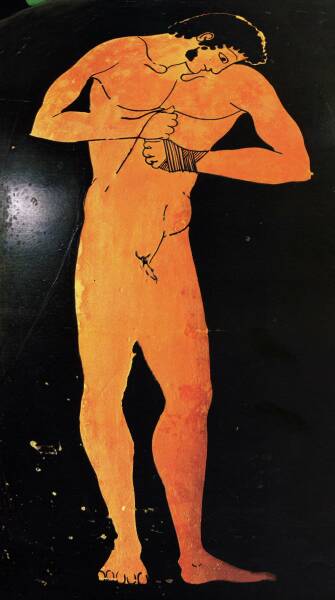
Kleomedes of Astypalia is a figure from early classical Greek tradition whose story combines athletics, crime, divine frenzy and cult. According to surviving accounts, Kleomedes was an Ancient Greek boxer active in the late 6th and early 5th centuries BCE. He is associated with one of the better known moral and legal anecdotes about the ancient athletic world: during either the 71st or 72nd recorded celebration of the Olympic Games (commonly dated to 496 or 492 BCE), Kleomedes delivered an illegal blow that killed his opponent, Ikos. Because the strike violated the sport's rules rather than because the death itself was deemed a punishable homicide, the judges disqualified and fined him — a punishment that deeply shamed him.
Image gallery
5 Images


The incidents recorded in tradition
After the Olympic incident the narrative continues with a dramatic and violent episode in Kleomedes' home island of Astypalaia. Reports say that, in a fit often described as a sudden madness or mania, he dislodged a pillar supporting a schoolroom roof. Contemporary summaries of the tale claim the collapse killed a number of children — some sources give the figure "at least 27" — and provoked immediate fury among the townspeople. Pursued by an angry mob intent on lynching him, Kleomedes sought refuge in a nearby sacred place. He crawled into a holy chest or chest-like enclosure inside the sanctuary. When the crowd opened the chest they found it empty; the man himself had disappeared.
The bewildered inhabitants consulted the Delphic oracle, which — according to the same tradition — declared that Kleomedes had not died but had been transformed and became a hero. After the oracle's pronouncement the islanders instituted rites and annual sacrifices in his honor, treating him as a local cult figure rather than as a convicted criminal.
Context: athletics, rules and sanctuary
The Kleomedes story sits at the intersection of several distinctive features of archaic and classical Greek life: the prominence of athletic competition, the formal role of judges and rules in the games, the social meaning of sanctuary, and the phenomenon of hero-cults. Greek athletics were regulated by explicit rules, and offending those rules could bring public disgrace even when an action led to an accidental death. Likewise, temples and sacred enclosures functioned as places of asylum where wrongdoers might seek protection, while oracles such as Delphi were widely consulted to interpret unusual events and to resolve communal anxieties.
Interpretations and significance
The tradition about Kleomedes has been read in multiple ways. At a straightforward level it furnishes a cautionary tale about the consequences of breaking the norms that govern competitive conduct and civic order. At a deeper level the reversal from condemned man to revered hero highlights how the boundary between culpability and sanctity could shift in archaic Greek thought: a violent actor might be reclassified as a hero when his fate became embedded in ritual and myth. Scholars and readers have also seen in the episode a meditation on madness or divine frenzy (mania), on the power of oracular authority to reshape communal memory, and on the tensions between civic justice and religious practice.
Key themes and legacy
- Rules and punishment: the case underlines how rule-breaking in sport was socially significant and could lead to penalties distinct from ordinary criminal law.
- Sanctuary and disappearance: the empty chest episode illustrates beliefs about divine intervention and sacred protection.
- Hero cults: the transformation from infamy to local veneration shows how ritual could absorb and neutralize traumatic events.
- Interpretive interest: modern readers use the story to explore ancient views on justice, collective memory, and the social construction of sainthood or hero-status.
Although details of the tale vary between accounts and later retellings, the core narrative — an Olympic boxer punished for an illegal blow, a fatal collapse at home, refuge in a sacred chest, the oracle's sanction, and subsequent annual honors — remains consistent. The story of Kleomedes of Astypalaia therefore endures as a striking example of how the Greeks narrated the uneasy boundary between violent transgression and sacred exceptionality. For further reading about Greek athletics, sanctuary practices, and hero cults, see general treatments of archaic and classical Greek religion and sport, and consult the relevant ancient examples collected in standard overviews and anthologies (overview, games, sanctuary practice).
Note: surviving references to Kleomedes come to us through later annalists and collectors of anecdotes; the story is best treated as part historical recollection and part moralizing legend, reflecting the values and concerns of the communities that preserved it.
Related articles
Author
AlegsaOnline.com Kleomedes of Astypalia: boxer, outlaw, and hero in Greek legend Leandro Alegsa
URL: https://en.alegsaonline.com/art/53934