
Kraken — legendary sea monster of the North Atlantic
A legendary giant sea creature from Norse maritime tradition that inspired seafaring lore, literature, and may be rooted in sightings of giant squid and other deep‑sea animals.
Overview
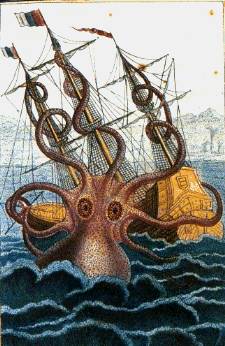
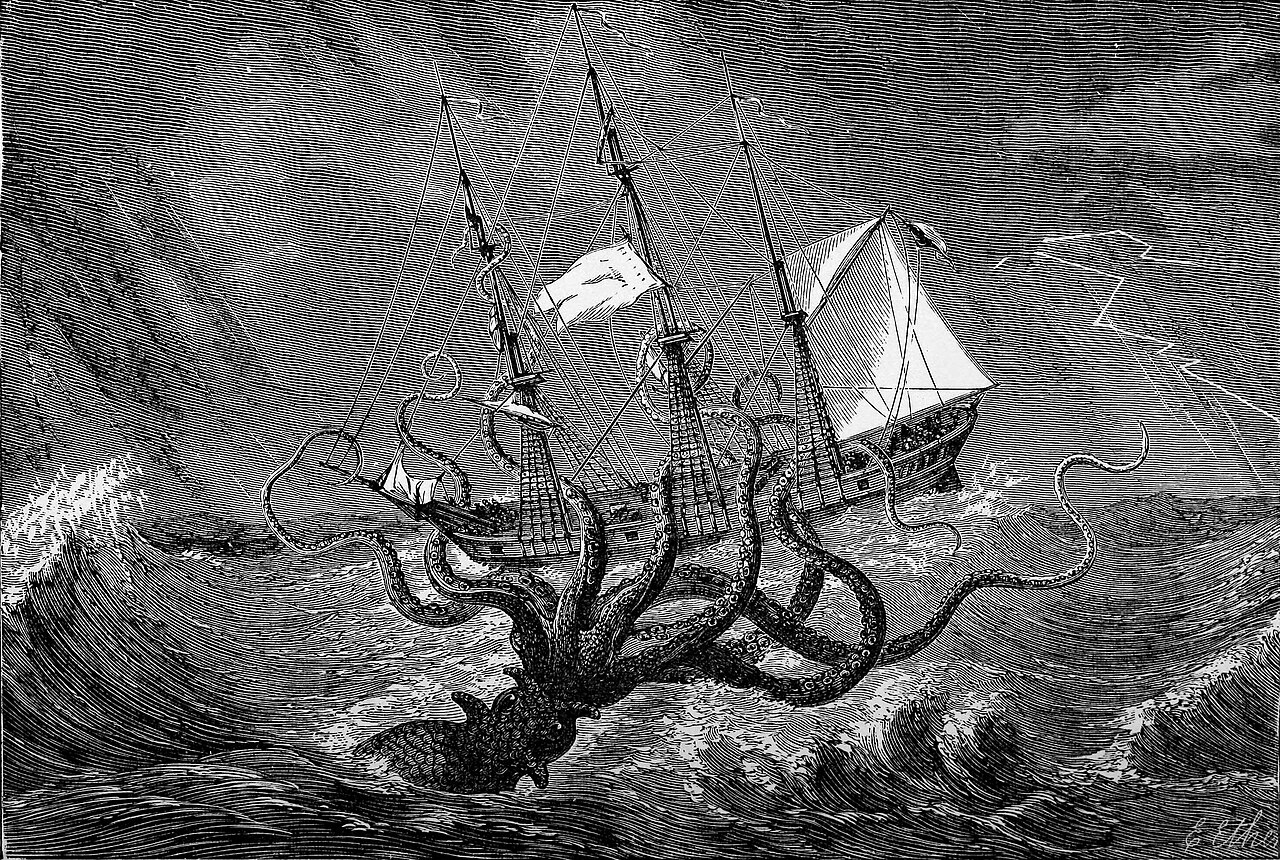
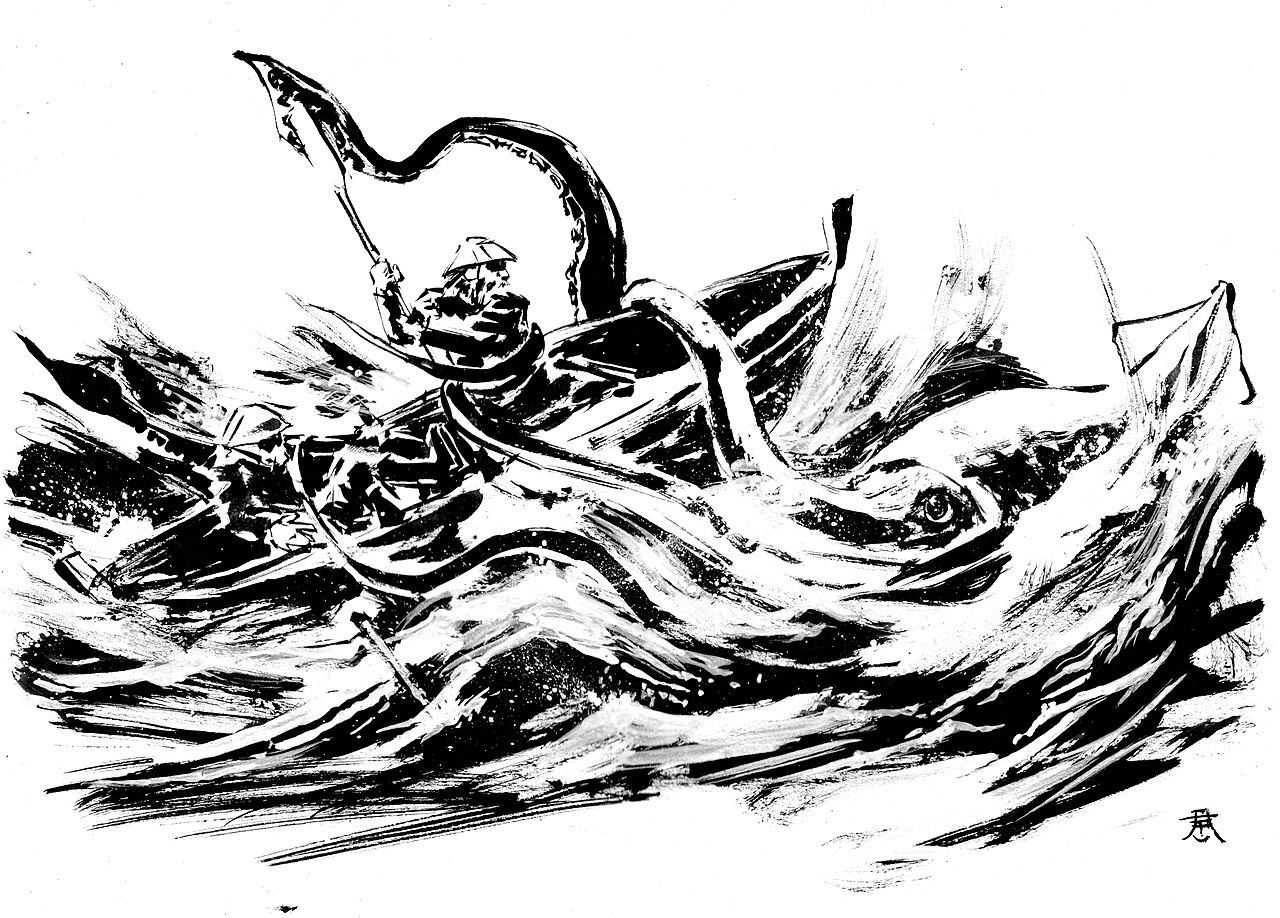
The kraken is a legendary marine monster associated with the waters off northern Europe. In folklore it is described as a vast, often tentacled creature capable of dragging ships beneath the waves. Stories of the kraken blend sailors' reports, regional myth, and later natural-history speculation to form an enduring maritime archetype of monstrous life at sea. Modern retellings cast the kraken as everything from a sea-dwelling demon to a colossal cephalopod.
Image gallery
10 Images




Typical descriptions and characteristics
Accounts vary, but common elements in kraken tales include great bulk, long grasping limbs or a ring of arms, and the ability to rise from deep water and create turbulence that imperils vessels. Some narratives emphasize a stationary, rocklike form that surfaces and is mistaken for an island, while others stress active aggression. These features have made the kraken a flexible motif in art and storytelling.
Origins and possible real-world sources
The kraken legend has roots in Norse and Scandinavian coastal tradition and in the reports of early modern naturalists and mariners. Writers in the 18th century popularized the creature in natural-history works. Scholars note that exaggerated sightings of large cephalopods — notably the giant squid — and of groups of whales could account for many kraken reports. The giant squid, a real deep-ocean animal with very long tentacles, is often cited as a likely inspiration for kraken imagery. Contemporary biology recognizes large cephalopods such as the giant squid as plausible sources for some historical encounters.
In literature, art and popular culture
The kraken has been a recurring figure in fiction, poetry, visual art, film and games. Writers and filmmakers adapted the basic idea to suit genres from nautical horror to fantasy. Notable cultural uses include classic sea narratives and modern blockbusters, where the kraken often serves as a dramatic antagonist or symbol of the untamed ocean. The creature also appears frequently in role-playing and video games as a powerful adversary or boss monster.
Why the kraken endures
- Simplified archetype: It condenses fears of the deep—unknown, hostile, and immense—into a single dramatic figure.
- Visual impact: Tentacled anatomy is both alien and plausible given known cephalopods.
- Adaptability: The kraken can be made frightening, tragic, or majestic to fit many artistic aims.
Further reading and links
For introductions to the creature in folklore and natural-history contexts see treatments of legendary sea monsters, regional maritime traditions such as those of Norway and Iceland, and modern biological discussions of large cephalopods like the giant squid. These sources help trace how observations at sea were woven into myth and later reinterpreted by science and popular culture.
Related articles
Author
AlegsaOnline.com Kraken — legendary sea monster of the North Atlantic Leandro Alegsa
URL: https://en.alegsaonline.com/art/54406