
Kohlrabi: a versatile member of the Brassica family
Kohlrabi is a crisp, mild-flavored biennial vegetable in the cabbage family, eaten raw or cooked. This article covers its characteristics, cultivation, culinary uses, varieties, and cultural importance.
Overview
Kohlrabi (literally "cabbage turnip") is a cultivar of Brassica oleracea grown for its swollen stem rather than its head of leaves. It is typically treated as a biennial when grown for seed, but is harvested in the first year for food. The plant combines features of cabbage, turnip and broccoli relatives: a bulbous above-ground stem, leafy greens, and a crisp texture prized in many cuisines. For botanical context see kohlrabi as a biennial.
Image gallery
5 Images


Characteristics and edible parts
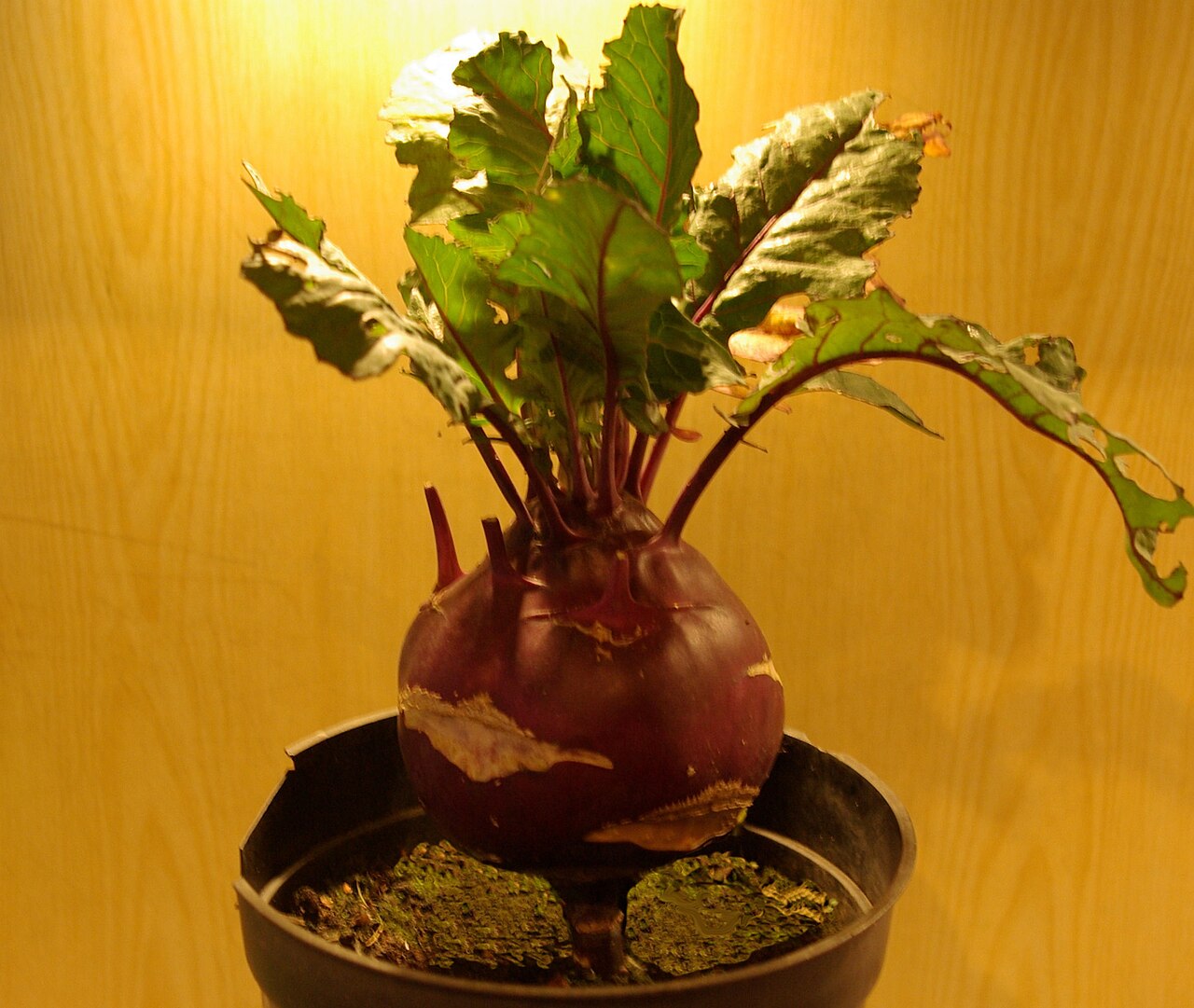
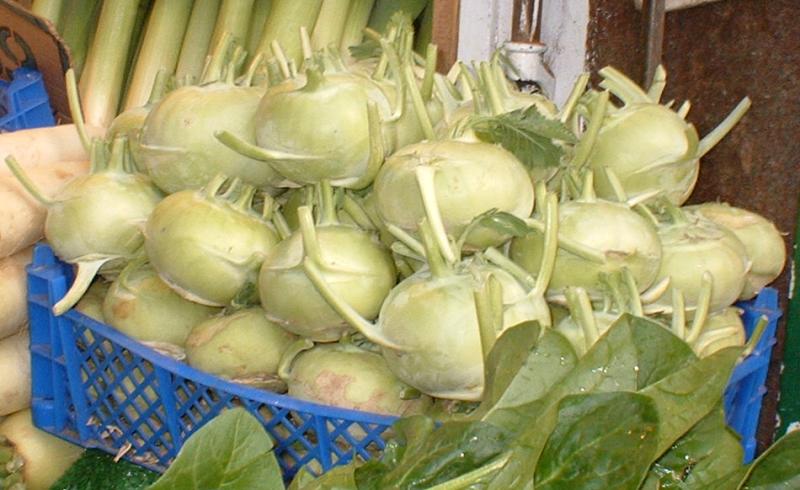
The most visible feature is the round, turnip-like stem (sometimes flattened) that grows above ground in shades of pale green, purple or white. Young stems are tender; older ones can become woody. Leaves arise from the stem and resemble kale or collard greens; both stem and leaves are edible. Typical edible components include:
- Stem (bulb): raw slices, sticks, or cooked chunks
- Leaves: sautéed, steamed, or added like other brassica greens
- Young shoots: occasionally used in stir-fries
Origin, cultivation and varieties
Kohlrabi likely originated in Europe as a selection from wild cabbage varieties. Different cultivars have been developed for spring or fall harvests and for green or purple skin. It prefers cool-season growing conditions and well-drained soil; gardeners often sow it for a quick maturing crop. Varietal differences affect size, skin color and tenderness.
Culinary uses and nutrition
Kohlrabi is eaten raw—shredded into salads or sliced as a crunchy snack—or cooked: steamed, roasted, mashed, stir-fried, or added to soups. Its flavor is mildly sweet with a hint of pepper and a texture between apple and radish. Leaves provide vitamins and fiber, while the stem supplies vitamin C, potassium and modest amounts of other micronutrients. Preparation tips include peeling thick-skinned bulbs, trimming fibrous cores in large specimens, and using leaves like other brassica greens.
Regional importance and examples
Kohlrabi is popular across Northern and Eastern Europe, notably in Germany and Hungary, and it is also common in parts of Asia such as northern Vietnam and eastern India. In Germany it figures in traditional stews and salads; in Central Europe it may be pickled or pureed. For further regional recipes and cultural notes see Germany, Hungary, and broader references at regional uses and family relations.
Notable facts and distinctions
Kohlrabi is distinct from true turnips: it is a swollen stem rather than a root crop. It is one of several edible stem brassicas and is valued for quick maturity and cold tolerance. Home gardeners and chefs prize it for its versatility and long shelf life when stored properly.
Related articles
Author
AlegsaOnline.com Kohlrabi: a versatile member of the Brassica family Leandro Alegsa
URL: https://en.alegsaonline.com/art/54115