
Brown algae (Phaeophyceae): biology, ecology and human uses
Brown algae are large, mostly marine multicellular algae (Phaeophyceae) noted for brown pigments, kelp forests, alginate products and complex life cycles with flagellated spores.
Overview: Brown algae — the class commonly called Phaeophyceae — are a diverse group of principally marine, multicellular photosynthetic organisms. They are characterized by a brownish color produced mainly by the pigment fucoxanthin, which masks the green of chlorophyll. Most brown algae occur in cool temperate and polar seas of the Northern Hemisphere and form conspicuous seaweeds, from low turfing species to towering kelps. For a general introduction, see Phaeophyceae.
Image gallery
7 Images
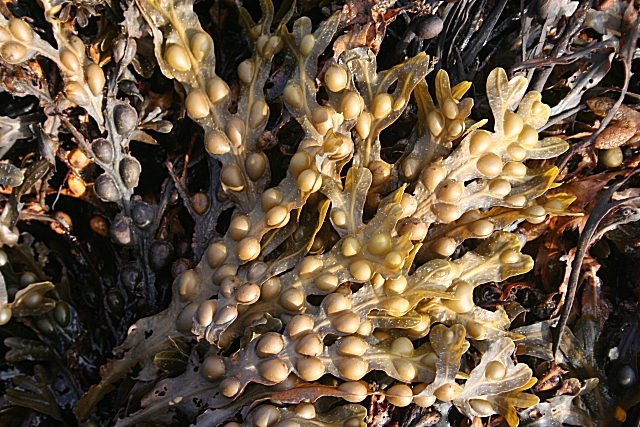


Structure and distinguishing features
Brown algae range in size from small filamentous forms to some of the largest algae in the world. Typical body parts in larger forms include a holdfast that anchors the alga to rock, a stemlike stipe, and leaflike blades. Their cells contain chloroplasts with fucoxanthin and store carbohydrates as laminarin or mannitol rather than starch. Cell walls are often rich in alginic acid (alginate) and cellulose, a trait exploited commercially. Many species show tissue differentiation and complex body plans uncommon in other heterokonts.
Ecology and distribution
About 1,500–2,000 species of brown algae are recognized, almost all marine. They are dominant in rocky intertidal zones and kelp forests, where they form habitats that support diverse invertebrates and fishes. Cold, nutrient-rich waters favor large kelp growth; notable examples and their habitats include the giant kelp Macrocystis and the floating mats of Sargassum that give the Sargasso Sea its name. See species and distribution summaries at northern temperate communities and species lists at species catalogues.
Life cycles and evolution
Brown algae reproduce using flagellated spores and gametes with two unequal flagella, reflecting their placement among the heterokonts (stramenopiles). Life cycles vary: some have simple haploid–diploid alternation, while others display large-scale alternation of generations with different morphological stages. Their plastids are thought to derive from a secondary endosymbiotic event involving a red alga, which explains their pigment composition and internal cell structure.
Human uses and importance
Brown algae are economically important. Alginates extracted from their cell walls are used as thickeners and stabilizers in food, pharmaceuticals and industrial products. Several species are harvested or cultivated as food in East Asia (for example, kombu and wakame), and kelp aquaculture is a growing industry. Ecologically, kelp forests sequester carbon and provide nursery grounds for fisheries; conservation of these habitats supports biodiversity and coastal economies.
Notable species and distinctions
- Macrocystis (giant kelp) — forms underwater forests and can reach tens of meters in length; see giant kelp.
- Sargassum — many species float freely and create surface mats; see Sargassum and the Sargasso Sea.
- Smaller brown seaweeds — common on rocky shores and important as grazers' food and habitat.
Notable distinctions: brown algae differ from green and red algae by pigments (fucoxanthin), storage compounds (laminarin), cell wall chemistry (alginate), and by being multicellular heterokonts with flagellated reproductive cells. Their ecological roles, industrial applications and complex morphologies make them a major group in coastal marine systems.
Related articles
Author
AlegsaOnline.com Brown algae (Phaeophyceae): biology, ecology and human uses Leandro Alegsa
URL: https://en.alegsaonline.com/art/14771
Sources
- algaebase.org : "AlgaeBase"
- species.wikimedia.org : Phaeophyceae
- commons.wikimedia.org : Phaeophyceae