
Kaiten: Japan’s World War II manned torpedo
Kaiten (回天) were manned, torpedo-like suicide craft used by the Imperial Japanese Navy late in World War II. This article explains their design, deployment, combat record and legacy.
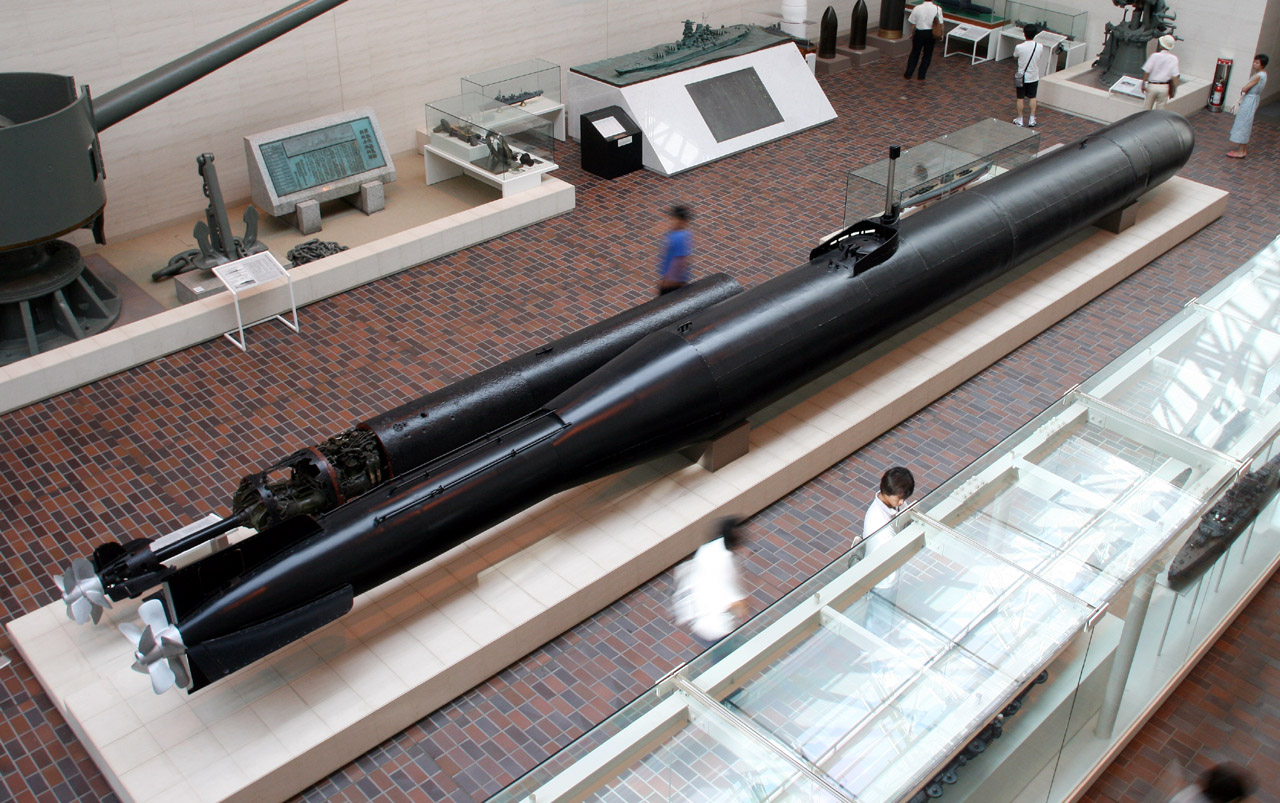
Overview — Kaiten (Japanese: 回天) were improvised, manned torpedoes created and deployed by the Imperial Japanese Navy in the final stages of the Pacific War. Often translated in different ways, the name has been rendered as "Change the World" or variations of "turn the heavens." Intended as a one-way offensive measure, kaiten combined a torpedo warhead with a small human-guided control space.
Image gallery
10 Images





Design and operation
Conceptually, a kaiten began as a conventional torpedo that was altered to carry a pilot. The craft had basic flight controls and a viewing port so a human operator could steer toward a target, with no practical means of escape. Because of the pilot, they are often described as a suicide weapon; they were part of a wider set of last-ditch weapons Japan developed as the strategic situation deteriorated.
Development and deployment
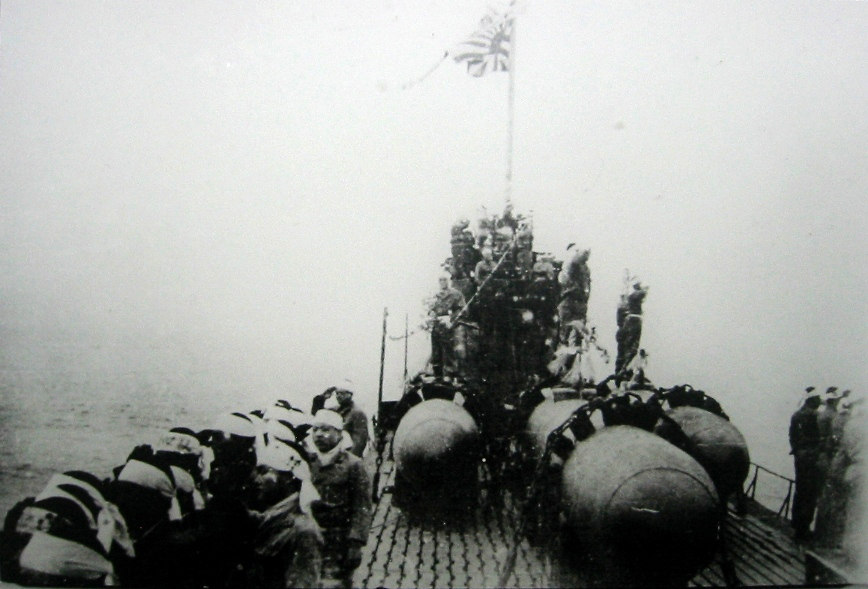
The kaiten program was organized by elements of the Imperial Japanese Navy (Navy) under the late-war pressures faced by the Empire of Japan. Work on prototypes and training facilities began in the closing year of the conflict. Pilots were volunteers trained to control the craft; the human element differentiated kaiten from other torpedoes and reflected wartime doctrines about sacrifice and desperate defensive measures.
Launch methods and missions
Kaiten could be launched from several platforms. They were carried externally or in deck-mounted cradles on modified submarines and in at least one case from surface vessels; submarine launch was the primary method because it permitted approach with some stealth. Launch platforms included slipways and rail systems that allowed the pilot-guided torpedo to enter the water and seek its assigned target.
Combat record and effectiveness
Operationally kaiten had limited success. Attacks were made during the last months of the war, and by conservative counts there were on the order of one hundred attempts. Only a very small number of enemy ships were sunk or severely damaged in kaiten attacks. Several factors reduced their effectiveness: difficulties in navigation, mechanical unreliability, defensive measures by Allied vessels, and the tactical cost of dedicating submarines and crews to what was essentially a single-use weapon.
Legacy and historical assessment
Historians view kaiten as part of Japan's desperate late-war innovations rather than a breakthrough in naval warfare. They illustrate the human and ethical dimensions of kamikaze-style weapons and are studied as an example of how technology, doctrine and morale combined under extreme pressure. Today kaiten remain a subject of memorials, naval history studies, and discussion about the human cost of wartime strategy.
Related articles
Author
AlegsaOnline.com Kaiten: Japan’s World War II manned torpedo Leandro Alegsa
URL: https://en.alegsaonline.com/art/51917