
Kargil War (1999) — India–Pakistan conflict in the Kargil sector
The Kargil War was a limited high‑altitude conflict between India and Pakistan from May to July 1999 over positions along the Line of Control in Kargil, Jammu and Kashmir, ending with India regaining the occupied posts.
The Kargil War was a brief but intense armed conflict between India and Pakistan that took place from May to July 1999 in the Kargil district of Jammu and Kashmir. Fighters occupied high mountain positions on the Indian side of the Line of Control (LOC), creating a dangerous situation in steep, thin-air terrain. The campaign involved ground assaults, heavy artillery exchanges and a focused air effort by the Indian Air Force. The conflict ended after India reasserted control over the occupied posts and international diplomatic pressure helped de-escalate the situation.
Image gallery
10 Images




Background
The dispute arose when armed intruders and elements reported to be irregulars and, subsequently, units of the Pakistani military occupied strategic heights overlooking the main supply route in the Kargil sector. The positions commanded vital ridgelines and passes, giving occupiers tactical advantage over Indian supply and communication lines. The occupation was discovered during routine patrols in spring 1999.
Course of the conflict
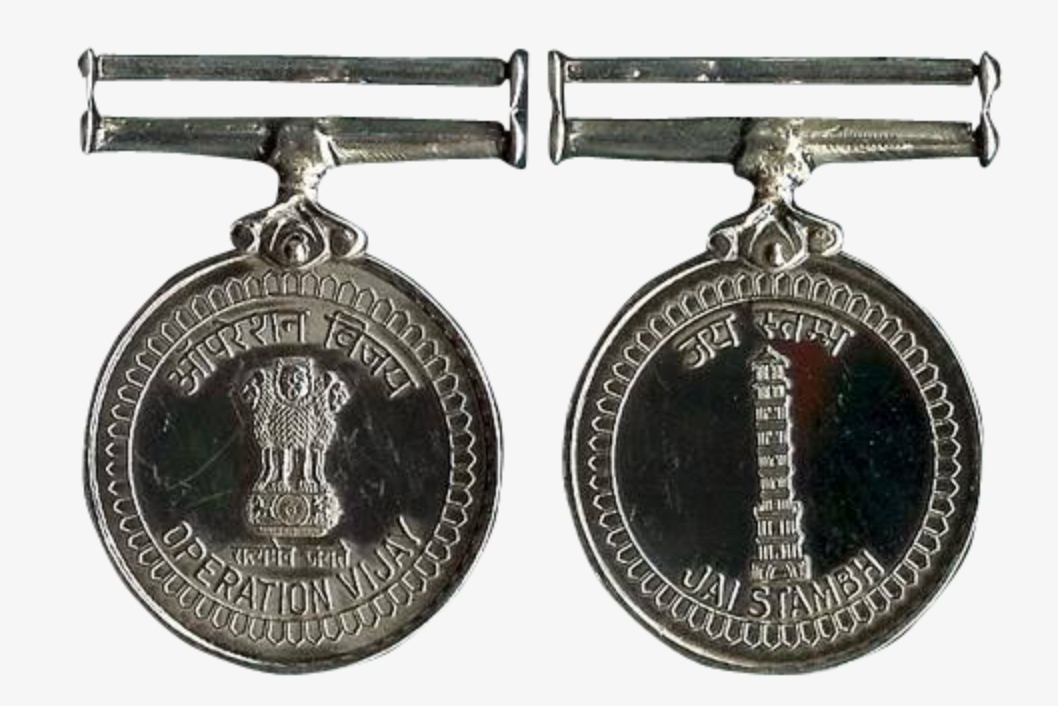
India launched Operation Vijay as the ground campaign to evict the intruders, supported by an air campaign known as Operation Safed Sagar. Mountain troops, infantry and specialized high-altitude units conducted uphill assaults on fortified positions after preparatory artillery bombardments. Fighting took place under extreme weather and oxygen-poor conditions, making movement, logistics and casualty evacuation difficult. By late July Indian forces had retaken most of the positions that had been occupied.
Forces, tactics and terrain
- Terrain and altitude strongly shaped tactics: steep ridges, narrow approaches and exposed features favoured defenders and increased the cost of assaults.
- Artillery was used extensively to dislodge defenders and to prepare infantry advances; close-quarter combat for bunkers and crestlines was common.
- Reports identified a mix of irregular fighters and elements of Pakistan’s armed forces among the occupiers; Pakistan offered different characterisations of the intruders during the conflict.
Diplomacy and outcome
International diplomatic engagement, including appeals from several countries, pressed for a withdrawal and helped to isolate the escalation. Facing sustained military pressure and diplomatic consequences, the occupying forces withdrew across the LOC and India regained control of the majority of the captured posts. The episode heightened tensions between the two nuclear-capable neighbours and focused attention on the stability of the Kashmir region.
Aftermath and significance
The war produced significant military and political consequences. Both sides reported casualties and losses; the conflict prompted reviews of intelligence, surveillance and high-altitude preparedness. India revised patrol routines, equipment and mountain warfare training, while the episode influenced defence planning on both sides. In India the campaign is commemorated annually on Kargil Vijay Diwas, honouring those who served in the operation. The Kargil War remains a widely studied example of limited interstate conflict fought in extreme mountain conditions and of the role of diplomacy alongside military action.
Questions and answers
Q: What is the Kargil War?
A: The Kargil War was a conflict between Indian armed forces and the Pakistan Army.
Q: What regiments were involved in the war?
A: Pakistani regiments involved in the Kargil War included Northern Light Infantry, Sind regiment, Azad Kashmir regiment, Baloch Regiment, troops from Special Service Group, and Regiment of Artillery.
Q: Did Pakistan use artillery support during the war?
A: Yes, Pakistan Army used artillery support from Pakistani Occupied Kashmir.
Q: Who won the war?
A: India emerged victorious in the Kargil War.
Q: Did Pakistan collect their dead bodies after the war?
A: No, Pakistan and its army refused to collect their dead bodies after the war.
Q: What happened to all captured posts across LOC?
A: India regained control of all captured posts across LOC following the conclusion of the Kargil War.
Related articles
Author
AlegsaOnline.com Kargil War (1999) — India–Pakistan conflict in the Kargil sector Leandro Alegsa
URL: https://en.alegsaonline.com/art/52302