
Kadıköy — Istanbul district on the Anatolian shore and cultural center
Kadıköy is a populous district on Istanbul's Anatolian (Asian) shore facing the European historic peninsula; historically Chalcedon, it is known for ferry links, markets, cultural venues and diverse neighborhoods.
Overview
Kadıköy is a major district on the Anatolian (Asian) side of Turkey's largest city, Istanbul. It lies along the northern shore of the Sea of Marmara and faces the historic peninsula on the European side across the Bosporus. The settlement has ancient origins and was known in antiquity as Chalcedon.
Image gallery
10 Images



History
Human occupation at this site predates the foundation of Byzantium; the name Chalcedon recalls a long classical and later Byzantine and Ottoman history. Over centuries the area transformed from a coastal anchorage and agricultural hinterland into an urban borough. During the Ottoman and republican periods, Kadıköy grew as Istanbul expanded, absorbing migrants and modern transport links that tied the Asian shore more closely to the city centre.
Geography and neighbourhoods
The municipality includes a mix of waterfront promenades, commercial streets and residential quarters. Well-known neighbourhoods include Moda, with its seaside promenades and cafes; Bahariye, known for pedestrian shopping; and Bostancı and Göztepe to the east, which form part of the continuous urban strip along the Marmara. The district combines older houses and apartment blocks with newer developments.
Transport
Kadıköy is an important transport hub on the Asian side. Regular ferries connect its piers to terminals on the European shore, while commuter rail and underground lines provide rapid links across and along the city. Surface transit, buses and sea links make the area a gateway for daily commuters and visitors, and the ferry docks are a focal point of local movement.
Culture and landmarks
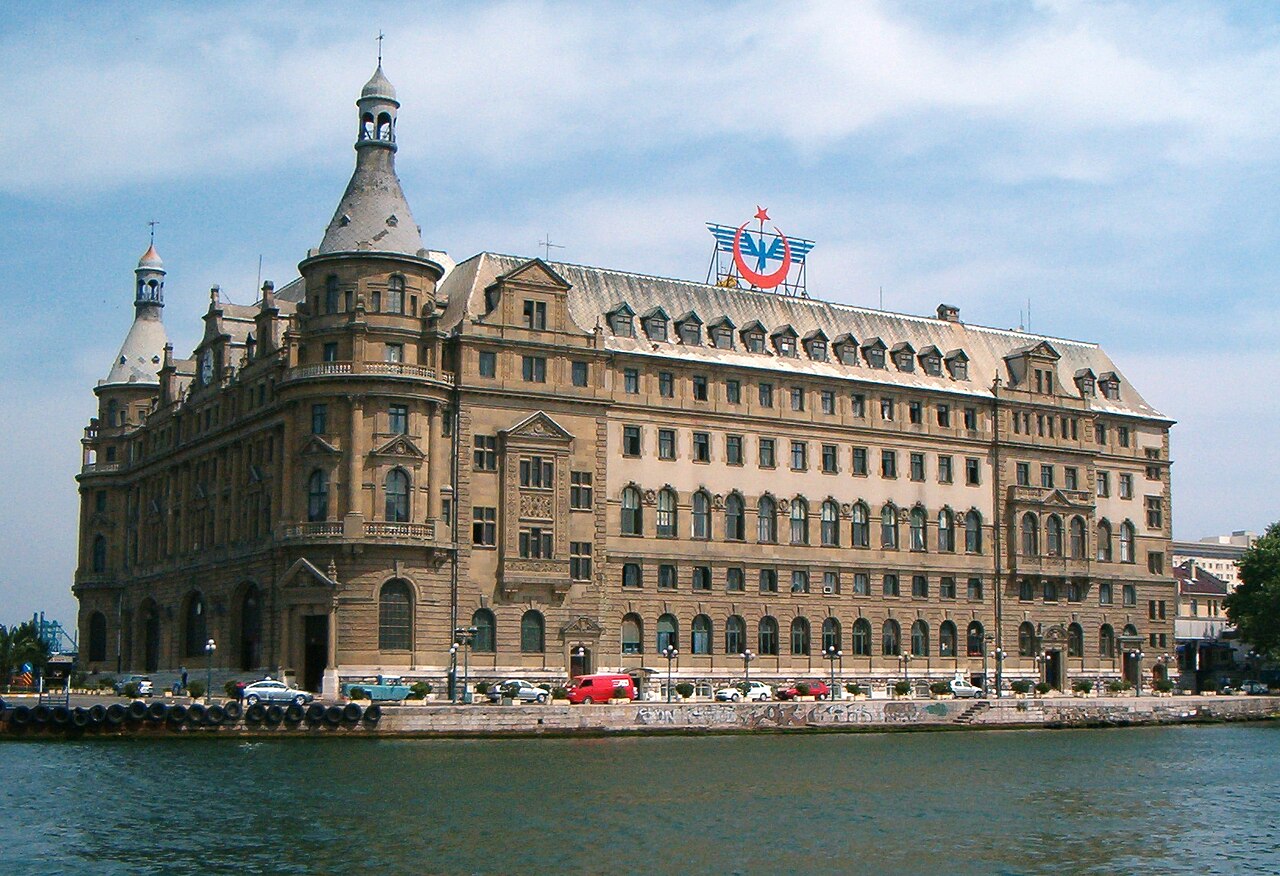
The district has a lively cultural scene, with small theatres, music venues, bookshops and street art. Landmarks and meeting points include the main market area and fish market near the ferry terminals, the Süreyya Opera House and the historic Haydarpaşa waterfront complex nearby. Public squares, local festivals and a pronounced café culture contribute to Kadıköy’s reputation as a social and cultural centre on the Asian shore.
Economy and everyday life
Retail, hospitality and services dominate the local economy; markets, restaurants and small independent businesses serve residents and visitors. The district is often described as more neighbourhood-oriented than the tourist-dense historic peninsula, while remaining commercially active and well integrated into Istanbul’s wider urban fabric.
Related articles
Author
AlegsaOnline.com Kadıköy — Istanbul district on the Anatolian shore and cultural center Leandro Alegsa
URL: https://en.alegsaonline.com/art/51866