
Kahoʻolawe: History, environment, and restoration of Hawaii’s smallest main island
An overview of Kahoʻolawe—its geography, cultural importance, military history, environmental damage, legal status, and ongoing restoration and decontamination efforts.
Overview
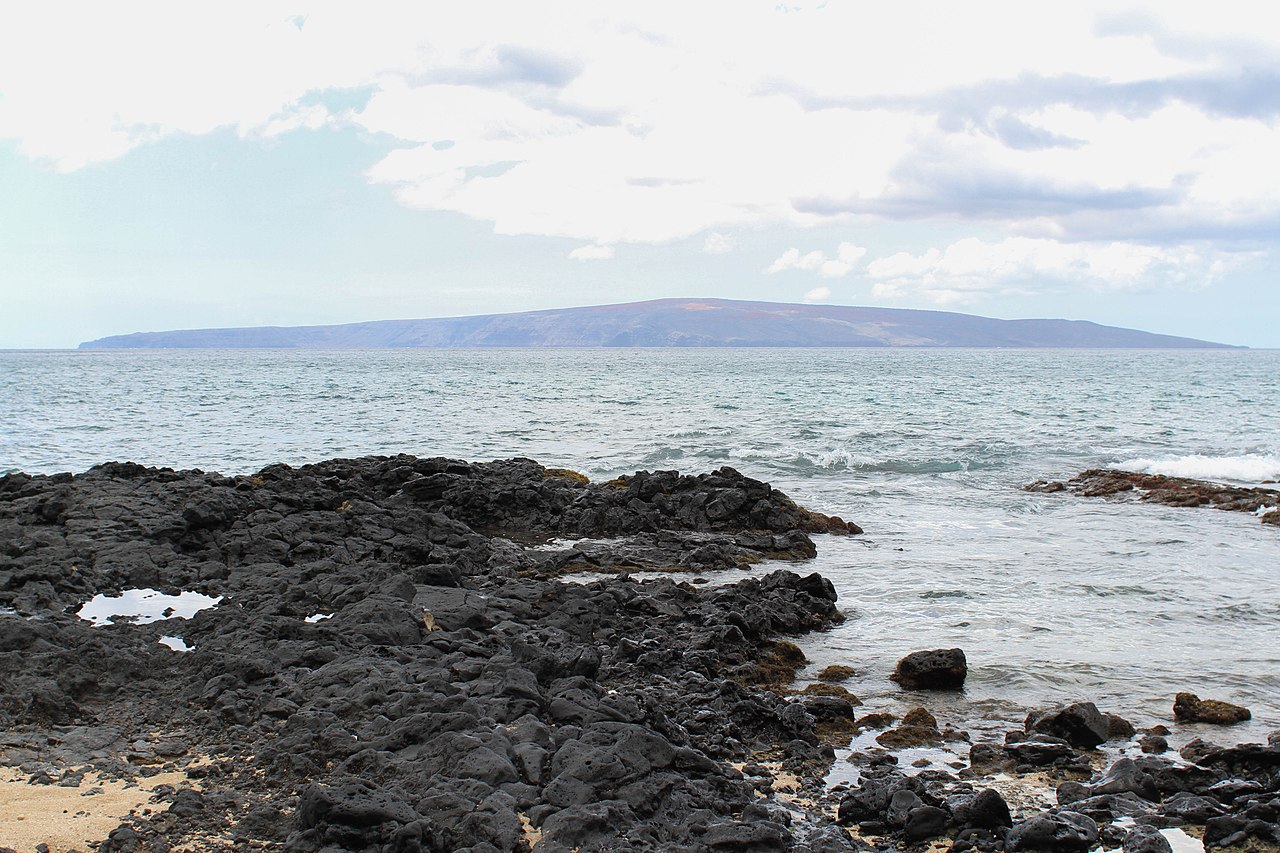
Kahoʻolawe (often written Kaho‘olawe) is the smallest of the eight principal volcanic islands in the Hawaiian island chain. It lies to the southwest of Maui and south of Lānaʻi, and covers roughly 45 square miles (about 120 km²). The island’s highest point, Lua Makika, reaches approximately 1,477 feet (450 m) above sea level. Kahoʻolawe is uninhabited and has a largely dry climate; its low relief produces only limited orographic rainfall from the prevailing trade winds, leaving much of the island arid compared with higher, windward Hawaiian islands. Geographic context, island chain, proximity to Maui.
Image gallery
9 Images




Geography and environment
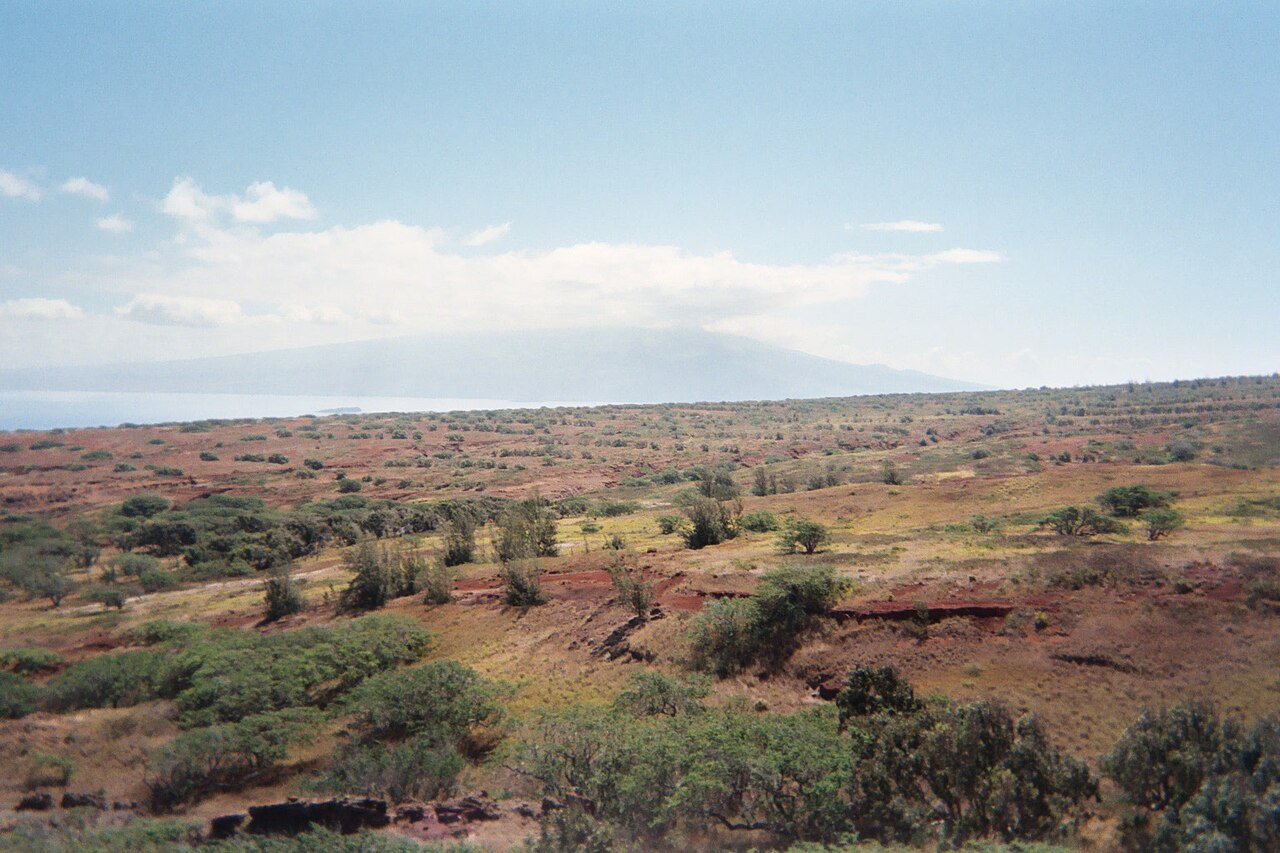
The island is roughly oval in shape and has a coastline marked by steep cliffs, shallow bays and deeply incised gullies formed by episodic heavy runoff. Its soils and vegetation were dramatically altered during the 20th century, leaving large areas with exposed rock and compacted soil. Natural springs and freshwater lenses that would occur on larger, wetter islands are minimal here, so traditional Polynesian agriculture was limited. The combination of low rainfall, historic overgrazing, and subsequent disturbance has resulted in extensive erosion and large areas dominated by non-native plant species. For further geological and climatic details see regional maps and climate summaries.
History and cultural significance
Kahoʻolawe has long held cultural and spiritual importance for Native Hawaiians. Archaeological and oral traditions record pre-contact use for fishing, religious practice, and resource gathering. Throughout the 19th century and into the 20th, land use changed with ranching, grazing, and other introduced activities. The island’s cultural sites include ahu (stone markers), petroglyphs, and sites connected with traditional navigation and ritual practice. Contemporary Hawaiian organizations emphasize the island’s central role in cultural revitalization and education; see heritage resources and oral histories for context.
Military use and environmental damage
Beginning around World War II and continuing for decades, Kahoʻolawe was used by the U.S. military for live-fire exercises, bombing practice, and other training. This use accelerated landscape damage, destroyed cultural sites, and left unexploded ordnance (UXO) both on land and offshore. Public opposition and legal action in the late 20th century helped end large-scale military training there. The island was placed on the National Register of Historic Places in recognition of its cultural and historic significance, and the military’s legacy of disturbance became a focal point for cleanup and restoration efforts. For background on the military period and its impacts, consult defense records, historic registers, and public accounts.
Legal status, transfer, and management
In the early 1990s growing political and public pressure led to changes in how Kahoʻolawe would be managed. In 1993 the U.S. Congress acknowledged the island’s cultural importance and required measures for cleanup and interim protection. The State of Hawaiʻi established the Kahoʻolawe Island Reserve and created the Kahoʻolawe Island Reserve Commission (KIRC) to manage the island and surrounding waters for cultural, educational, environmental restoration, and limited subsistence uses; commercial exploitation is prohibited by state law. The federal military presence officially ceased and the island’s title and management responsibilities were transferred back under arrangements completed in the early 2000s. Key legal and administrative information can be found at legislative summaries, commission records, and turnover documentation.
Restoration and cleanup efforts
Cleaning up unexploded ordnance and restoring a highly eroded, dry island present unusual technical and cultural challenges. The U.S. Navy has funded and carried out removal and remediation activities under directed programs, but UXO still remains in some areas and offshore. The island’s restoration strategy emphasizes collaboration with Native Hawaiian practitioners, conservative environmental management, and long-term ecological recovery. Important components include:
- systematic UXO survey, removal and monitoring (remediation reports);
- soil stabilization to reduce gully incision and sediment loss into nearshore waters (erosion control);
- measures to enhance groundwater recharge and retain rain where it falls (watershed restoration);
- archaeological protection and cultural practice access managed by the state reserve (cultural management).
Importance and future outlook
Kahoʻolawe serves as a test case for large-scale island restoration where cultural values, public stewardship, and technical remediation must be balanced. Its recovery is necessarily gradual: erosion control and plant reestablishment can take decades, and UXO clearance remains a safety priority before broad public access can be restored. The island’s future is framed by state law and the reserve’s mission to prioritize Native Hawaiian cultural uses, environmental recovery, education, and historical preservation rather than development or commercial exploitation. Ongoing monitoring, community involvement, and careful funding and planning will determine how successfully the island returns toward a more stable ecological and cultural condition.
Questions and answers
Q: What is Kahoʻolawe?
A: Kahoʻolawe is the smallest of the eight main volcanic islands of Hawaii. It is located west of Maui and south of Lanaʻi.
Q: How large is Kahoʻolawe?
A: Kahoʻolawe is roughly 11 miles long by 6 mi (9.7 km) across, covering an area of 45 sq mi or 120 km2.
Q: What was the island used for during World War II?
A: During World War II, Kahoʻolawe was used as a gunfire and bombing target by the United States military. It was also a defense training area by the United States Navy from 1941 until May 1994.
Q: When did it become part of the National Register of Historic Places?
A: In 1981, the entire island was included on the National Register of Historic Places.
Q: When did it officially become part of Hawaii again?
A: The turnover officially occurred on November 11, 2003 when it was given back to Hawaiian people after being held in trust for a "future Native Hawaiian Sovereignty entity".
Q: What are some plans for restoring Kahoʻolawe?
A: Plans include methods for damming gullies and reducing rainwater runoff, temporarily stabilizing some areas before planting native plants, controlling erosion, restoring plant life, recharging water tables and slowly replacing alien plants with native ones.
Q: Are commercial uses allowed on Kahoʻolawe?
A:No, commercial uses are not allowed on Kaho'olawe according to State Law; only Native Hawaiian cultural, spiritual, subsistence purposes; fishing; environmental restoration; historic preservation; and education are permitted activities on this island reserve.
Related articles
Author
AlegsaOnline.com Kahoʻolawe: History, environment, and restoration of Hawaii’s smallest main island Leandro Alegsa
URL: https://en.alegsaonline.com/art/51890