
Twenty Thousand Leagues Under the Sea
Jules Verne's classic science‑fiction novel about Captain Nemo, the submarine Nautilus, and three castaways’ voyage of exploration beneath the oceans.
Overview
Twenty Thousand Leagues Under the Sea (French: Vingt mille lieues sous les mers) is a landmark science‑fiction novel by French author Jules Verne. First issued by serial publication and then as a book in the late 19th century, it follows Professor Pierre Aronnax, his servant Conseil and the harpooner Ned Land after they are taken aboard the submarine Nautilus, commanded by the enigmatic Captain Nemo. The title refers to the distance travelled beneath the seas rather than a depth.
Image gallery
9 Images




Plot and principal characters
The narrative is presented as the memoir of Professor Aronnax and mixes adventure with scientific description. The main human characters are listed below:
- Pierre Aronnax – a French naturalist and narrator.
- Conseil – Aronnax’s loyal servant, noted for calm efficiency.
- Ned Land – a Canadian harpooner, representing practical skill and impatience.
- Captain Nemo – the Nautilus’s captain, a solitary and tragic figure driven by principles and mystery.
The Nautilus and technological imagination
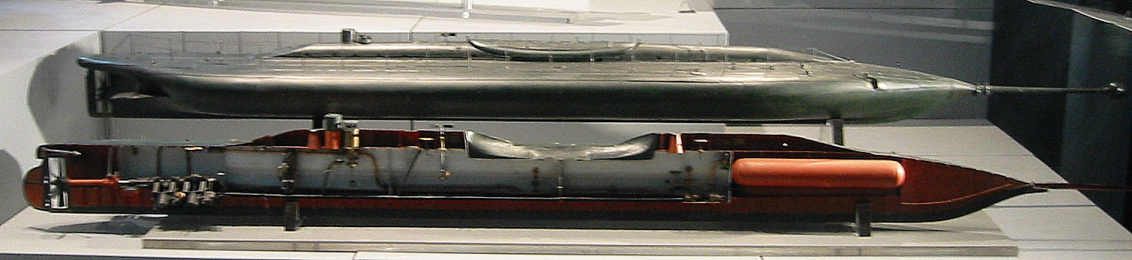
Verne describes the Nautilus as an advanced, electrically powered submarine equipped for long voyages, scientific observation and self‑sufficiency. While the precise devices are fictional or idealized, the book anticipated many later developments in undersea travel, diving apparatus and marine research. Much of the novel alternates between vivid accounts of marine life, coral and wrecks, and technical passages about the ship’s capabilities.
Themes, style and significance
The novel blends adventure, scientific curiosity and social critique. It explores themes such as the tensions between scientific progress and ethical responsibility, the limits of empire and the human drive to explore. Captain Nemo’s character introduces ambiguity: he is both a benefactor of knowledge and a rebel against the political order, a tension amplified in Verne’s later works.
Publication, reception and related works
Originally serialized in periodicals and published as a complete volume in the 1870s, the book became one of Verne’s best‑known works and a cornerstone of the Voyages extraordinaires series. Verne later connected the novel to other stories in his fictional universe; for example, further information about Nemo appears in other Verne titles. Critical reception has highlighted the novel’s pioneering role in scientific romance and popular adventure literature.
Adaptations and legacy
The story has been adapted repeatedly for stage, film, radio and television. Notable film adaptations and dramatic versions have popularized Verne’s imagery of the Nautilus and submarine exploration for successive generations. The novel remains widely read and studied as an early exploration of technology’s promise and peril, and as a richly imagined maritime adventure that helped define modern science fiction.
For more information on editions, commentary and adaptations see resources linked to the original French title and author pages: original French title, author overview, narrative and characters, the Nautilus, Captain Nemo and related works.
Related articles
Author
AlegsaOnline.com Twenty Thousand Leagues Under the Sea Leandro Alegsa
URL: https://en.alegsaonline.com/art/102239
Sources
- jv.gilead.org.il : "The Complete Jules Verne Bibliography: I. Voyages Extraordinaires"
- commons.wikimedia.org : Twenty Thousand Leagues Under the Sea