
Julia Ward Howe: American poet, abolitionist and women's rights leader
Julia Ward Howe (1819–1910) was an influential American writer and reformer best known for composing 'The Battle Hymn of the Republic' and for her long career in abolition, suffrage and pacifist causes.
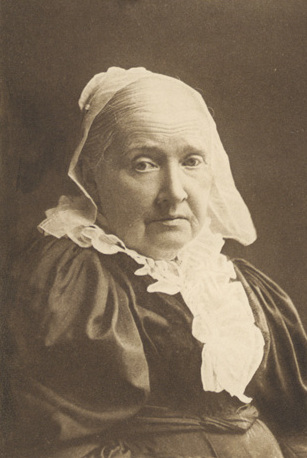
Julia Ward Howe (1819–1910) was an American writer, social reformer and public leader whose work spanned poetry, political activism and humanitarian causes. She is best remembered for writing the lyrics to "The Battle Hymn of the Republic," which became widely associated with the Union cause during the American Civil War. Throughout her life Howe combined literary activity with organized efforts on behalf of abolition, women's rights and international peace.
Image gallery
8 Images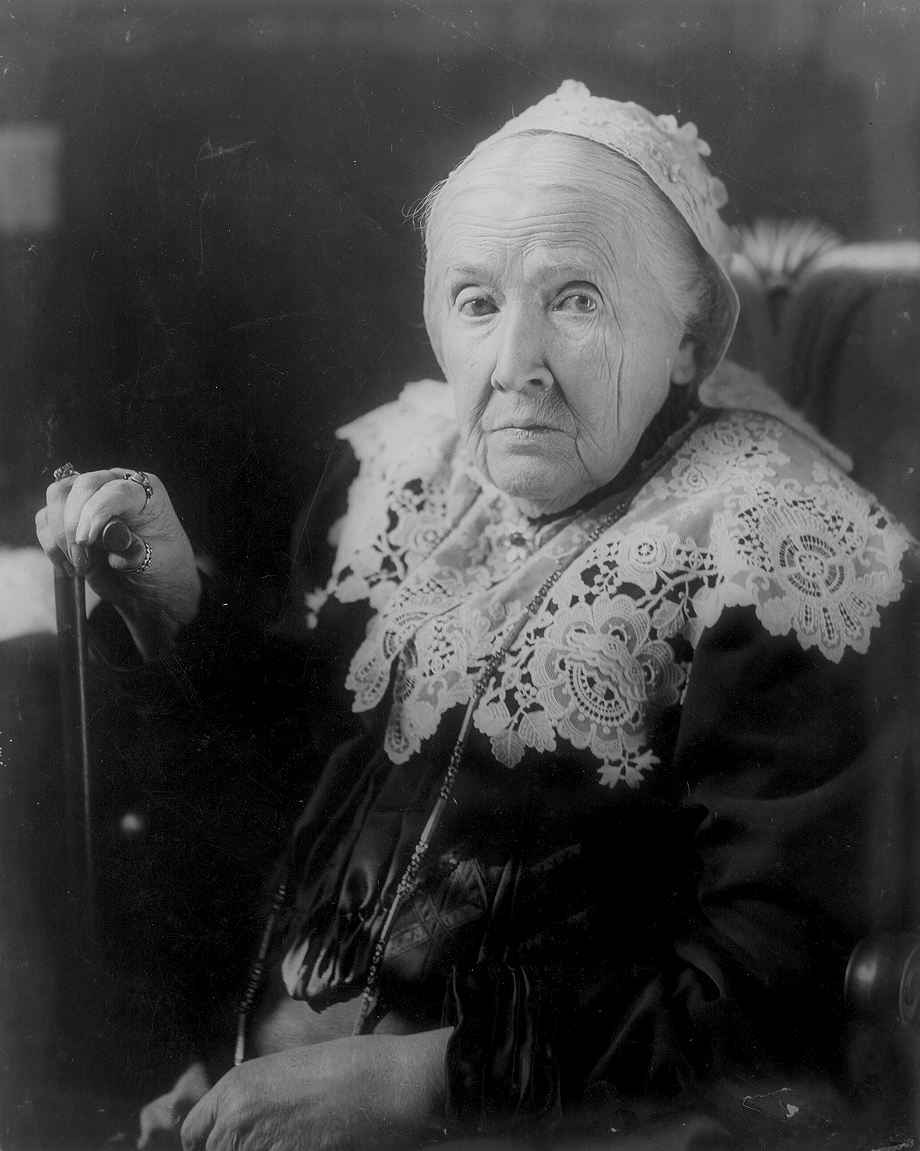


Life and background
Howe was born in New York and spent much of her life connected to intellectual and reform circles. She married Samuel Gridley Howe, a noted educator and reformer, and their household was a frequent meeting place for activists and thinkers of the era. Her education and social position gave her access to networks that helped shape both her literary output and her reform work. Later in life she lived in New England and continued to write and speak well into her eighties.
Writing and notable works
Howe wrote essays, plays and volumes of poetry. Her first book of poems, published anonymously in the 1850s, introduced themes of feeling, domestic life and moral reflection. The work that has had the most lasting public reach is the stirring lyric she wrote in 1861, commonly known as The Battle Hymn of the Republic, which she revised and published for a national audience. Beyond that song she produced collections of verse and prose that address moral questions, social reform and the condition of women.
- Passion-Flowers (early collection of poems)
- The Battle Hymn of the Republic (1861)
- Later essays and pamphlets on social reform
Her literary voice combined fervor and moral conviction; she used poetry and public addresses to mobilize opinion on matters of conscience and national purpose. Scholars and readers continue to study her verse for its rhetorical energy and historical resonance.
Activism: abolition, suffrage and peace
Howe was active in the anti-slavery movement and later devoted herself to campaigns for women's suffrage and legal reform. She held leadership roles in organizations that promoted voting rights and public education for women, and she corresponded with many of the major reformers of her day. After the Civil War Howe became a prominent advocate of pacifism: she proposed an annual observance to encourage mothers to work for peace and issued a famous proclamation urging women to resist war and militarism.
Her advocacy bridged causes: she saw abolition, gender equality and peace as interconnected struggles for moral progress. That broad commitment shaped the institutions she supported and the speeches and pamphlets she published over many decades.
Legacy and significance
Howe's combination of literary talent and public engagement made her an influential figure in 19th-century American culture. "The Battle Hymn" remains part of the country's musical and ceremonial repertoire, while her writings and organizational work helped sustain the movements that expanded civil rights and opportunities for women. She died in Rhode Island at the age of ninety-one, leaving a body of verse and a record of civic leadership that continue to be examined by historians, literary scholars and activists.
Further reading and archival materials can be found in biographies and collections of her letters and poems; for an introduction to her life and selected writings see biographical summaries, collections of poems and curated document archives. For thematic studies of her reform work consult resources on abolition, women's suffrage and pacifist movements. Additional bibliographies and digital exhibits are available through specialized libraries and historical projects (research guides, manuscript collections, scholarly articles).
Related articles
Author
AlegsaOnline.com Julia Ward Howe: American poet, abolitionist and women's rights leader Leandro Alegsa
URL: https://en.alegsaonline.com/art/51488