
1865: End of the American Civil War and pivotal global advances
A pivotal year marked by the end of the U.S. Civil War, Abraham Lincoln's assassination, the 13th Amendment's ratification, and notable scientific and communications milestones worldwide.
Overview
The year 1865 is widely remembered for bringing the American Civil War to a close and for events that reshaped politics, society and technology. Military surrenders and political transitions in the United States coincided with international developments in communications, physics, genetics and literature. Together these changes marked both endings and beginnings that influenced the late 19th century.
Image gallery
10 Images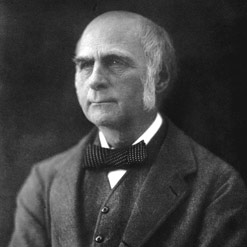
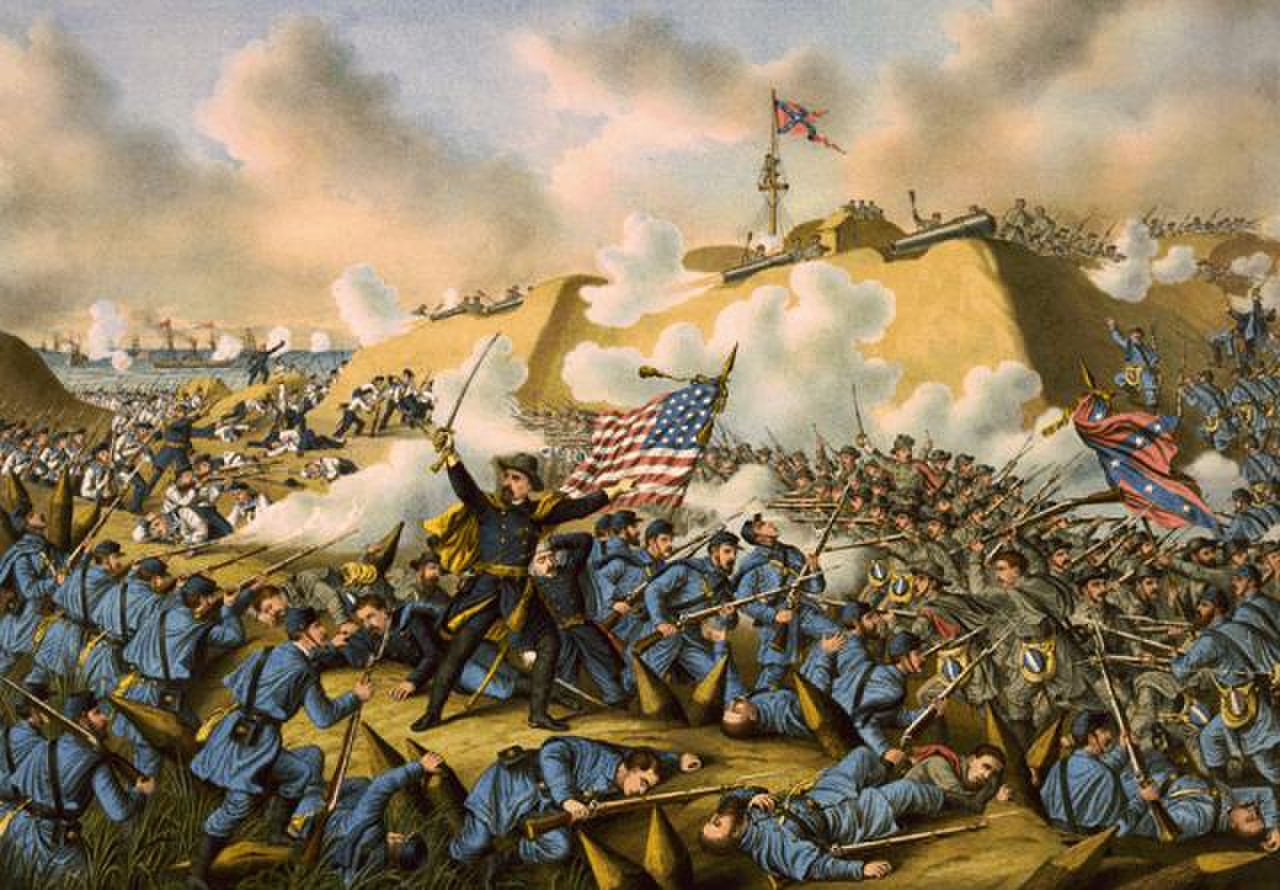


United States: surrender, assassination and legal change
In the spring of 1865 major Confederate field armies surrendered, most symbolically at Appomattox Court House where General Robert E. Lee yielded to General Ulysses S. Grant. Union forces secured Richmond and other Confederate strongholds, effectively ending large-scale combat. On March 4 President Abraham Lincoln delivered his second inaugural address; on April 14 he was shot by John Wilkes Booth at Ford's Theatre and died on April 15. Vice President Andrew Johnson became president and faced the immediate challenge of postwar reconstruction.
Reconstruction, emancipation and immediate aftermath
As warfare ceased, federal institutions and legislation began to address emancipation and integration of formerly enslaved people. The Freedmen's Bureau was created to assist refugees and freed persons with food, education and legal matters. The Thirteenth Amendment, which abolished slavery throughout the United States (with a narrow exception for punishment for crime), was ratified late in 1865, legally ending chattel slavery. In many Southern states new laws and practices, later called Black Codes, sought to restrict the rights and mobility of African Americans, shaping the contested politics of Reconstruction.
Science, communications and culture worldwide
Beyond North America, 1865 featured key developments in science and international cooperation. The International Telegraph Union was founded to coordinate cross-border telegraphy, an early step toward regulated global communications. In physics James Clerk Maxwell published work that consolidated electromagnetic theory, laying groundwork for later advances in electricity and optics. In genetics, Gregor Mendel presented his pea-breeding results to a local scientific society in 1865; their significance would be recognized decades later. In literature Lewis Carroll's Alice's Adventures in Wonderland, published in 1865, began to influence children’s literature and popular culture.
Legacy
- Military surrenders in 1865 ended the main fighting of the American Civil War and prompted the process of Reconstruction.
- Lincoln's assassination altered the course of reconstruction policy at a critical moment.
- The Thirteenth Amendment legally abolished slavery in the United States, while social and legal struggles over rights and citizenship continued.
- Foundations laid in communications and physics in 1865 fostered technological and scientific advances that shaped the modern era.
Related articles
Author
AlegsaOnline.com 1865: End of the American Civil War and pivotal global advances Leandro Alegsa
URL: https://en.alegsaonline.com/art/111829