
Julia Morgan — American architect and engineer
Julia Morgan (1872–1957) was a pioneering American architect and engineer who designed more than 700 buildings, including Hearst Castle, and became a formative figure in early 20th‑century California architecture.
Julia Morgan (January 26, 1872 – February 2, 1957) was an American architect and engineer whose career spanned the late 19th and first half of the 20th century. She is best known for a large body of public and private work in California that blends technical innovation with sensitivity to materials and site. Over her long career she designed more than 700 buildings in a variety of styles.
Image gallery
10 Images


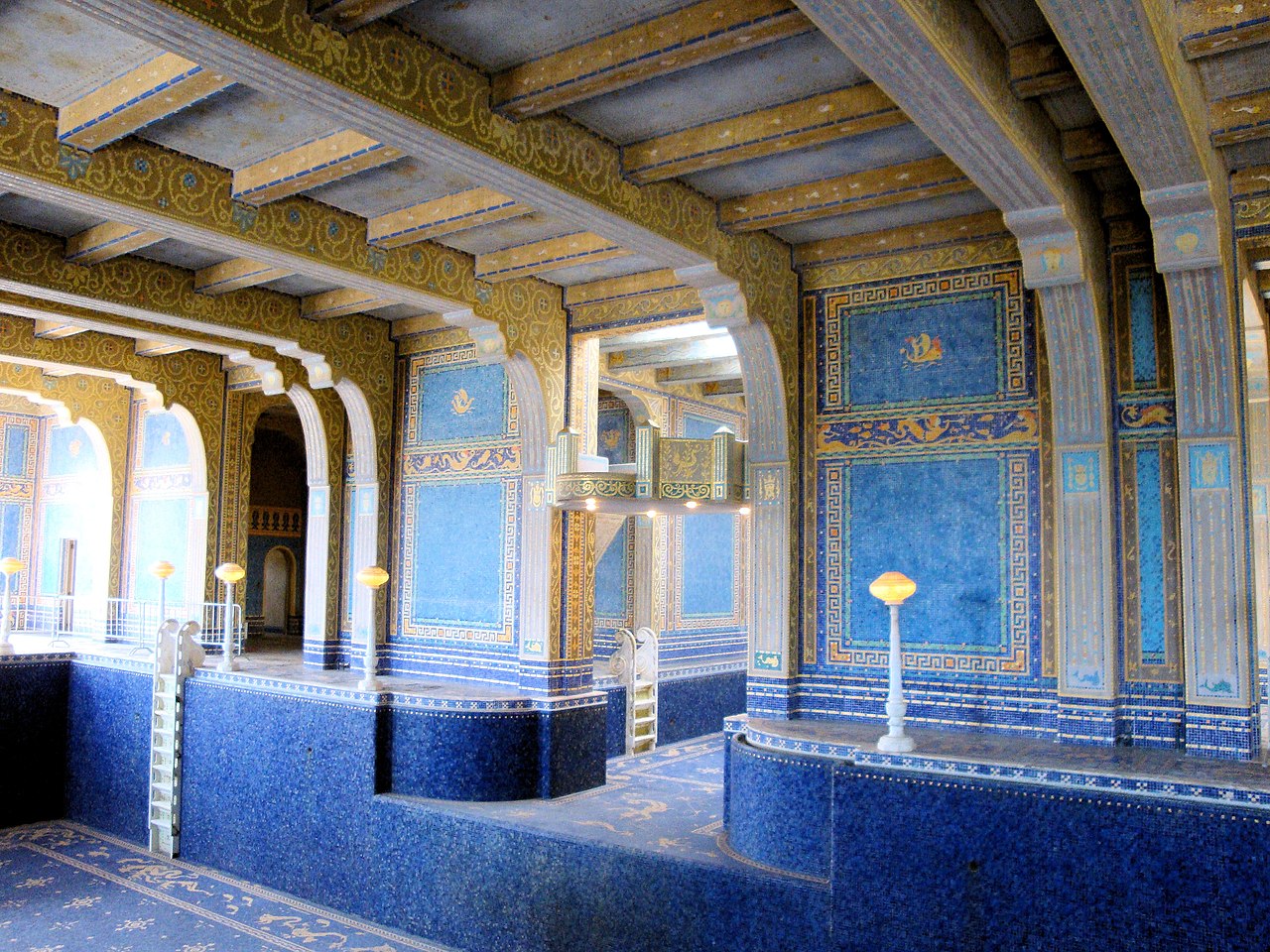


Education and early career
Born in California, Morgan studied civil engineering at the University of California, Berkeley, and later continued her architectural education in Paris at the École des Beaux‑Arts, where she was one of the first women admitted. She returned to the United States with both formal design training and a strong grounding in structural principles that informed her practice.
Architectural approach and notable works
Combining Beaux‑Arts composition with Arts and Crafts values and attention to local materials, Morgan is widely admired for careful detailing, durable construction and an emphasis on craftsmanship. She became nationally prominent through her long collaboration with publisher William Randolph Hearst; their work together produced the complex at San Simeon often called Hearst Castle. Morgan also designed schools, YWCAs, churches, hospitals and private residences.
- Technical methods: early and effective use of reinforced concrete, attention to seismic safety and long‑lasting finishes.
- Major projects: Hearst Castle (San Simeon), numerous Bay Area homes and institutional buildings, and civic and social service buildings.
- Range: more than 700 commissions across residential, institutional and civic categories.
As a woman working in a male‑dominated profession she broke many barriers: she was among the first women to attend the École des Beaux‑Arts and later became one of California's earliest licensed female architects. Her work has received renewed scholarly and public attention for its technical skill, aesthetic restraint and cultural significance; in the 21st century she was honored posthumously with major professional recognition.
Morgan's buildings remain subjects of preservation and study for their combination of structural integrity, refined detailing and adaptability to landscape. For further information about her life and projects consult biographical and architectural sources or follow institutional references such as those held by historical societies and architecture archives.
See also: Julia Morgan resources.
Questions and answers
Q: Who was Julia Morgan?
A: Julia Morgan was an American architect and engineer.
Q: When was Julia Morgan born?
A: Julia Morgan was born on January 26, 1872.
Q: When did Julia Morgan die?
A: Julia Morgan died on February 2, 1957.
Q: What were Julia Morgan's professions?
A: Julia Morgan was both an architect and an engineer.
Q: Can you give some information about Julia Morgan's life?
A: Julia Morgan was a trailblazing female architect at a time when women were not encouraged to enter the field. She was the first woman to study architecture at the École des Beaux-Arts in Paris.
Q: What is Julia Morgan known for?
A: Julia Morgan is known for her contributions to the design of buildings such as the Hearst Castle in California and many other buildings throughout the United States.
Q: Why is Julia Morgan important in the history of architecture?
A: Julia Morgan is important in the history of architecture because she was a pioneering woman in a male-dominated field and helped make it easier for future generations of women to succeed in architecture.
Related articles
Author
AlegsaOnline.com Julia Morgan — American architect and engineer Leandro Alegsa
URL: https://en.alegsaonline.com/art/51485
Sources
- go.gale.com : "Julia Morgan"